
Energy Markets
Federal Financing Moves Nuclear Growth Back Inside the Fence
The clean-power buildout is learning a prosaic lesson: the fastest new nuclear megawatt may be the one squeezed from an old site.
MRMktInvest Research·
Long-form deep-dives on commodities and equity sectors — grounded in the day's news, written by the MktInvest desk.
The clean-power buildout is learning a prosaic lesson: the fastest new nuclear megawatt may be the one squeezed from an old site.
The new awards treat chips, minerals and power hardware as parts of the same industrial-security problem.
The energy transition’s next bottleneck is less a geological mystery than an institutional one.
The military is turning small nuclear from a policy slogan into a procurement problem, and that is where the commercial market will learn what is real.
The nuclear buildout story is moving from policy speeches to shop floors, and the hard part is no longer only the reactor.
The rare earths problem is no longer a mining story alone. It is a test of whether security rules, capital and factory know-how can move at the same speed.
[Uranium](/uranium) is a fuel-cycle market before it is a commodity market, and its price reflects security of supply as much as ore in the ground.
The fuel-cycle question is moving from policy language into factory execution.
[Silver](/silver) is a hybrid claim: part monetary metal, part industrial input, and part financing problem.
The new space nuclear push is less about a single mission than about who controls the power systems that make distant operations possible.
Oil is a claim on physical energy at a place and a time, priced through a chain of cargoes, benchmarks, storage, finance and fear.
Copper is priced like an industrial input, financed like a macro asset, and disrupted like a mine-by-mine operating business.
[Banks & Financials](/banks-financials) stocks are equity claims on leveraged balance sheets, so their market turns on rates, credit, capital and confidence rather than on a simple commodity cycle.
Rare earths are priced less like a single commodity than like a set of bottlenecks, where chemistry, processing routes and policy tolerance decide what a tonne is really worth.
[LNG](/lng) is a market in movable gas, but the real claim is on liquefaction, shipping, regasification and contract discipline.
A [Lithium](/lithium) position is a claim on chemistry, conversion capacity, offtake discipline and financing risk as much as on battery demand.
[Defence & Aerospace](/defence-aerospace) stocks are claims on long-cycle industrial capacity, public budgets, regulated supply chains and scarce inputs, rather than simple wagers on battlefield demand.
Corporate power buying is moving from green branding into grid engineering, and nuclear operators now have a new kind of customer.
[Cybersecurity](/cybersecurity) stocks are claims on vendors that sell protection against a threat economy whose methods keep changing, while equity pricing still answers to ordinary growth, margins and discount rates.
The deal reads less like a power-plant order than a test of whether allied industrial policy can still build heavy infrastructure at political speed.
The market prices regulated assets, contracted power, fuel exposure and political tolerance for the bills needed to keep electricity flowing.
The market treats [Space](/space) less like a single industry than a chain of long-duration contracts, launch schedules, specialised hardware and policy-backed demand.
[Shipping](/shipping) is a claim on scarce carrying capacity, and the equity market prices that capacity with brutal attention to routes, vessels, contracts and balance-sheet timing.
The proposed IPO is less a mining windfall than a test of whether nuclear policy can become a repeatable industrial program.
[Gold](/gold) is priced like a monetary asset, traded like a commodity and held like insurance against policy error.
The fight over critical minerals is becoming a contest over industrial patience, public capital and who controls the steps between rock and finished hardware.
[Natural Gas](/gas) is a market in molecules, transport, storage and timing, which is why its price often behaves less like a global commodity and more like a local balance sheet.
The next nuclear fuel contest is less about reactor dreams than about licensing, fabrication and the hard arithmetic of industrial capacity.
A power contract can now look less like procurement and more like industrial finance.
The market treats [AI Infrastructure](/ai) less like a clean technology theme than a capital cycle with a power bill attached.
The issue is no longer whether Gulf cargoes can move. It is whether buyers can keep treating a narrow waterway as firm energy infrastructure.
The plant is moving from construction story to operating question, and the political contract may matter as much as the reactor.
An exploration of the structural drivers influencing cloud and software sector valuations, key players in the market, and essential risks.
Small reactors are being sold as an industrial answer to an energy problem, and the hardest part may be making the model repeatable.
Tokenisation is moving from laboratory language into institutional plumbing, and Europe is trying to decide who supplies the safest money inside that plumbing.
The [Shipping](/shipping) shock is no longer just a freight story; it is a test of how much geopolitical risk the trading system can absorb before ordinary delivery becomes a strategic constraint.
Explore the structural dynamics behind semiconductors stocks, including key drivers, demand centers, and the ways investors access this sector.
The fuel contract is less about one reactor than about whether a strategic nuclear supply chain can become an industrial habit.
An in-depth examination of how the renewable energy market operates, its key players, pricing mechanisms, structural drivers, and the ways investors can gain exposure.
An evergreen analysis of the mechanics, participants, and structures defining the global gold market.

The Pentagon's rare-earth magnet needs could consume nearly half of current non-Chinese production by 2030, testing Washington's aim to secure a self-reliant mineral supply chain amid China's dominance.
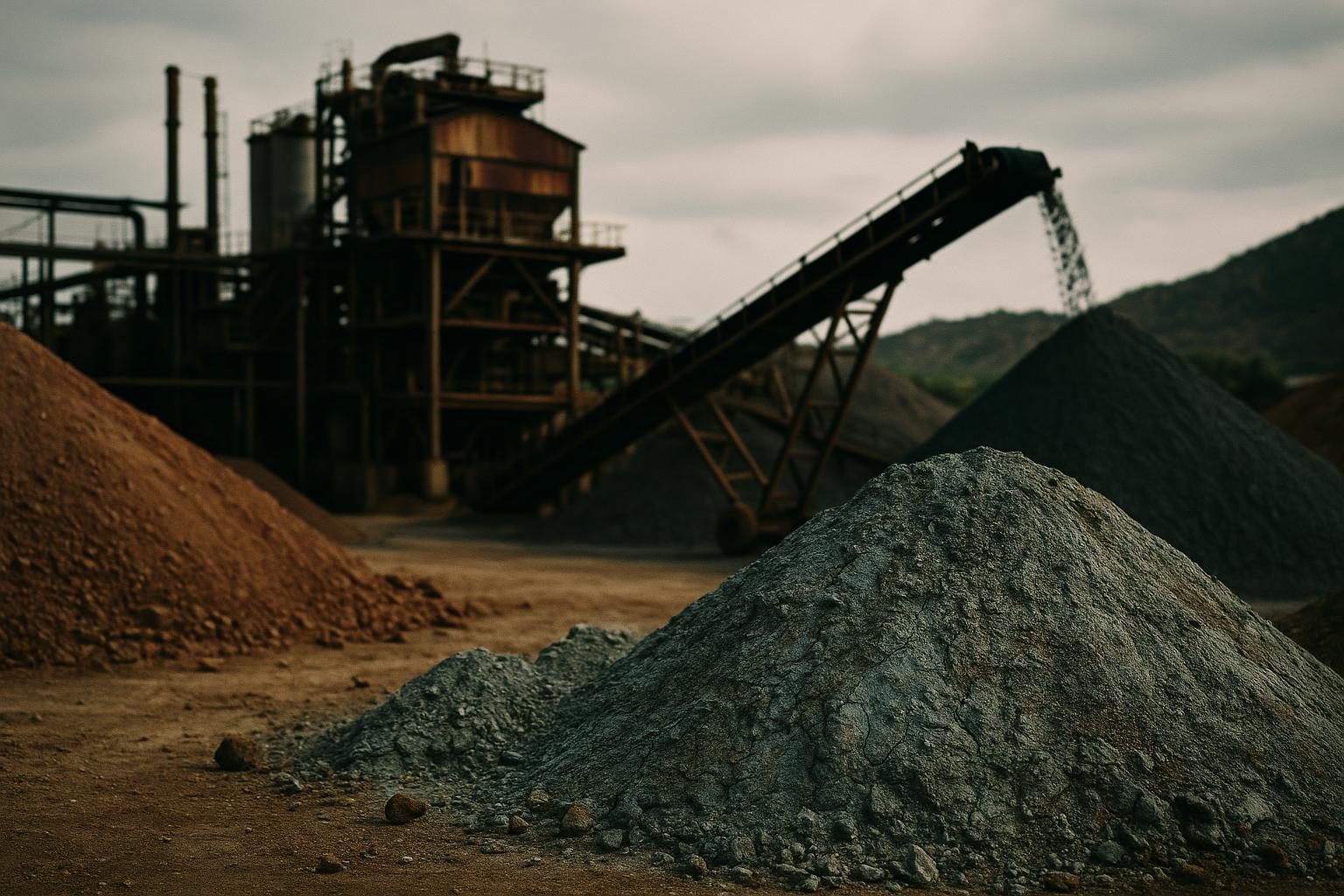
China's rare earth export freeze highlights the intricate geopolitical game centered on critical minerals.

How small modular reactors in New Brunswick could transform energy landscapes in remote regions.

As India seeks energy security, its burgeoning relationship with Uzbekistan underscores a strategic shift in regional alliances and resource dependencies.
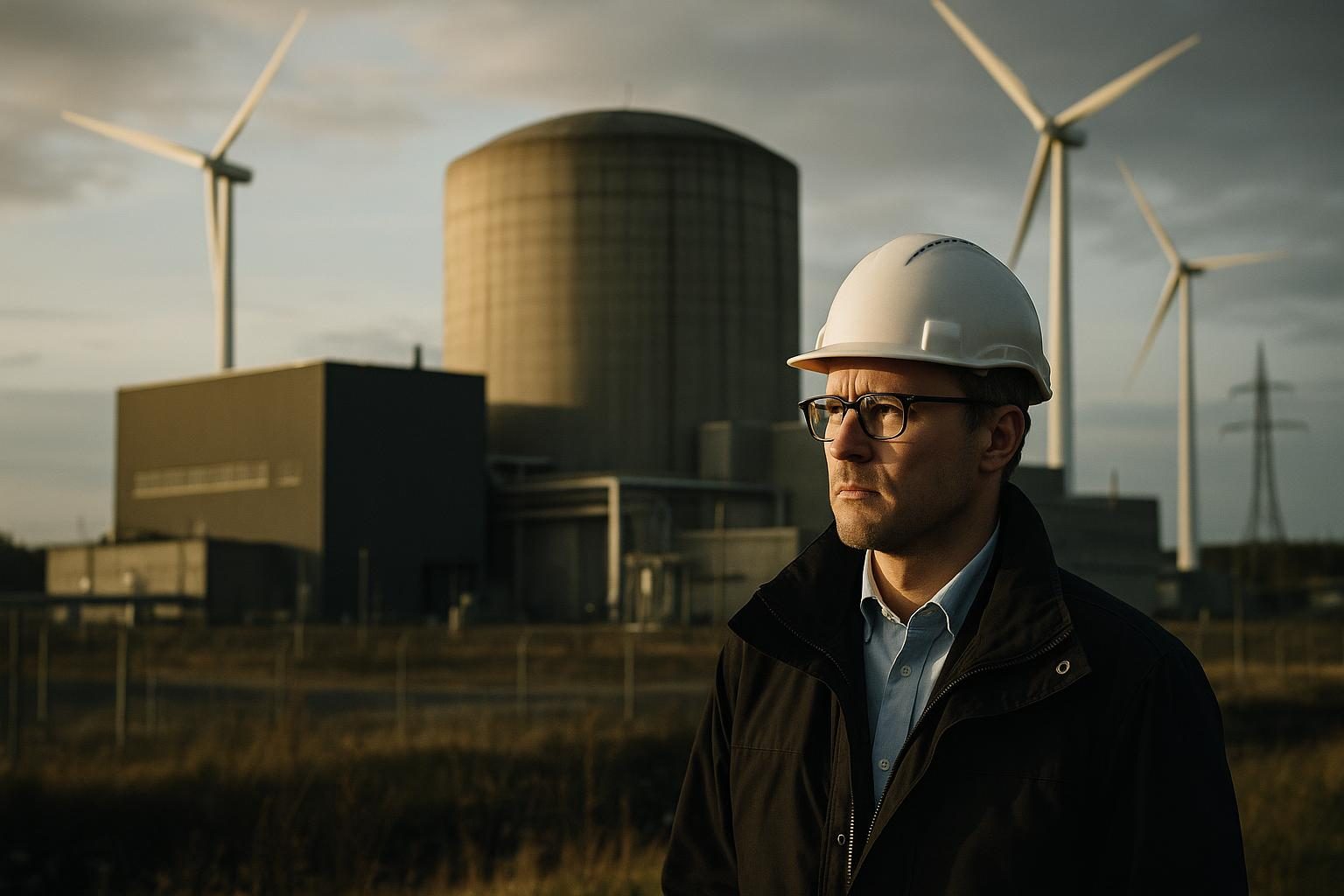
With a fresh application to create a second small modular reactor plant, Blykalla leverages Sweden's support framework, marking a strategic pivot in Europe's energy landscape.

NASA's latest launch signifies a breakthrough in understanding dark energy, dark matter, and the rich diversity of exoplanets.
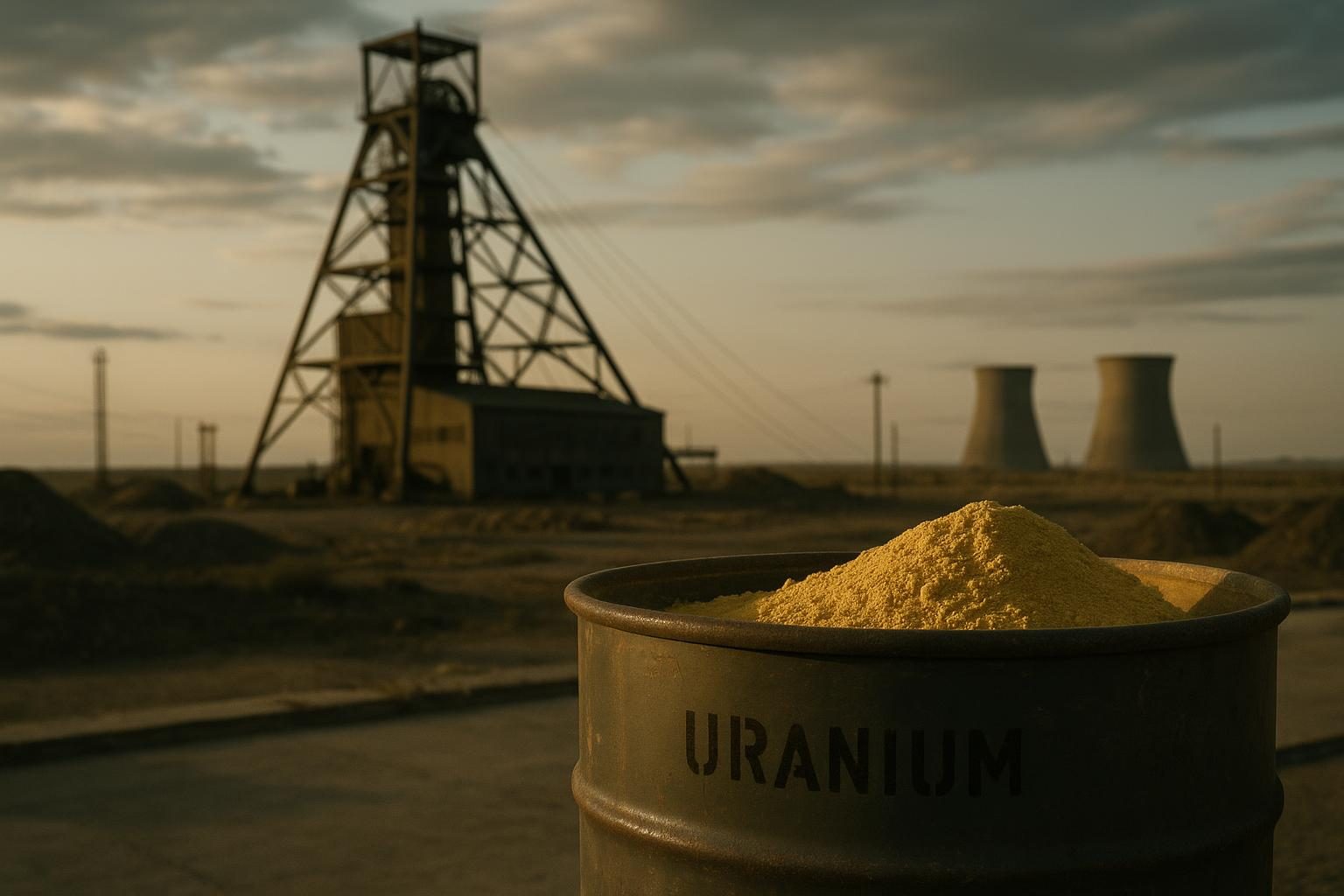
The new Balkhash nuclear plant signals a pivotal shift in Kazakhstan's energy strategy, reflecting broader geopolitical currents in Central Asia.

An ambitious leap towards nuclear-powered maritime trade could redefine the future of shipping and international regulations.
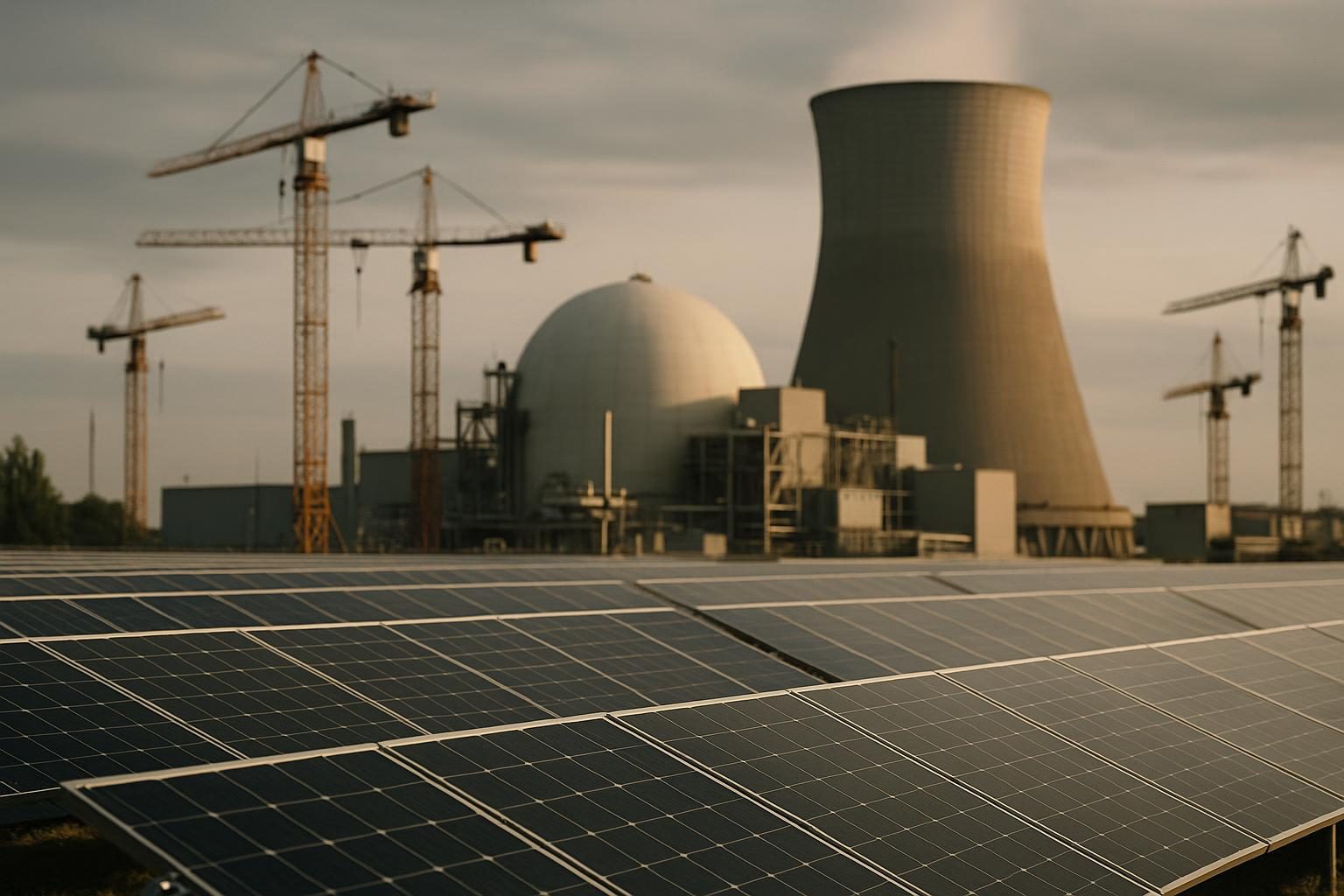
As fusion inches towards commercialization by the mid-2030s, its journey is far from pure science; it’s about forging a framework learned from decades of fission’s experiences.
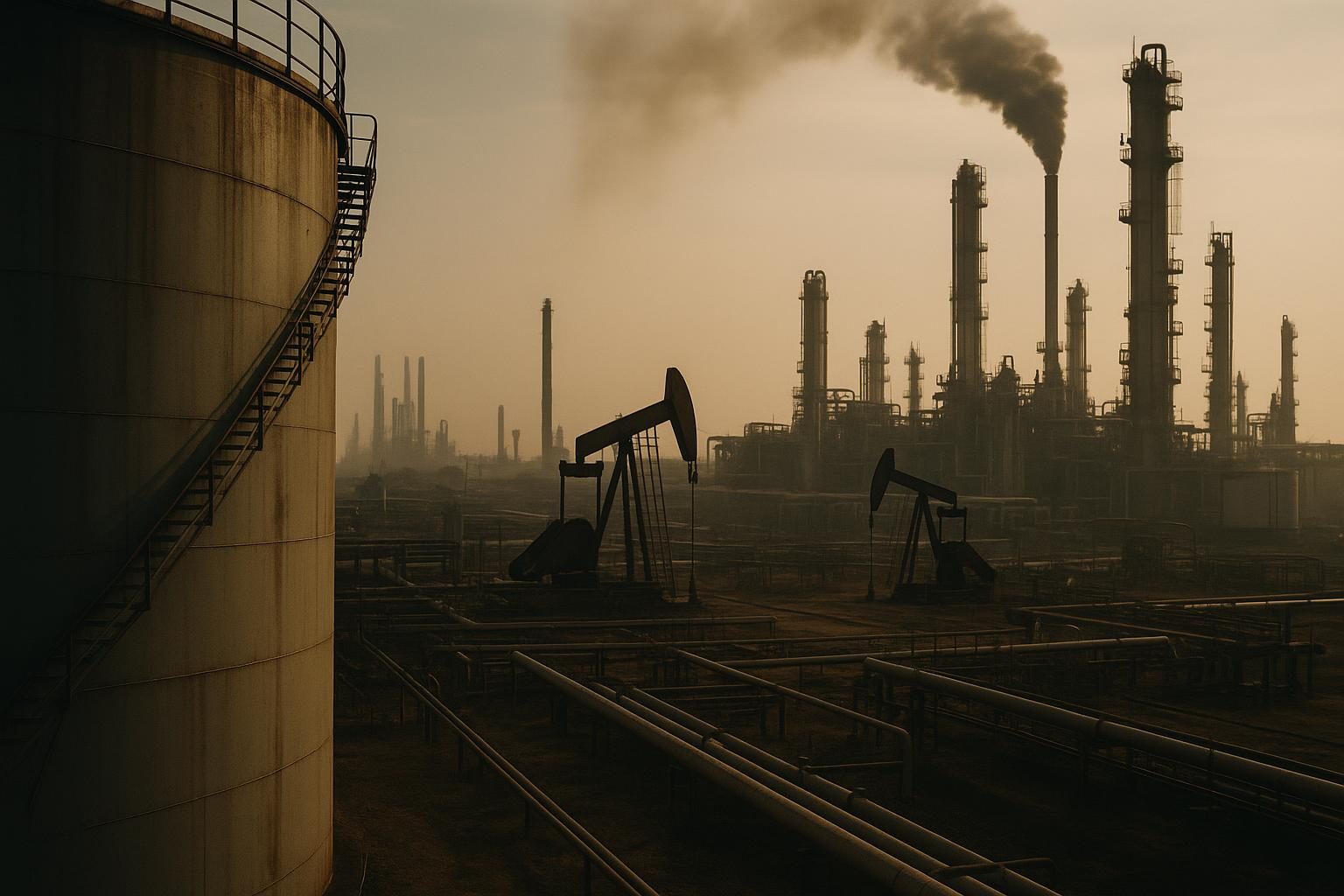
As Venezuela contemplates leaving OPEC, a profound geopolitical shift toward U.S. influence seems to be emerging.
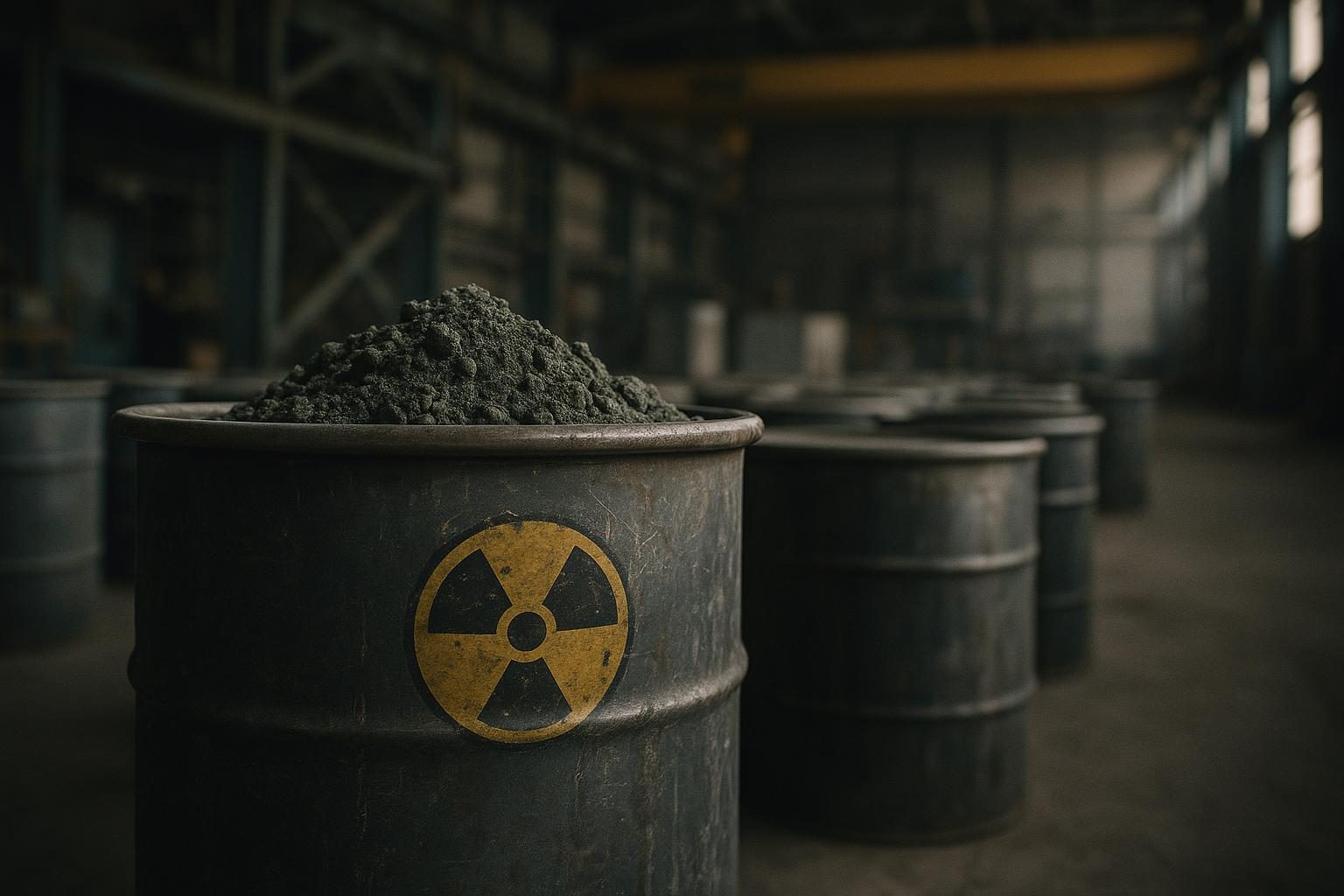
As global leaders commit to nuclear expansion, Kazakhstan's Kazatomprom heralds a shift that could redefine the energy landscape.
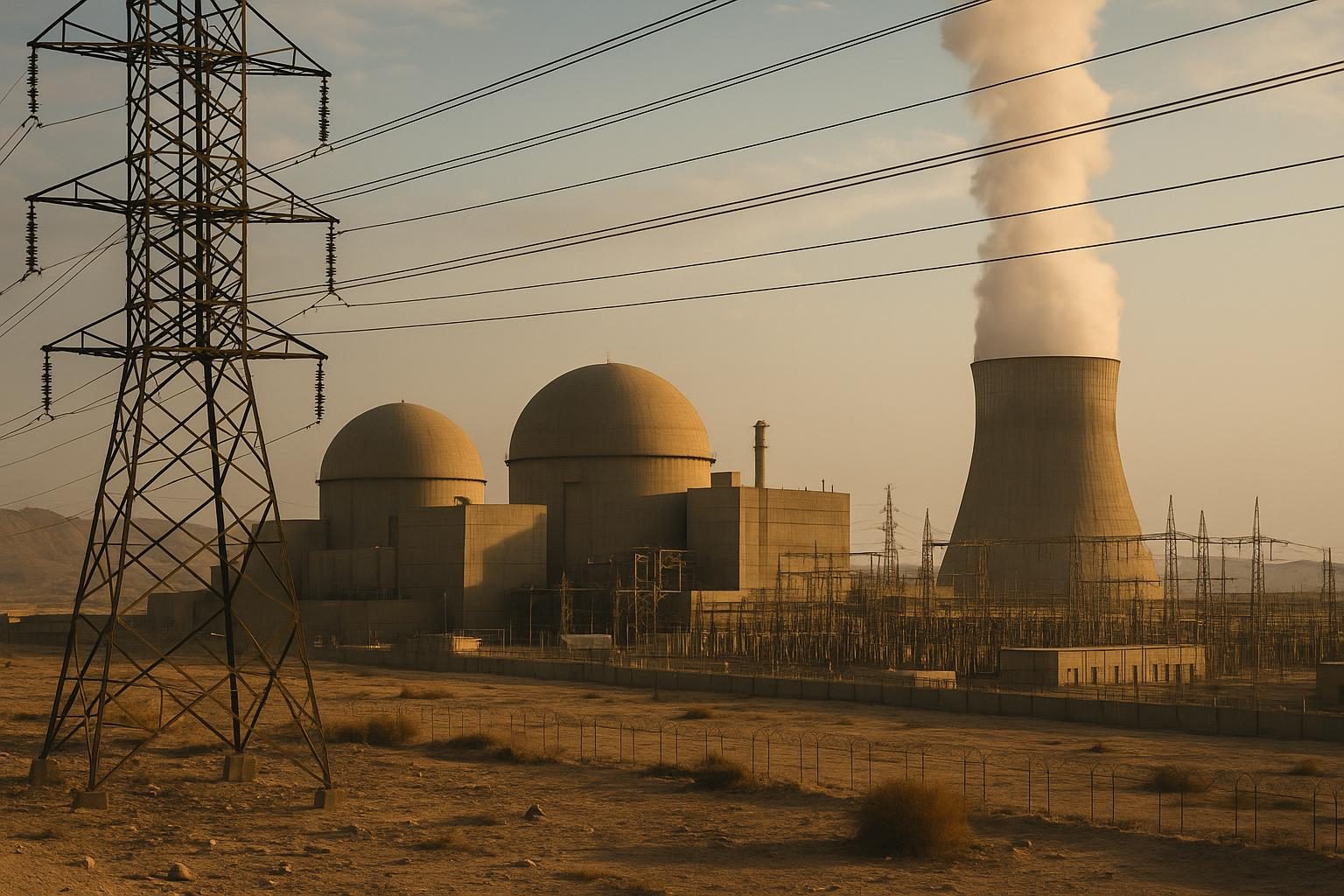
The El Dabaa Nuclear Power Plant is more than a construction project; it’s a bold statement of Egypt's future energy aspirations and regional clout.
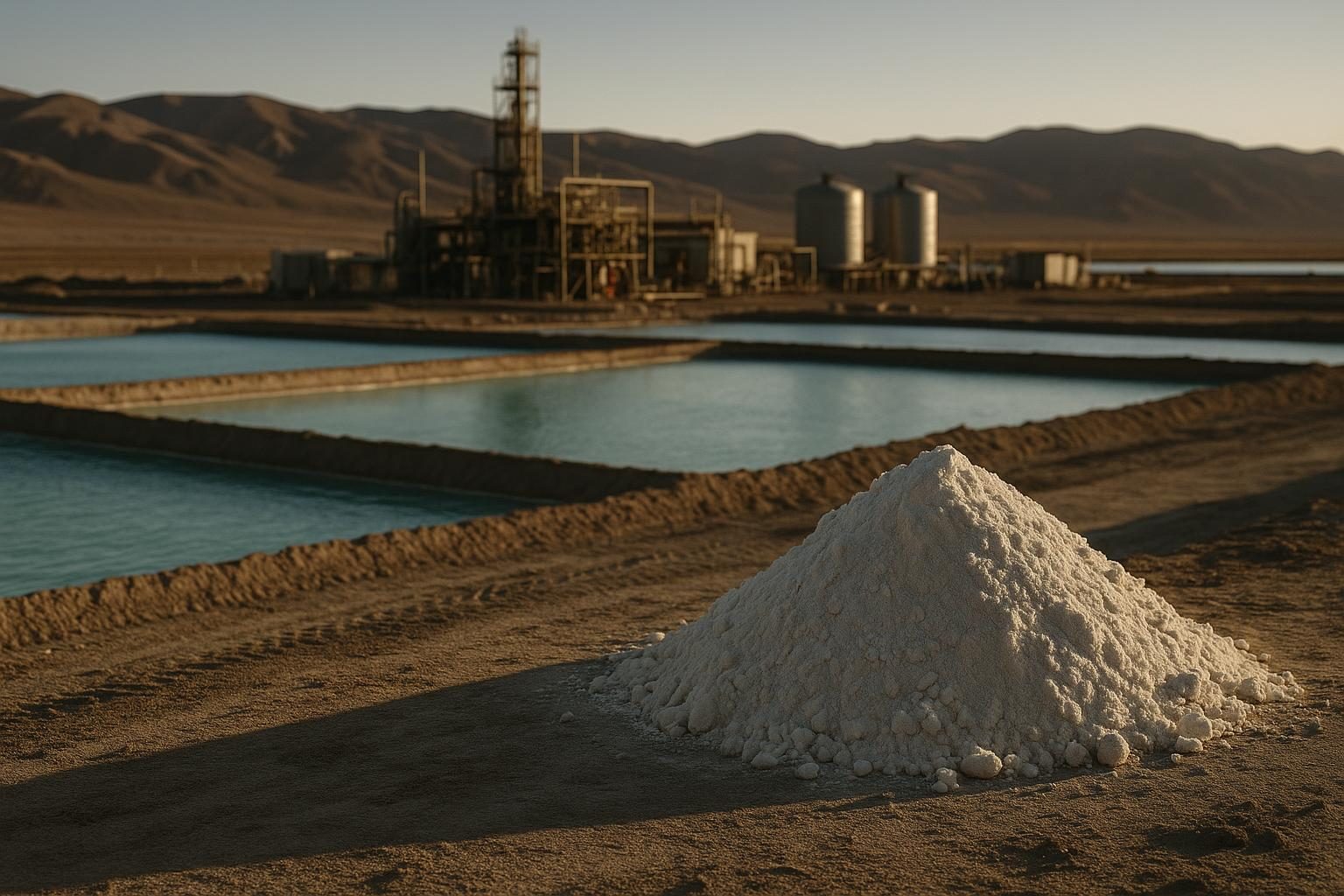
As IDB Invest pours $700 million into Argentina's lithium sector, the region positions itself as a cornerstone of the global battery supply chain.

Isabel Schnabel's call for on-chain central bank money points to a structural shift in monetary infrastructure.
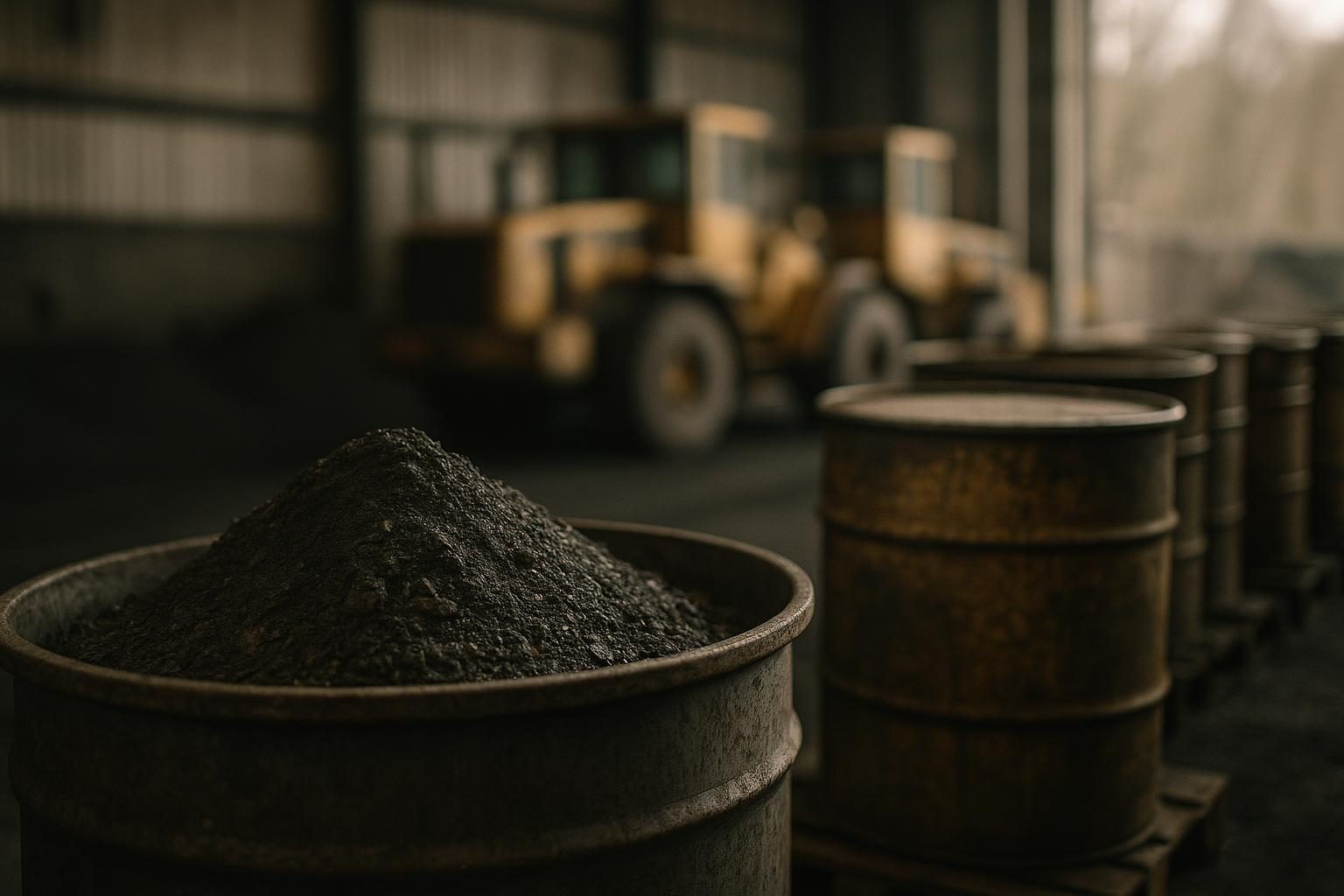
The U.S. Army’s Janus Program could redefine energy security and accelerate the development of microreactor technology.
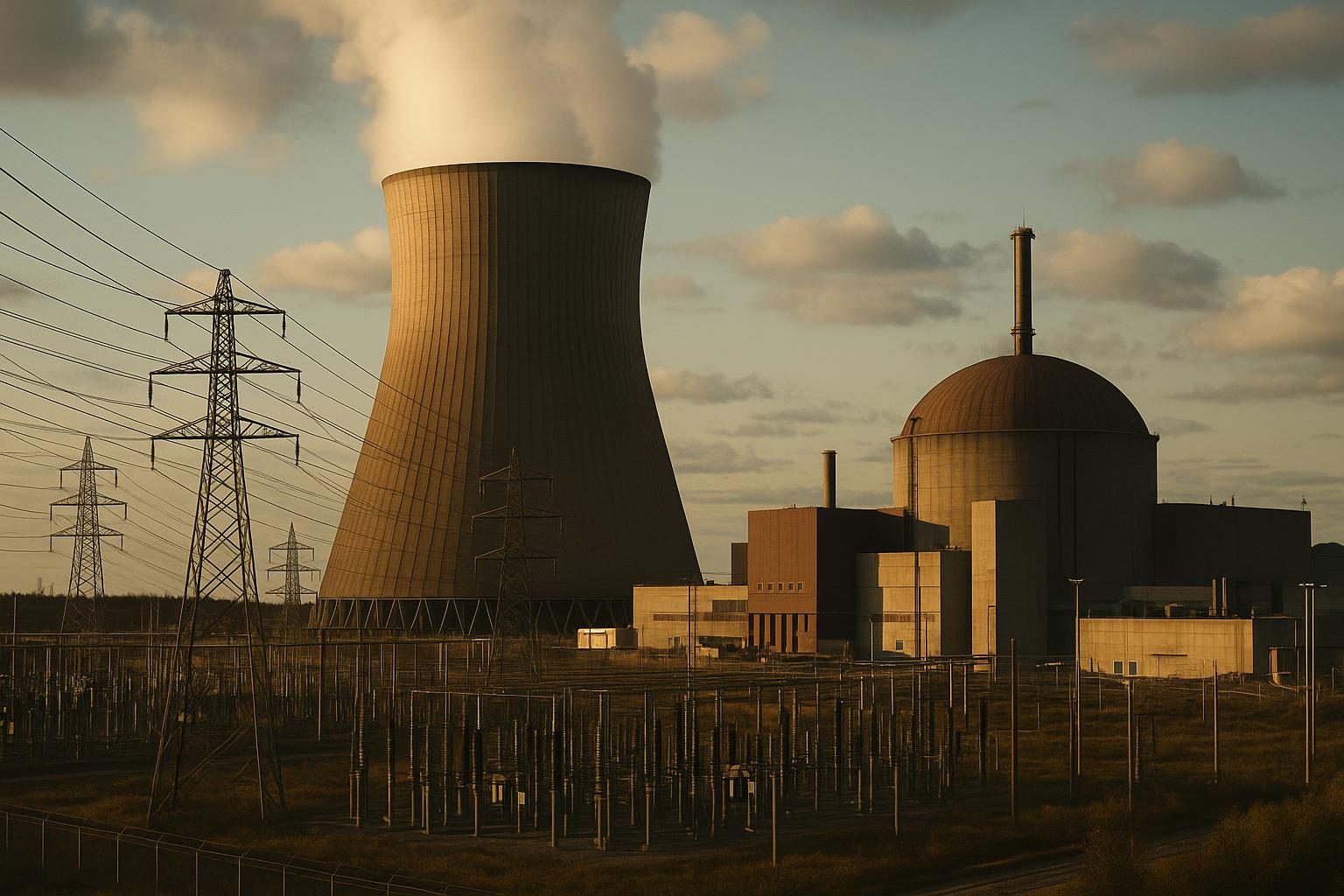
Fortum’s quest for state support in Sweden could mark a turning point for nuclear energy and reshape Nordic energy security.
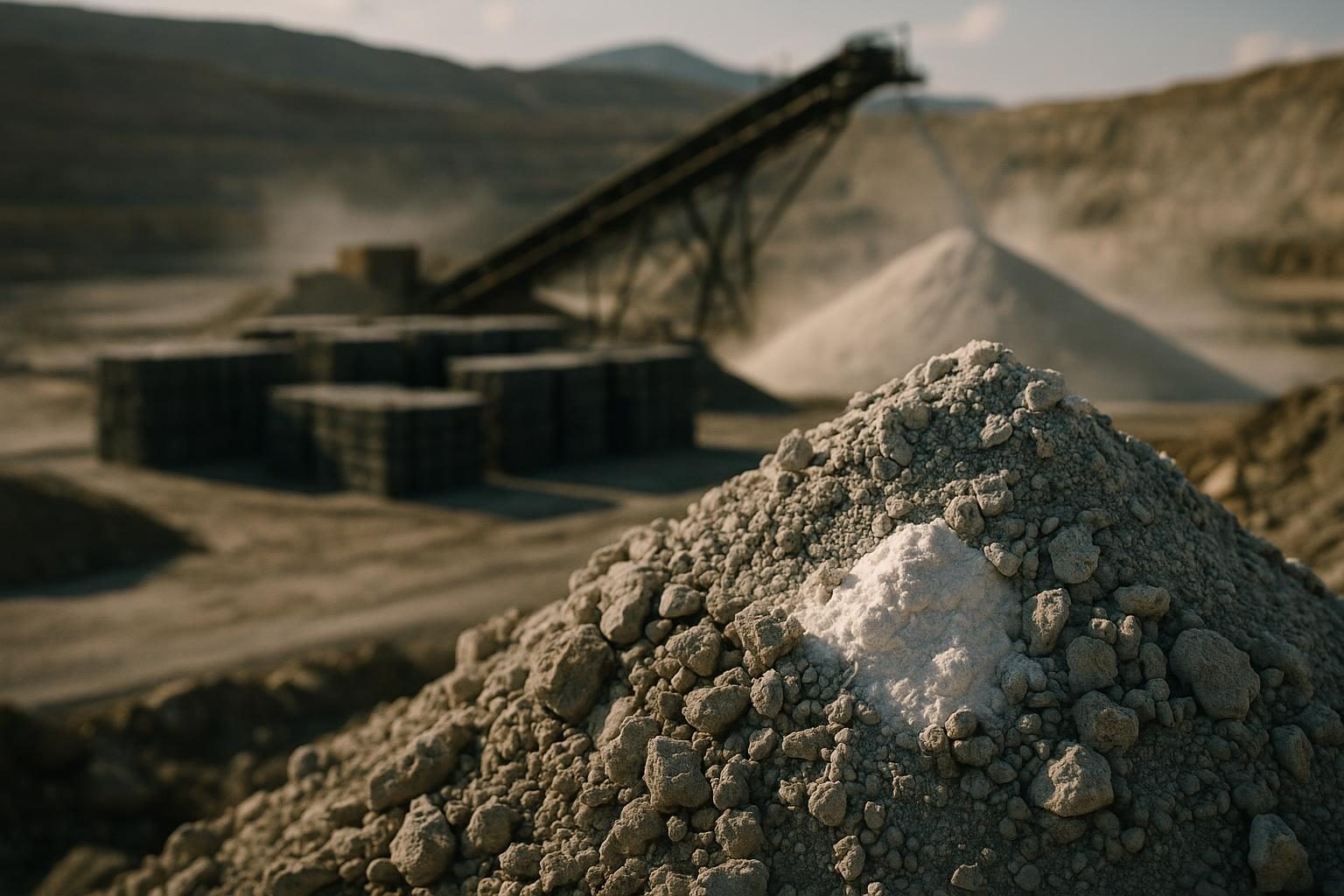
How a new refinery marks a turning point in America's quest for mineral independence and national security.
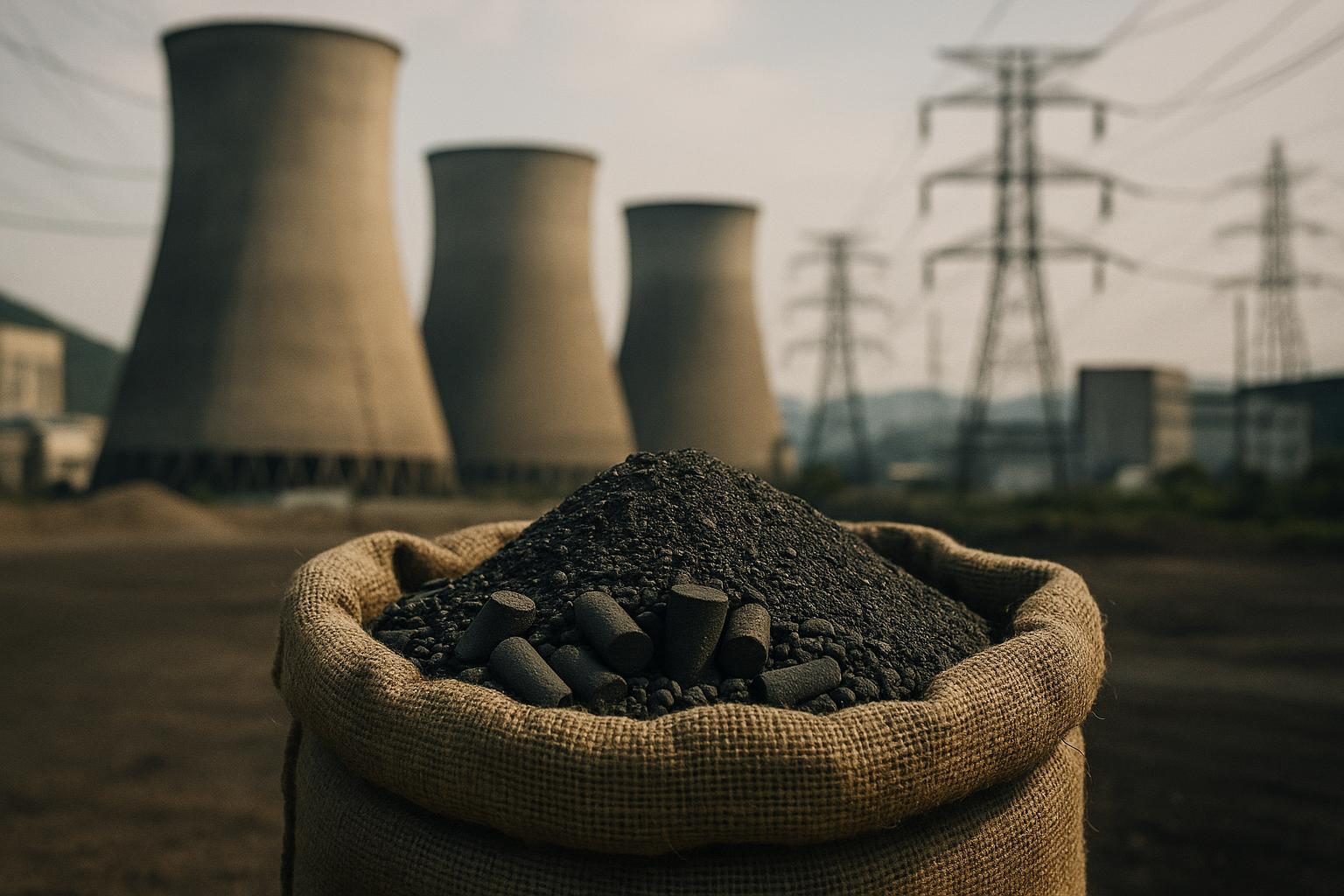
Doosan Enerbility's key role in TerraPower's groundbreaking nuclear project marks a pivotal shift in global energy dynamics.

Firefly Aerospace and Zeno Power Systems aim to conquer the frigid lunar night with innovative radioisotope heating.
Iraq aims to double its oil output, challenging OPEC's constraints and reshaping energy geopolitics.
Governor Shapiro's executive order redefines data center development, blending energy policy and community rights with a focus on transparency.
The U.S. invests heavily in Sunrise Energy Metals, signaling a strategic response to the geopolitics of rare earths.
The launch of Saskatchewan’s Rook I Project signals a structural shift in nuclear energy supply, amid growing demand and geopolitical tension.
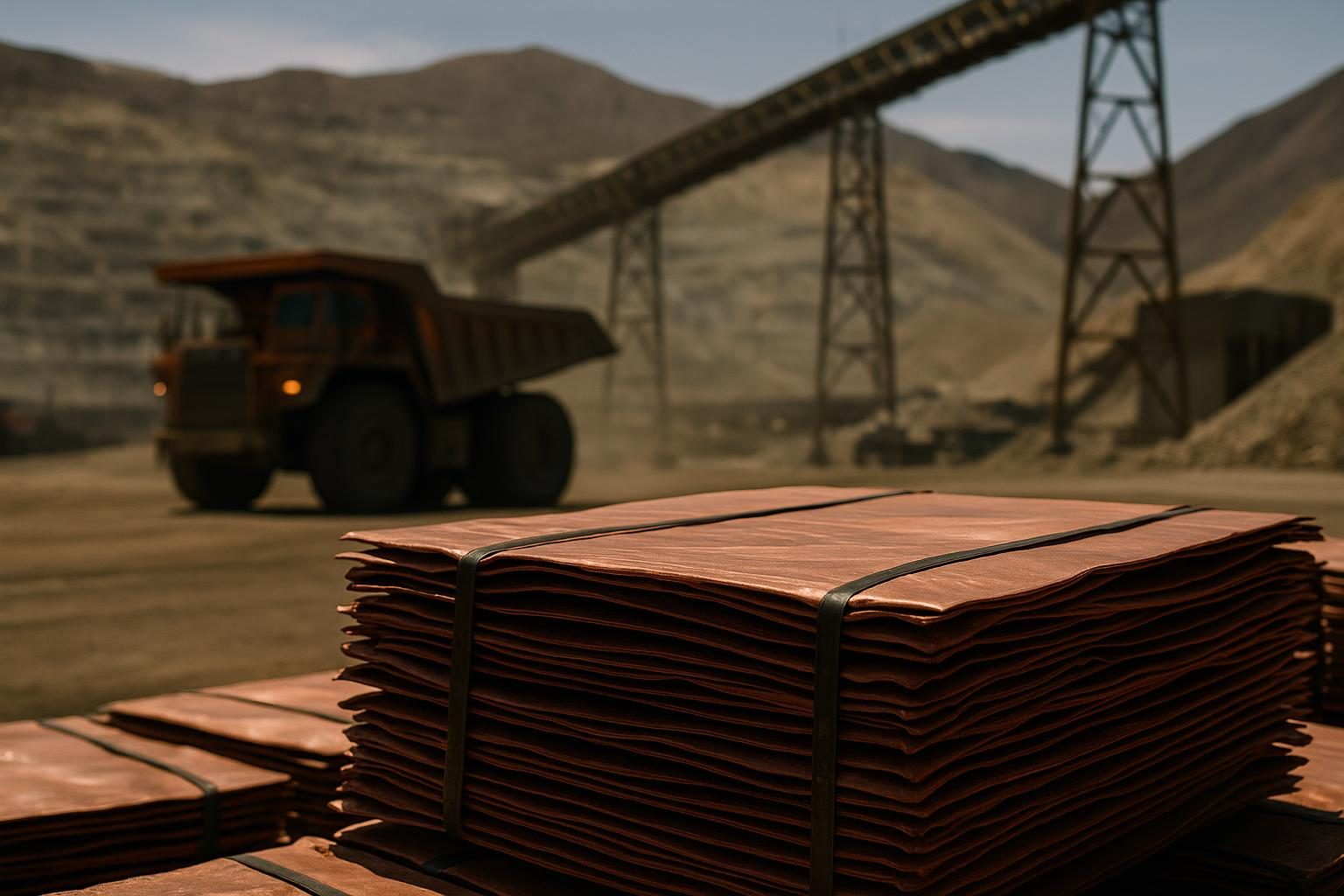
BHP's $10 billion investment in Chile's Escondida mine hinges on regulatory certainty, as global copper demand propels toward 2050 targets.

State and federal initiatives are transforming regional economies as the U.S. competes for biotech supremacy.
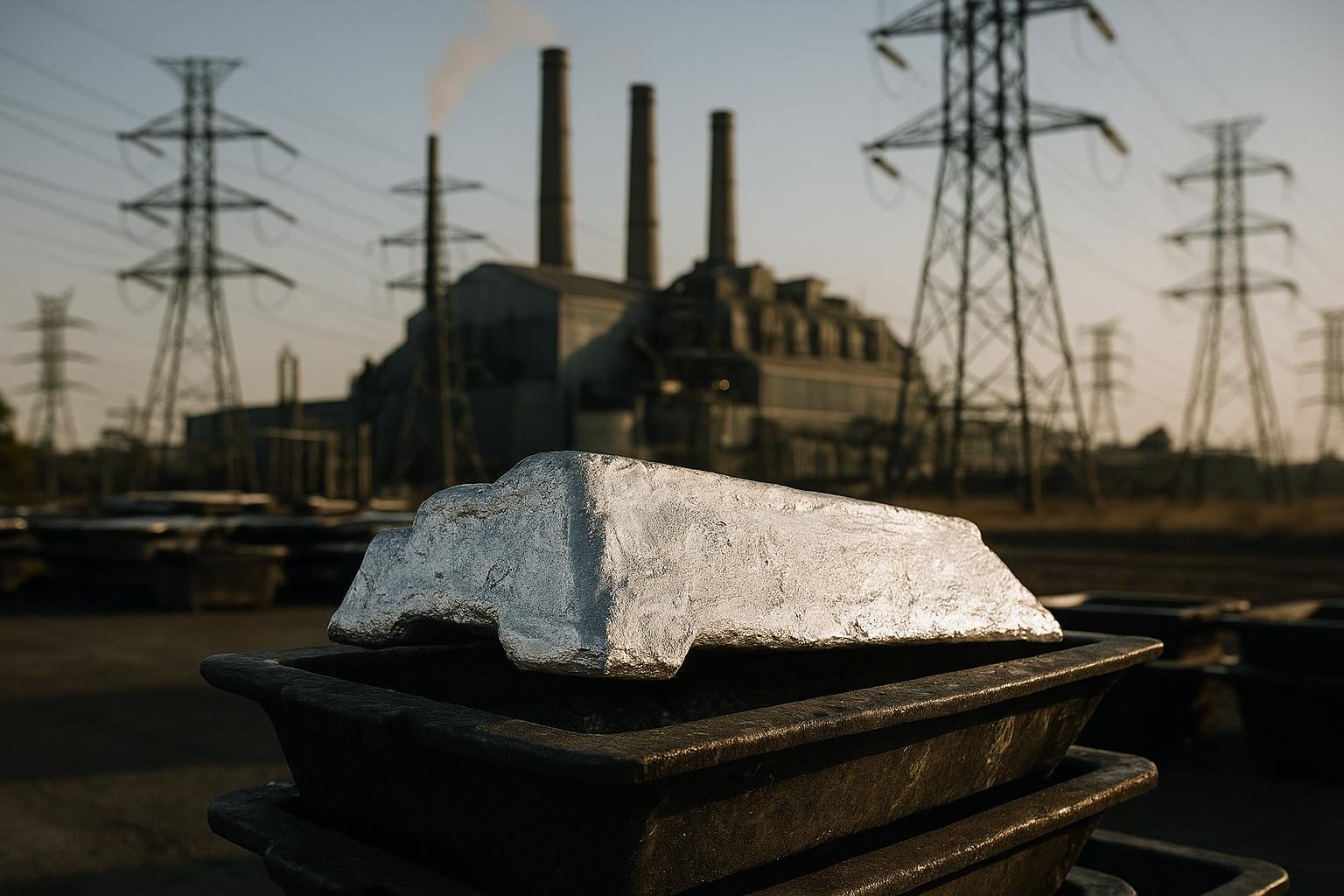
Australia's bold investment in Tomago's renewable transition safeguards jobs and industrial capability, while setting a template for heavy industry’s green shift.
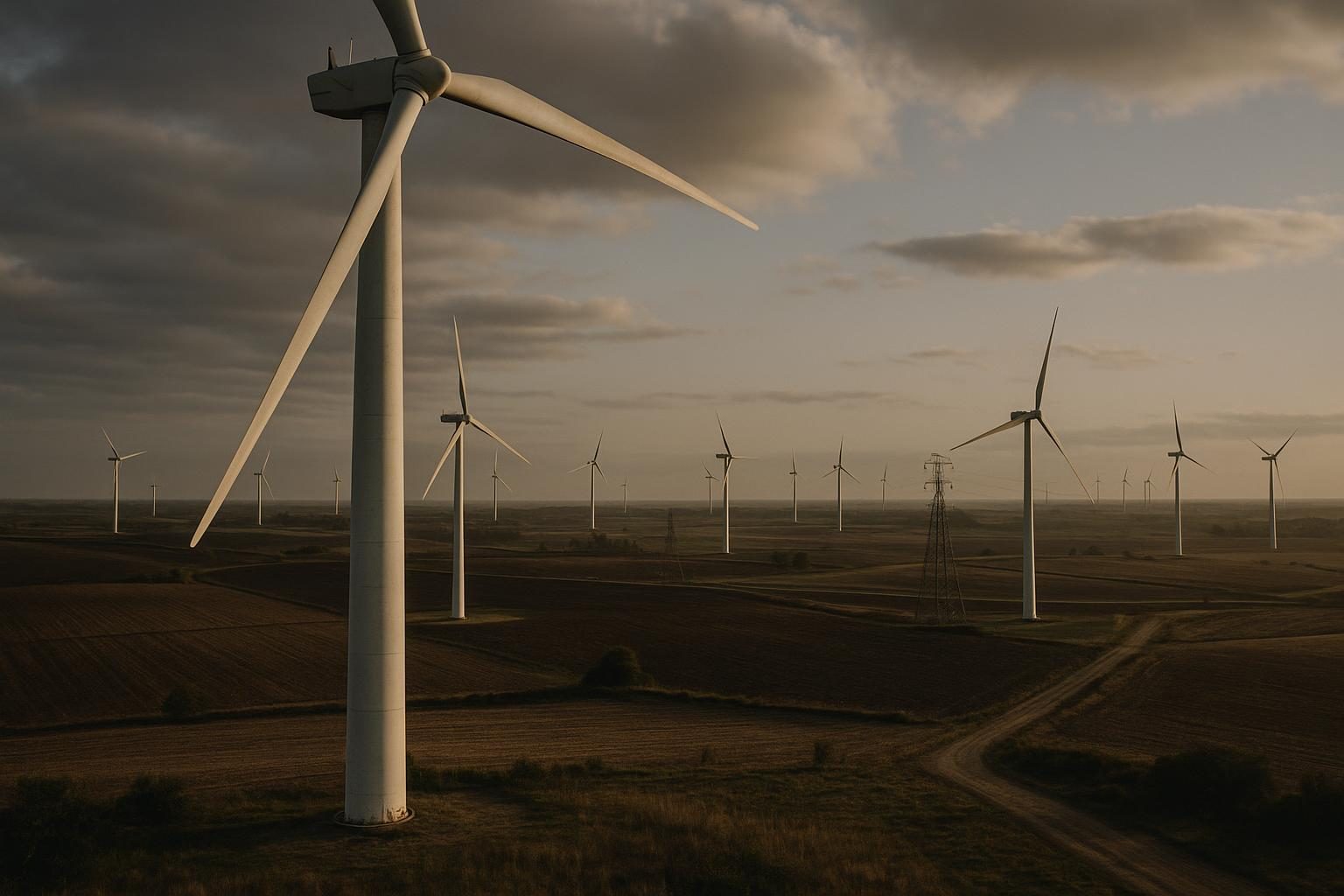
As TerraPower partners with South Korean giants, a new chapter unfolds in the global journey toward cleaner energy solutions.

The liquidation of SeaLead Shipping reveals the vulnerabilities within the global container supply chain amplified by geopolitical tensions.
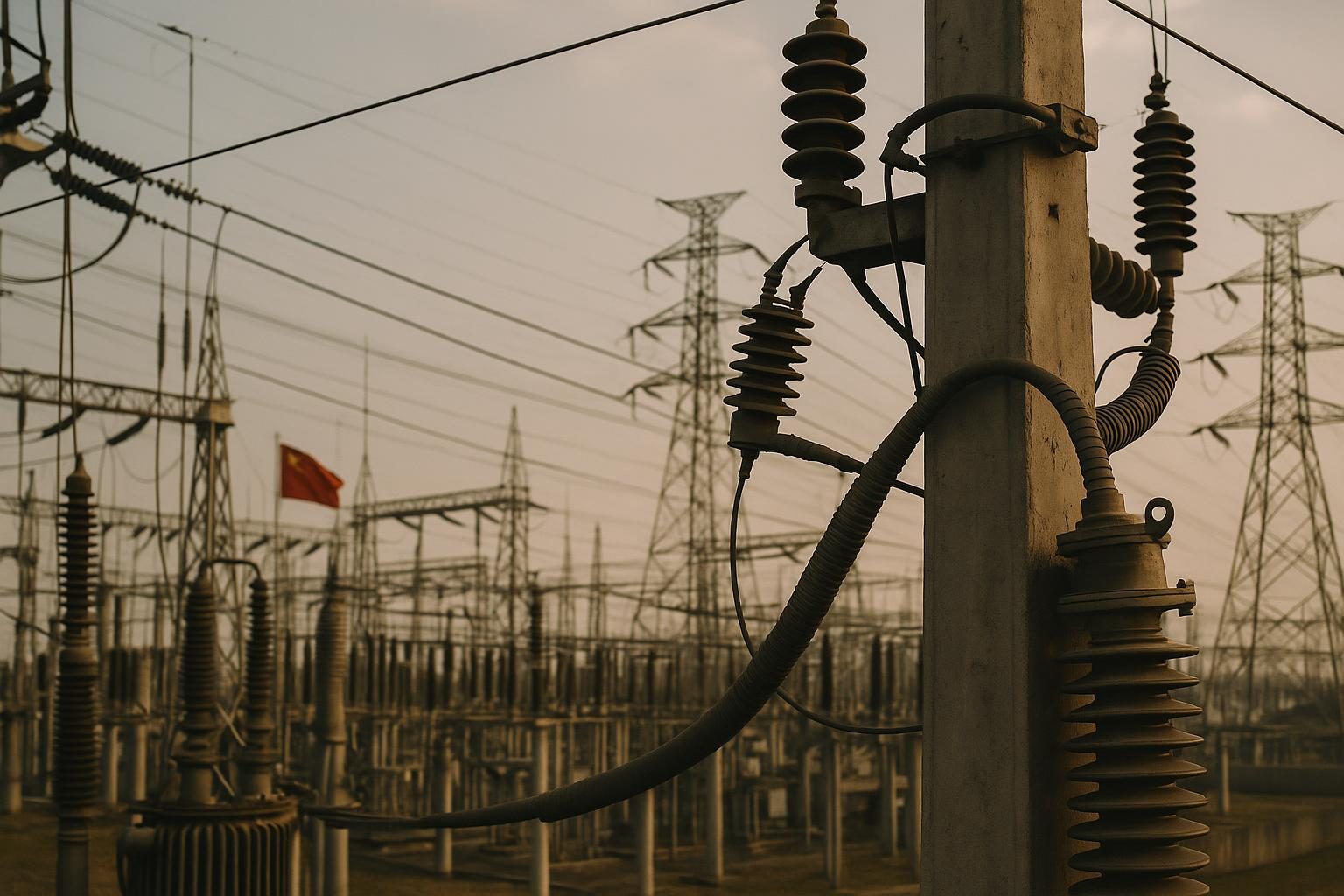
China's strategic deployment of quantum technologies aims to forge a smarter, more secure power grid.
Oklo's rapid deployment of its Groves Isotope Test Reactor could signal a step forward in nuclear innovation and isotope production.

As Europe faces its lowest natural gas reserves in over a decade, geopolitical tensions and market dynamics threaten winter energy security.

The Holtec-Entergy-Hyundai collaboration marks a strategic shift in U.S. nuclear energy, promising to redefine energy security and decarbonization.

The EU is fast-tracking its IRIS² satellite program to secure its own communications network in a turbulent world.
As the U.S. explores innovative nuclear fuel recycling, Curio's groundbreaking partnership signals a shift towards greater energy security and waste reduction.
Commonwealth Fusion Systems’ record funding round marks a transformative moment in private capital investment, betting big on the promise of limitless, clean energy.

When Europe's rivers run low, the continent's industries face a harsh new reality.

Launching ahead of schedule, NASA's latest mission promises groundbreaking insights into the cosmos.

Australia sets a global benchmark with its comprehensive AI infrastructure framework, balancing technological growth with environmental and social considerations.

Iran’s directive to the Houthis to potentially close the Bab el-Mandeb Strait marks a dangerous escalation in global energy security, threatening to compound disruptions triggered by the Strait of Hormuz crisis.

ASML's planned price hikes for Low-NA EUV lithography tools could reshape the semiconductor landscape, testing TSMC’s strategic resolve and impacting the broader market.

The Federal Energy Regulatory Commission's decision marks a pivotal shift in how computational loads like AI and crypto mines are integrated into the grid, redefining the future of energy policy.
Artificial intelligence, defense, and clean energy converge to reshape the global rare earth landscape.

Iran's alliance with Houthis to threaten Red Sea shipping escalates the U.S.-Iran conflict with far-reaching trade implications.
As global demand for rare earths soars, retired General Charles Flynn argues for a radical realignment of U.S. funding priorities.

Constellation's investment in Blue Energy's shipyard-built reactors signals a step forward for modular nuclear power in the U.S.

The divergence between consumer sentiment and institutional moves reveals deeper shifts in China’s gold market.
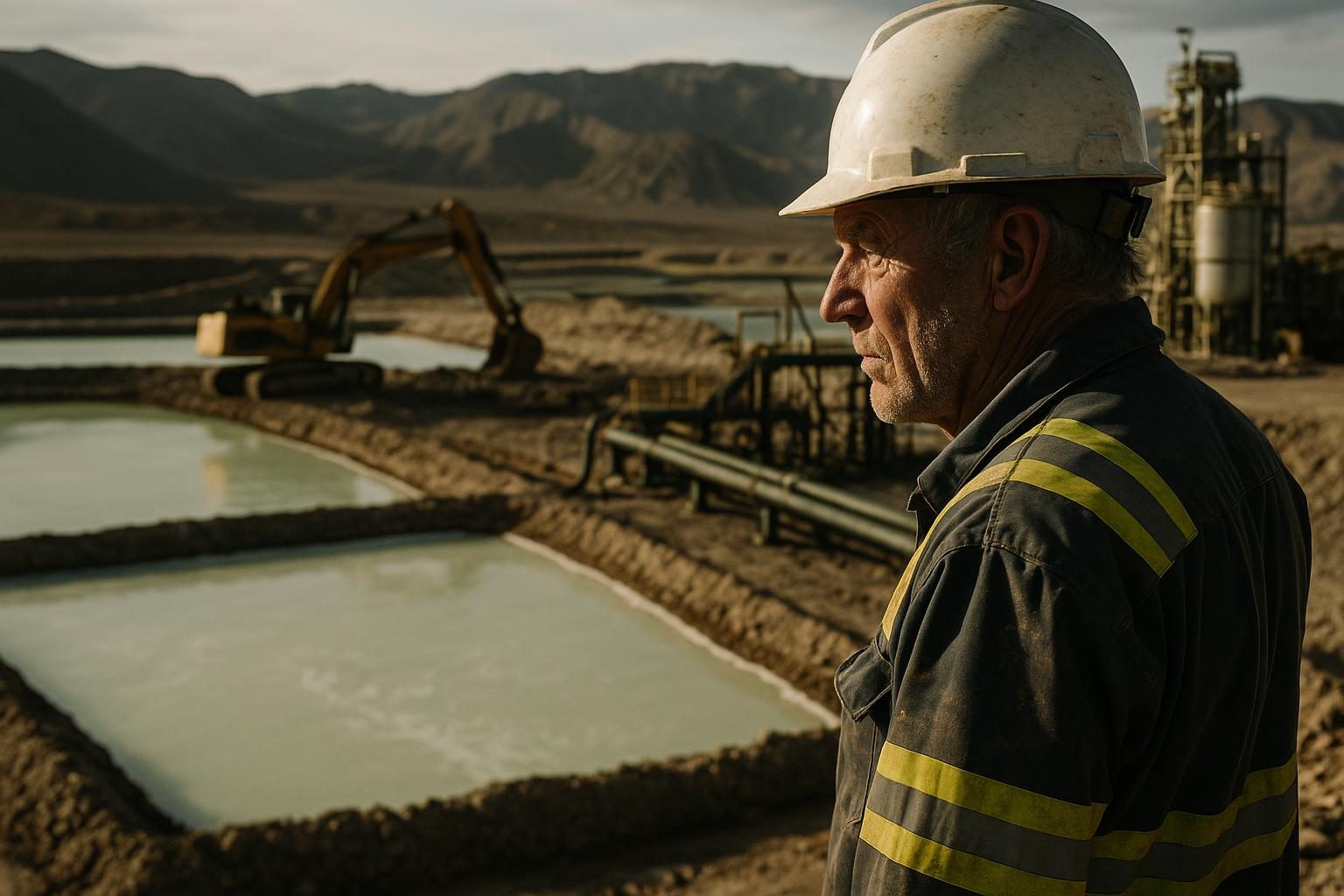
As lithium exports skyrocket, Chile anchors itself at the core of a transformative global shift.
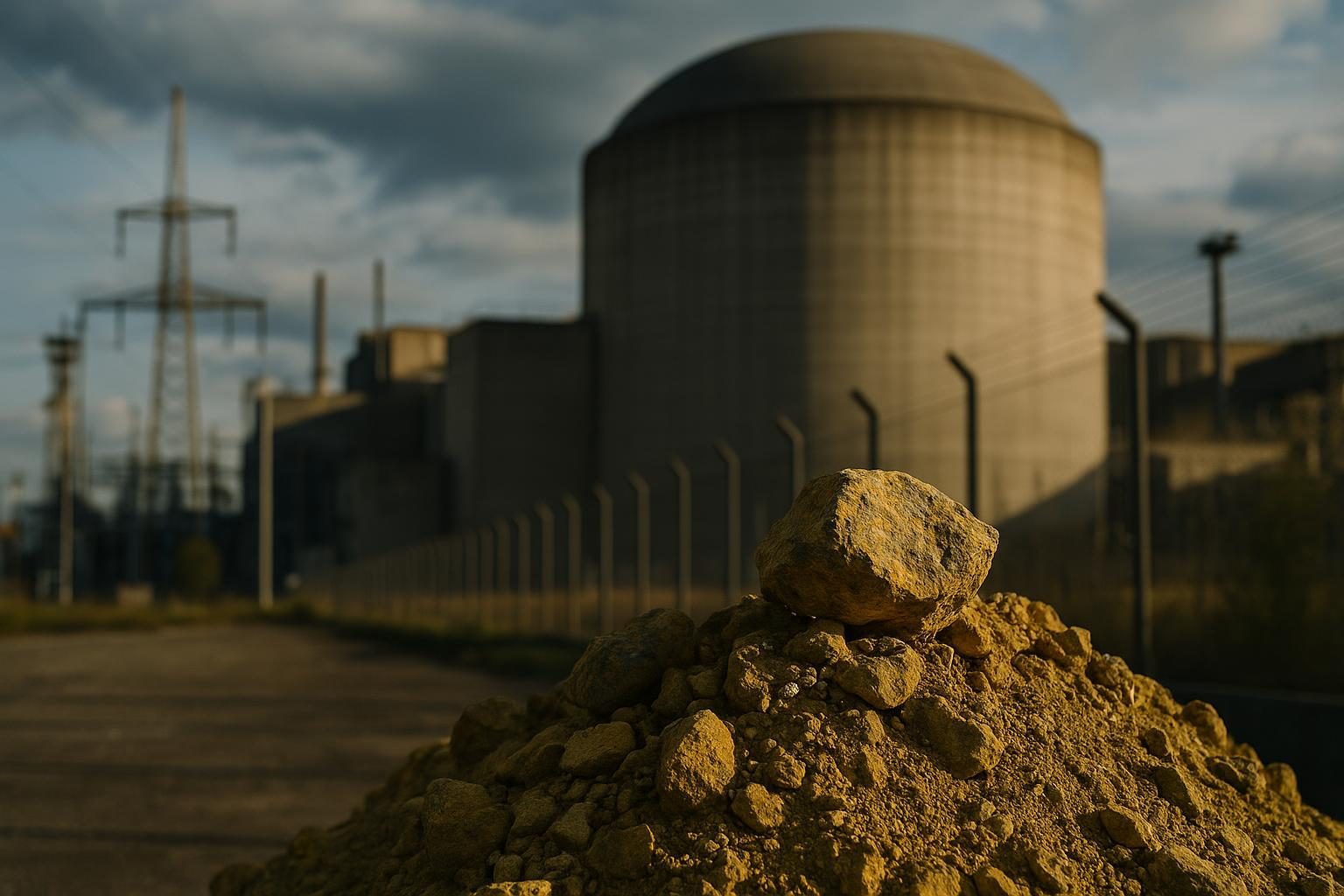
The ACR-300 project marks Argentina's bold move toward privatizing its nuclear energy sector, reshaping Latin America's energy future.
As global demand for critical minerals surges, Canada’s extended mine development timeline may leave billions stranded.

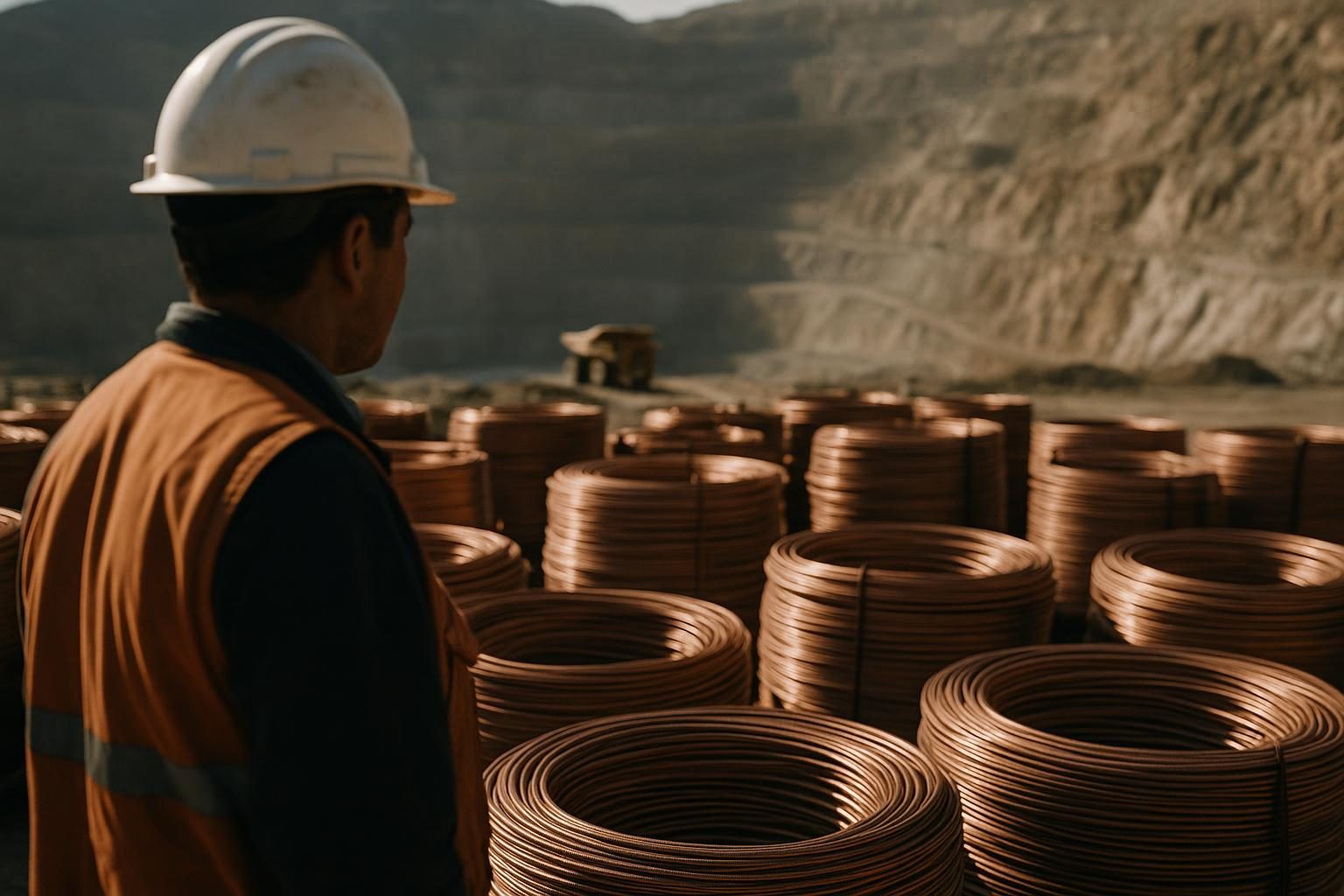
The global pursuit of electrification is hitting a copper wall, demanding urgent action to prevent a supply bottleneck.
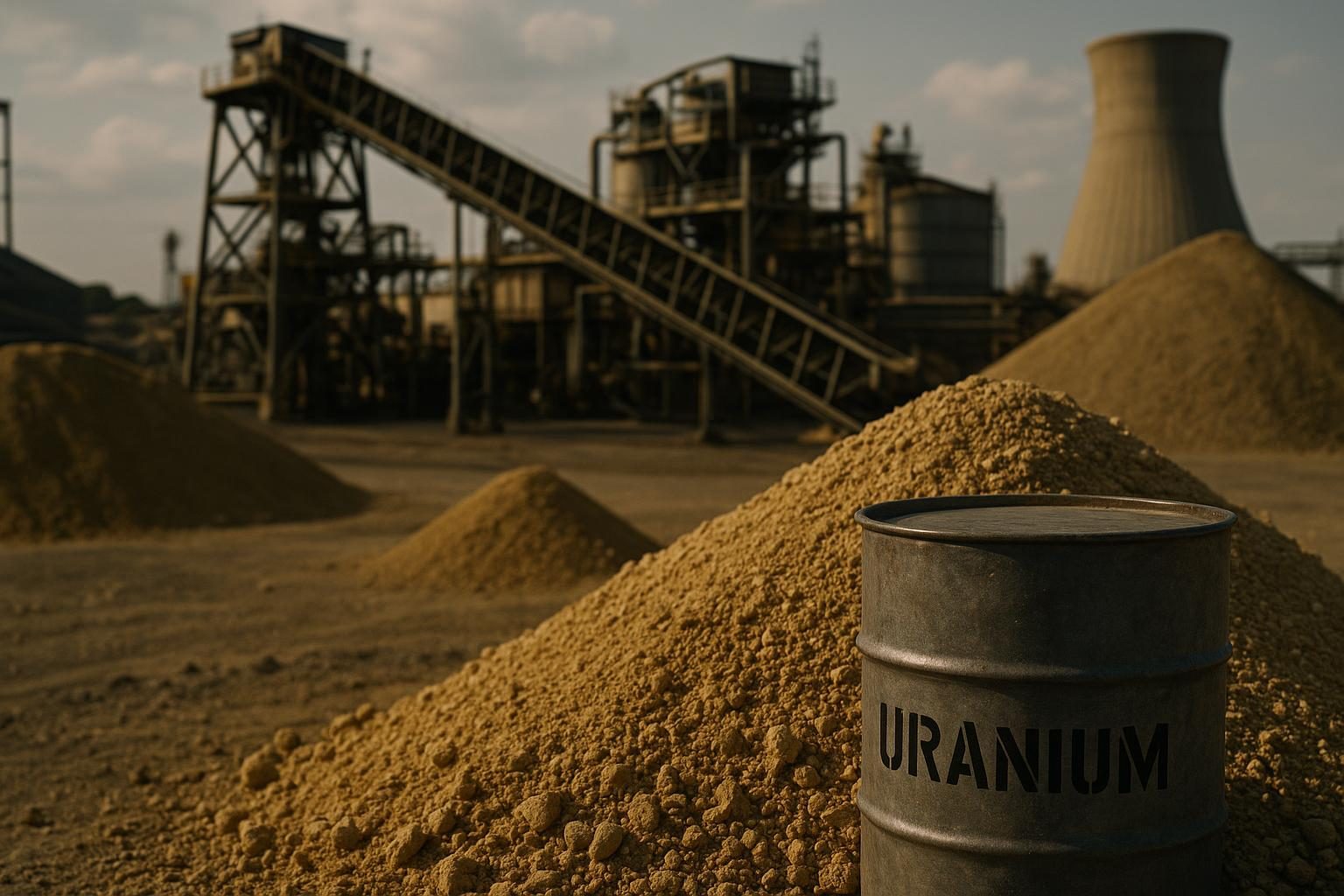
Australia’s uranium export agreement with India marks a strategic pivot, reshaping nuclear energy diplomacy under strict safeguards.
The UAE's unprecedented oil output surge after leaving OPEC could signal a structural shift in the balance of global energy power.
Colombia braces for a climatic battle as its hydropower dependency collides with a looming Super El Niño.

As China's gold ETF tops its stock counterpart, a deeper narrative unfolds across markets and reserves worldwide.
The U.S., Japan, and South Korea are joining forces to deploy small modular reactors in the Indo-Pacific, reshaping energy dynamics and regional influence.
The prototype ODIN microreactor project promises a fusion of technology, employment, and education at a pivotal site in Gloucestershire.

Canada's west coast pipeline to Asia marks a monumental shift with global implications beyond just oil.
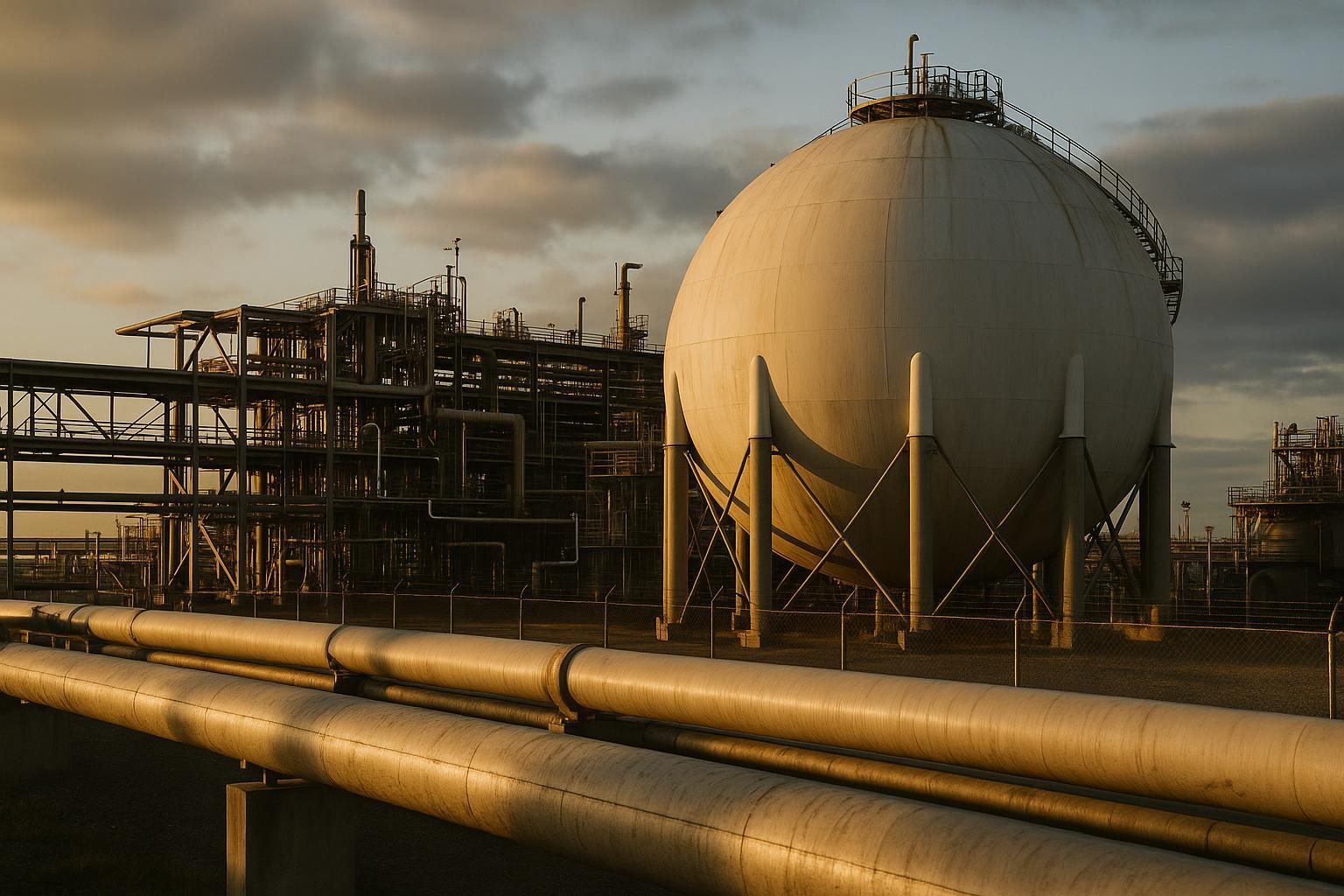
The collision of AI-driven power demand and surging LNG exports signals a new chapter for U.S. energy markets.
As Uzbekistan builds its first nuclear power plant, it charts a path that could redefine regional energy dynamics and global nuclear norms.
The Swedish government's bold move into nuclear reflects a structural shift in Europe's energy strategy and risk-sharing dynamics.
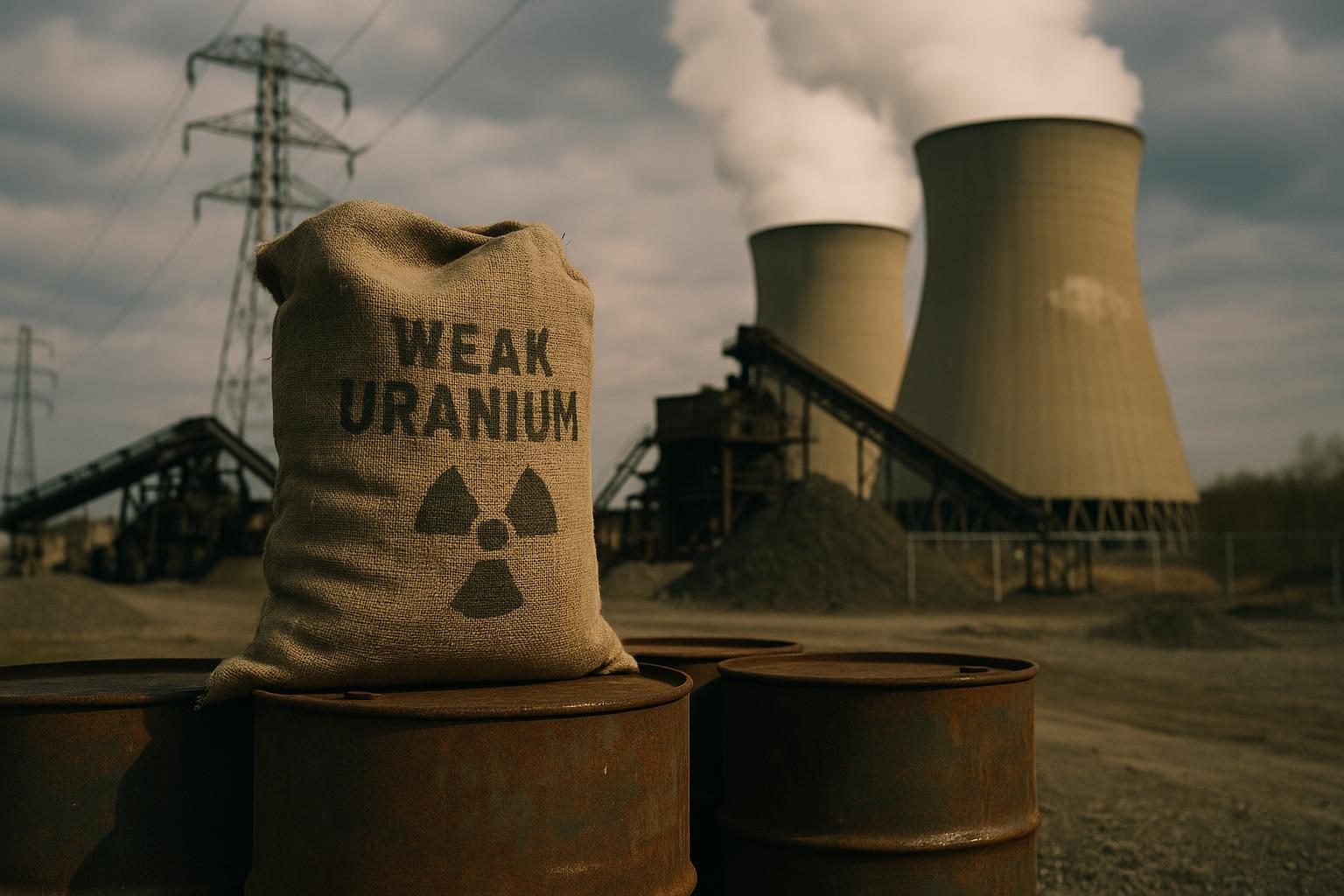
The U.S. government's strategic financial injection heralds a significant pivot in the nation's nuclear aspirations.

Amid a swelling wave of nuclear energy projects, uranium demand is poised for a major upswing.

In an era of decoupling fossil dependence, emerging renewable technologies and resources redefine commodity landscapes.

The completion of federal permitting for enCore Energy's Dewey Burdock project marks a pivotal moment for US uranium production and global demand dynamics.