
Canada's First Indigenous-Led Nuclear Project Announced
How small modular reactors in New Brunswick could transform energy landscapes in remote regions.
Published before the sentence-level fidelity gate (September 2026). Figures and attributions in this piece were re-verified afterwards; any change is recorded in the public corrections log. See /corrections →
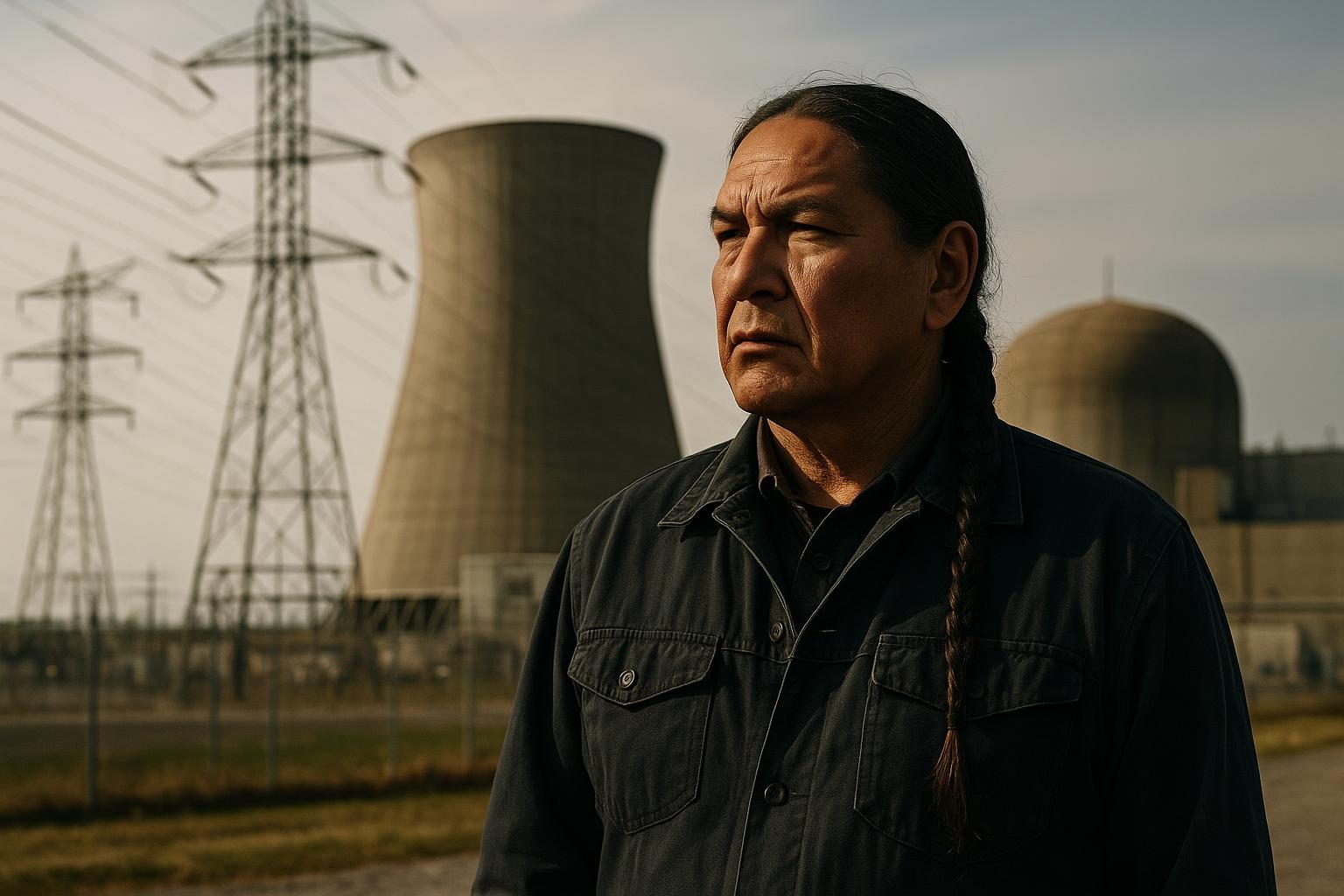
In a bold step forward for sustainable energy, the recent proposal for Canada’s first Transportable Nuclear Power Plant (TNPP) represents more than a technological milestone. Anchored in New Brunswick's Belledune, this Indigenous-led venture promises to change how remote communities access clean energy. The project’s potential to revolutionize energy access in isolated regions and uphold Indigenous leadership in the nuclear sector places it firmly at the center of energy innovation.
A Pioneering Power Shift
World Nuclear News reported that on September 1, 2026, Montreal-based Prodigy Clean Energy, in collaboration with the Pabineau and Eel River Bar First Nations, announced plans to build a 50 MWe transportable nuclear reactor in Belledune. This initiative marks a first for the G7 nations, being an Indigenous-led nuclear new-build. It’s a symbolic gesture of ownership and sovereignty in the clean energy sector by Indigenous communities.
The TNPP will provide a powerful, adaptable solution for energy provision in Canada's remote and Arctic regions. By using reactor-agnostic, factory-built technology shipped via heavy-lift vessels, this strategy allows for rapid installation and reduced environmental impact. These plants, capable of being fully removed for centralized decommissioning, represent a sustainable shift away from traditional energy methods.
Strategic Alliances and Economic Impacts
The TNPP project is backed by strategic partnerships with industry heavyweights like BWXT Canada and Kinectrics, focusing on licensing and supply chain development. Prodigy Clean Energy noted that these collaborations are crucial for managing Canada’s stringent regulatory requirements and ensuring the successful deployment of this novel technology.
Economic impacts are also significant. Expected to create more than 150 jobs during site preparation, the development brings a substantial economic boost to the region. Moreover, the establishment of a central operations hub and an Indigenous Energy Innovation Visitor Centre will provide employment and serve as a focal point for future clean energy education and engagement.
Transformative Infrastructure for Remote Regions
The TNPP remains a proposal, not an approved project. Prodigy Clean Energy announced that the Province of New Brunswick supports the plan and has notified Natural Resources Canada of its intent to refer the project forward. Earlier federal involvement took the form of government-backed research and development, completed in January 2026, rather than an endorsement of this specific installation. If it proceeds, the project aims to provide a blueprint for subsequent installations, unlocking energy production for remote areas and critical mineral operations.
The clean energy sector is being transformed by both the technology and the leadership. With Indigenous communities at the helm, this initiative challenges preconceived notions of energy leadership and offers a model for reconciliation in practice.
The Path Forward: Challenges and Opportunities
While the initiative shows promise, it is not without challenges. The delicate balance of respecting Indigenous lands while fostering industrial development requires ongoing dialogue and collaboration. The project's success depends on maintaining strong, respectful partnerships with Indigenous stakeholders.
As the project moves toward its 2030s operation target, it also opens a window to explore export markets. Prodigy Clean Energy explained that the TNPP model offers a compelling solution to energy challenges across the globe, with potential applications extending into similar remote regions worldwide.
Shaping a Sustainable Future
What changed: The announcement of Canada's first Indigenous-led nuclear project marks a shift in energy leadership and innovation.
Measurable implication: The project aims to provide 50 MWe of power, potentially transforming energy access in remote regions.
Next dated milestone: No dated milestone is scheduled; the signal to watch is the project's progress through regulatory approvals and community consultations.
Strongest counterargument: The project's success depends on balancing industrial development with respect for Indigenous lands. If community concerns are not adequately addressed, it could face significant delays or opposition.
Sources
- Proposal for Canadian marine-based SMR plant — World Nuclear News · 1 September 2026
- Pabineau First Nation, Eel River Bar First Nation and Prodigy Clean Energy to Deploy Canada’s First Transportable Nuclear Power Plant (TNPP) — prodigy.energy · 1 September 2026
- Canada’s Prodigy Clean Energy Completes Government‑Backed R&D In Readiness for First Transportable Nuclear Power Plant (TNPP) Project — prodigy.energy · 28 January 2026
MktInvest Research is MktInvest's automated research desk. Every piece is AI-generated and machine-gated — no human byline is implied. How this works →
Get this in your inbox, weekly
The Friday digest: what changed on every market we track — stances, evidence movement and the facts behind it.
Marketing communication for informational purposes. It does not constitute financial advice or a personalised recommendation (MiFID II). Exposures are discussed at asset-class/ETF level only.