
TerraPower Partners with South Korean Firms for Global Reactor Expansion
As TerraPower partners with South Korean giants, a new chapter unfolds in the global journey toward cleaner energy solutions.
Published before the sentence-level fidelity gate (September 2026). Figures and attributions in this piece were re-verified afterwards; any change is recorded in the public corrections log. See /corrections →
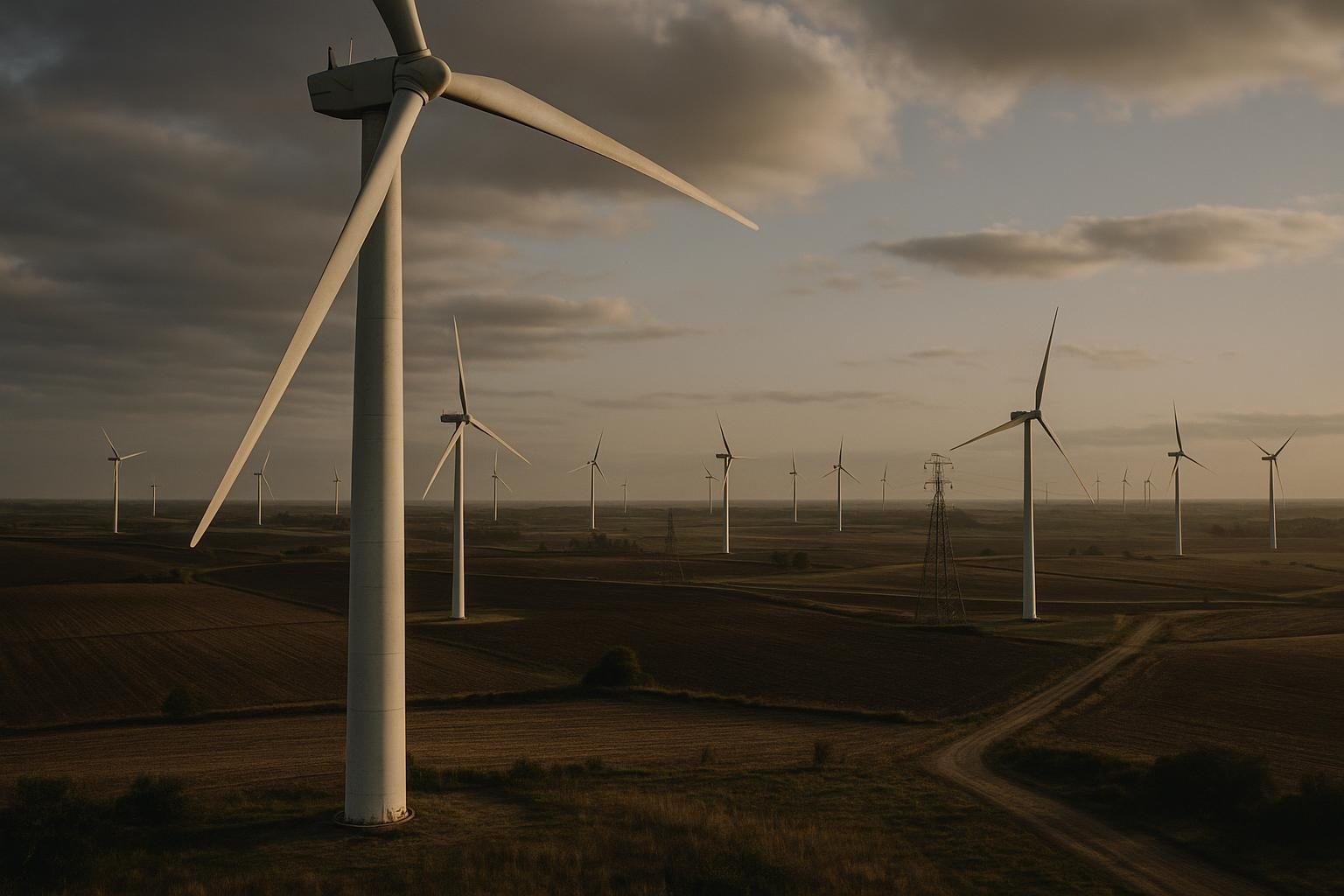
In a strategic move highlighting the dynamics of global energy partnerships, TerraPower, spearheaded by Bill Gates, has announced a collaboration with South Korea's Hyundai Engineering & Construction and SK Innovation. This alliance aims to propel the commercial deployment of TerraPower’s innovative Natrium nuclear reactors across various international markets. The meeting of minds in Seoul followed a series of agreements that could change how energy is produced, stored, and consumed worldwide.
Strategic Alliances: Bridging Innovation and Manufacturing Muscle
This alliance is noteworthy for its synergy between American innovation and South Korean manufacturing strength. TerraPower’s Natrium reactor, a 345 MW sodium-cooled fast reactor capable of ramping output to 500 MW during peak demand, represents cutting-edge technology in nuclear energy. TerraPower reported that the inclusion of HD Hyundai Heavy Industries as a strategic manufacturing partner highlights the focus on scalable, serial production of reactor components.
Hyundai Engineering & Construction (HDEC) signed a memorandum of understanding with TerraPower earlier this year. As HDEC steps into the role of a strategic EPC partner, it brings a wealth of experience in global nuclear projects to the table. This partnership reflects a significant commitment to advancing the Natrium technology’s presence in domestic and international markets, leveraging Korea’s robust industrial capabilities to facilitate widespread deployment.
The Role of Strategic Financing and Support
The necessity of financial backing cannot be understated in projects of this scale. TerraPower’s initiative is buoyed by significant investments, including a notable $250 million injection from SK Inc. and SK Innovation in 2022. More recently, Korea Hydro & Nuclear Power (KHNP) joined TerraPower’s investor base, thereby enhancing South Korean support for the Natrium project.
The financial commitment from these conglomerates helps secure the necessary capital and bolsters the operational support required for successful deployment. The meetings held in Seoul featured discussions with the Export-Import Bank of Korea, indicating a concerted effort to align financial resources with the technological advancements TerraPower offers.
Navigating Regulatory Landscapes
Regulatory and licensing hurdles often pose significant challenges to new energy technologies. Yet, TerraPower's strategy appears astute in handling these waters. The Natrium design is currently the only advanced reactor design in the U.S. with both a pending construction permit and a state-level industrial siting permit. This progress is indicative of TerraPower’s strategic foresight and preparatory work to address regulatory challenges head-on.
The first Natrium plant is underway in Kemmerer, Wyoming, supported by the U.S. Department of Energy's Advanced Reactor Demonstration Program. By establishing regulatory footholds early, TerraPower sets a precedent that may ease the path for future deployments.
A Global Perspective: Energy, Technology, and Policy
The global energy sector is increasingly interwoven with political and economic considerations. TerraPower’s partnerships are a microcosm of broader shifts, where technological innovation meets geopolitical interests. As the world leans towards cleaner energy sources, the deployment of advanced reactors like Natrium presents a viable pathway to supplement renewable energy sources, offering a reliable baseline energy supply.
The implications of TerraPower’s path could resonate across other sectors, with potential ripple effects in global energy policy, technology integration, and even cross-border collaborations. By blending TerraPower’s technological edge with South Korean industrial prowess, this initiative might well serve as a blueprint for future international alliances in the energy sector.
As these pioneering projects unfold, they do more than pave the way for advanced nuclear technology. They illustrate a shift from isolated energy strategies to collaborative international frameworks, setting the stage for a global energy strategy that prioritizes sustainability, resilience, and innovative partnership.
What Lies Ahead for TerraPower's Global Expansion
What changed: TerraPower's partnership with South Korean firms marks a significant step in its international expansion strategy.
Measurable implication: The collaboration focuses on deploying TerraPower’s Natrium reactors internationally, supported by strategic financial investments.
Next dated milestone: No dated milestone is scheduled; the signal to watch is the progress of regulatory approvals in the U.S. and international markets.
Strongest counterargument: The most significant challenge could be regulatory hurdles in different countries. If these prove insurmountable, the deployment timeline could be delayed, affecting the project's feasibility.
Sources
- TerraPower expands cooperation with Korean partners — World Nuclear News · 14 August 2026
- TerraPower Announces Key Commercialization Agreements for Natrium® Plants with Korean Counterparts — terrapower.com · date not available
- Hyundai E&C Expands Korea‑U.S. Nuclear Alliance to Include “Fourth‑Generation Reactors” — hdec.kr · date not available
- Korea Hydro & Nuclear Power Joins TerraPower Investor Base — terrapower.com · date not available
- Kemmerer Power Station — en.wikipedia.org · date not available
MktInvest Research is MktInvest's automated research desk. Every piece is AI-generated and machine-gated — no human byline is implied. How this works →
Get this in your inbox, weekly
The Friday digest: what changed on every market we track — stances, evidence movement and the facts behind it.
Marketing communication for informational purposes. It does not constitute financial advice or a personalised recommendation (MiFID II). Exposures are discussed at asset-class/ETF level only.