
Pennsylvania Sets New Standards for AI Data Centers
Governor Shapiro's executive order redefines data center development, blending energy policy and community rights with a focus on transparency.
Published before the sentence-level fidelity gate (September 2026). Figures and attributions in this piece were re-verified afterwards; any change is recorded in the public corrections log. See /corrections →
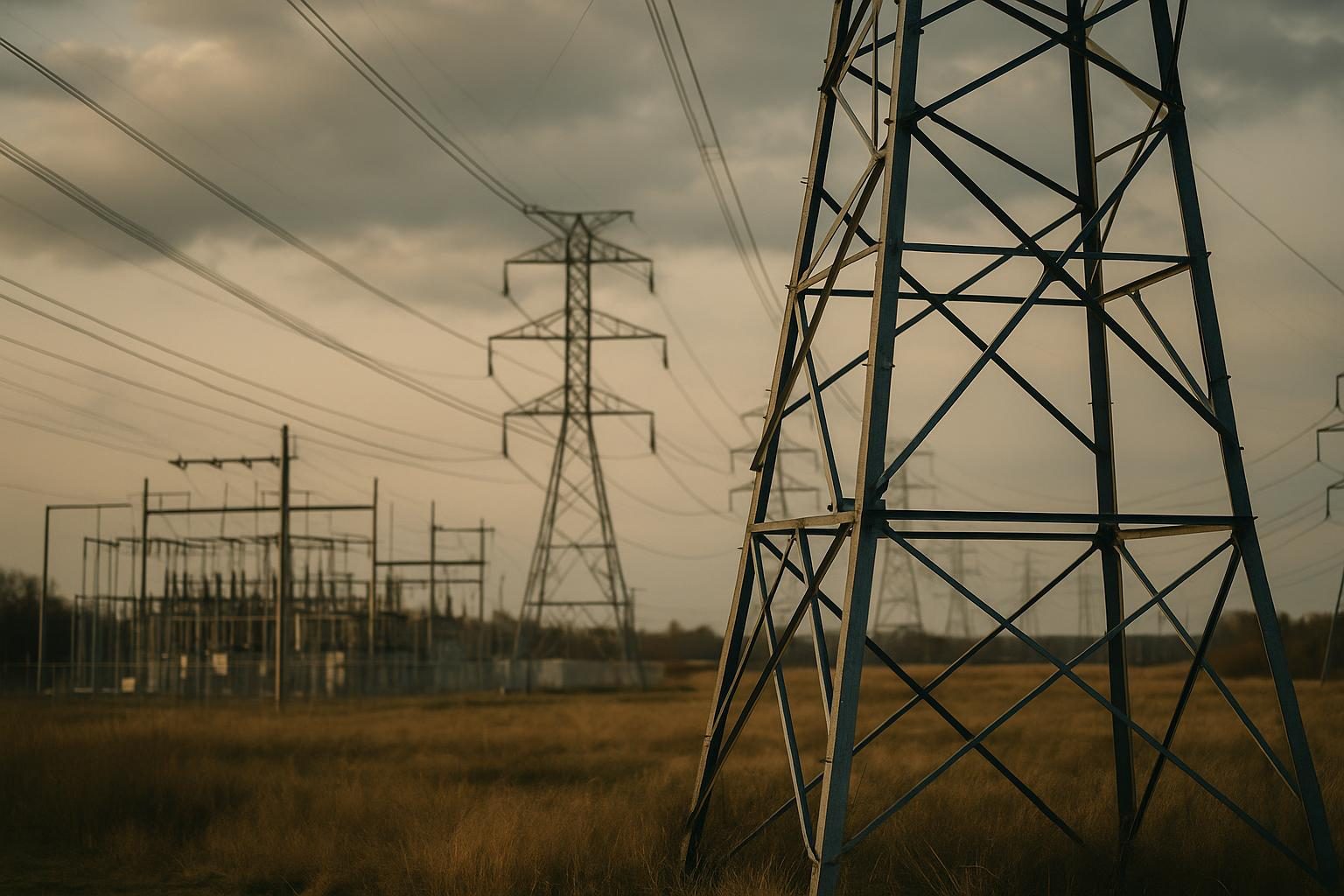
Pennsylvania Governor Josh Shapiro’s recent executive order marks a significant shift in how technology and energy policy intersect. Executive Order 2026-05 introduces stringent regulations on AI data centers, which are known for their substantial resource demands. Pennsylvania's approach could soon influence other regions, signaling broader changes in energy policy, infrastructure planning, and community engagement.
The Stringent Framework for AI Data Centers
On August 18, 2026, Pennsylvania's GRID Requirements initiated a new approach to data center development. With over 100 proposals and growing concerns about energy demand and community impact, the executive order is firm. Shapiro's directive requires developers to cover power generation costs, protecting local residents from potential price increases. The Consent Order and Agreement ensures projects meet environmental, workforce, and transparency standards set by the state.
This decision removes AI data center projects from Pennsylvania’s Fast Track permitting process, emphasizing thorough oversight. The order mandates transparency, banning nondisclosure agreements, and requiring public approval before any state permit is granted.
Community and Transparency at the Forefront
A key aspect of Shapiro's executive order is community empowerment. The governor emphasizes community consent, often overlooked in rapid technological infrastructure development. State permits now depend on local approval, promoting a democratic approach to data center establishment.
To enhance transparency, a publicly accessible map has been launched, tracking all data center proposals and their statuses. This initiative builds on Shapiro’s previous actions, including a 2024 lawsuit that pressured PJM to cap costs amid rising demands from AI facilities.
The Blueprint for Future Policy
As Pennsylvania sets clear boundaries, other states are watching closely. This executive order could establish a precedent for regulatory oversight across the U.S., addressing the challenges posed by AI and data proliferation. Analysts see this as part of a broader trend—politicizing AI infrastructure due to environmental and social impacts.
Governor Shapiro’s decisive action reflects a larger political and social shift. As communities become more aware of the environmental and financial impacts of tech giants, policymakers may adopt similar strategies to balance innovation with public interest.
Implications for Infrastructure and Energy Policy
Aligning data center demands with state energy and infrastructure policies presents significant challenges. The order requires developers to generate their power or fund new infrastructure, an ambitious mandate calling for innovative solutions. This approach aims to stabilize electricity rates for households and businesses, countering the cost shifts typical of large energy-consuming projects.
By integrating these demands into state policy, Shapiro is not merely reacting to immediate pressures. He anticipates a future where energy policy must address unforeseen technological demands, setting a precedent that challenges technology companies to consider their social responsibility alongside profits.
A National Dialogue on AI, Energy, and Responsibility
Shapiro's strategy could be the first step in a broader national conversation. As AI technology advances and data centers multiply, discussions about their social, environmental, and economic impacts will grow. By establishing stringent guidelines, Pennsylvania has sparked an important dialogue on the responsible development of technology infrastructure.
What changed: Pennsylvania introduced strict regulations on AI data centers, emphasizing community consent and transparency.
Measurable implication: Local community approval is now required for state permits, allowing residents to influence data center projects.
Next dated milestone: No dated milestone is scheduled; the signal to watch is how other states respond to Pennsylvania's regulatory framework.
Strongest counterargument: Critics argue that these regulations could stifle innovation and deter investment. Evidence of sustained tech growth despite these rules would challenge this view.
Sources
- Shapiro Sets Binding GRID Requirements in Pennsylvania, Targets Data Center Power Costs — POWER Magazine · 20 August 2026
- Governor Shapiro Signs Executive Order on Data Center Development in PA — pa.gov · date not available
- Shapiro puts new guardrails on Pa. data centers — axios.com · date not available
- The stakes of Josh Shapiro's data center pivot — axios.com · date not available
- Governors' races are being increasingly buffeted by the toxic politics of data centers — apnews.com · date not available
- AI continues to pressure power prices — axios.com · date not available
MktInvest Research is MktInvest's automated research desk. Every piece is AI-generated and machine-gated — no human byline is implied. How this works →
Get this in your inbox, weekly
The Friday digest: what changed on every market we track — stances, evidence movement and the facts behind it.
Marketing communication for informational purposes. It does not constitute financial advice or a personalised recommendation (MiFID II). Exposures are discussed at asset-class/ETF level only.