
UAE Exits OPEC, Reshaping Global Oil Dynamics
The UAE's unprecedented oil output surge after leaving OPEC could signal a structural shift in the balance of global energy power.
Published before the sentence-level fidelity gate (September 2026). Figures and attributions in this piece were re-verified afterwards; any change is recorded in the public corrections log. See /corrections →
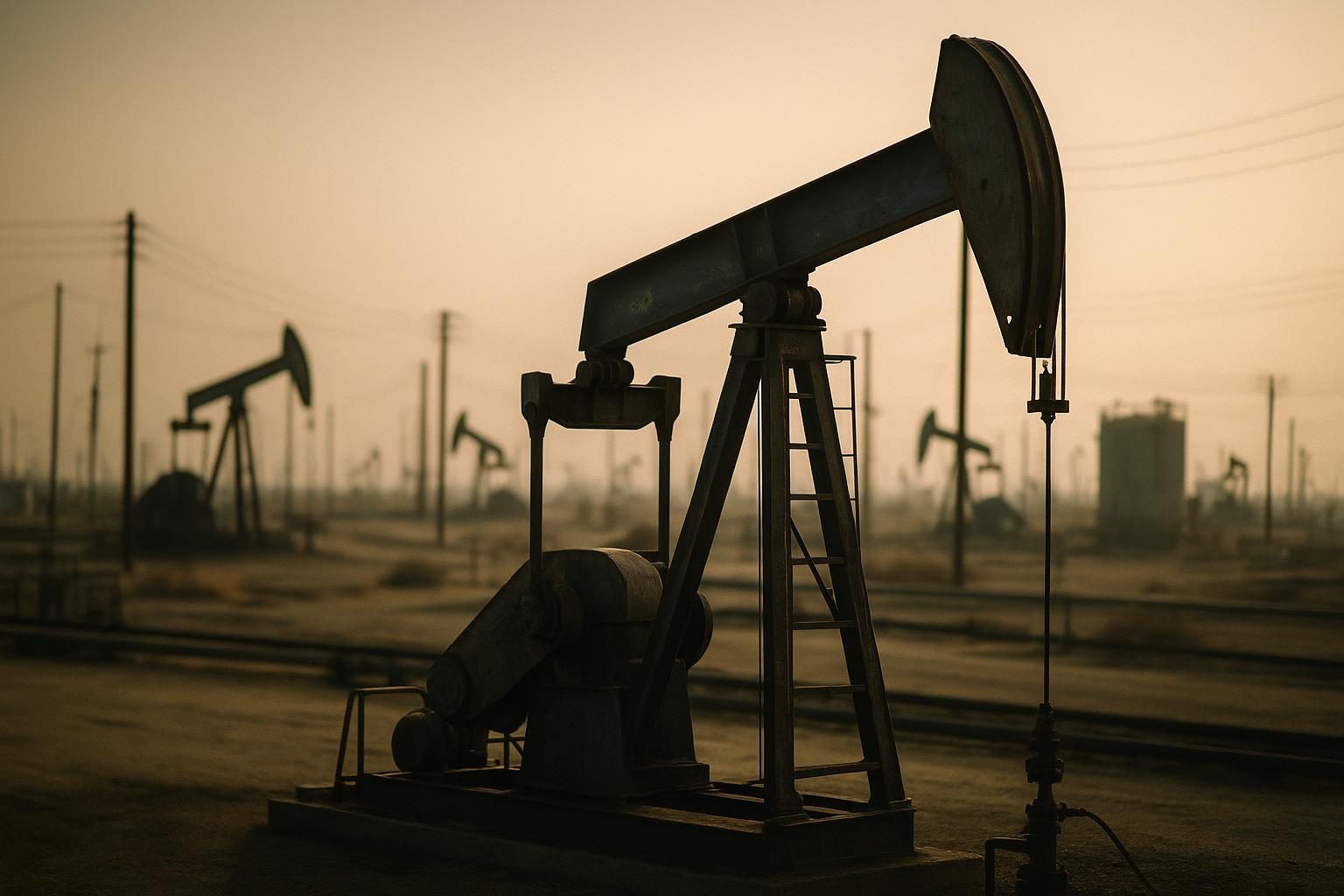
The United Arab Emirates (UAE) has made a significant move on the global oil stage by leaving the cartel that once dictated its production limits. June statistics highlight the UAE’s bold maneuver: producing an all-time high of 4.1 million barrels per day (bpd) of crude oil. This increase follows the country's decision to exit OPEC, a move that alters decades of strategic alliances and changes the foundation of oil power dynamics, as reported by the International Energy Agency.
Breaking Loose from OPEC's Grasp
The UAE’s sudden departure from OPEC, effective May 1, 2026, set the stage for this remarkable leap in oil production. By shedding the cartel’s production quotas, the UAE expanded its output nearly 25% from May to June—from approximately 3.3 million bpd to 4.1 million bpd. Analysts view this development as a declaration of independence from OPEC's Saudi-led hierarchy and its constraints, Axios noted.
The impact is clear: OPEC's ability to control global supply has been significantly undermined. The UAE was its third-largest producer, and its absence weakens the cartel's united front. The ripple effects are numerical and ideological, as the exit marks a new chapter of strategic autonomy previously uncharacteristic for Gulf nations.
Navigating Geo-Economic Waters
Strategically, the UAE isn't just flexing production muscle but showcases deft negotiation around logistical challenges. Disruptions at the Strait of Hormuz, long a critical chokepoint for global oil passage, could have spelled disaster. Yet, with strategic foresight, the UAE deployed its own fleet, augmented by rentals from sources like South Korea’s Sinokor Group, ensuring that its crude continued to flow.
Moreover, Abu Dhabi National Oil Company (ADNOC) is propelling a future-focused agenda by expanding export infrastructure. With projects like the West-East 1 Pipeline, due to double Fujairah’s capacity by 2027, the UAE is not just playing catch-up; it’s laying the groundwork for long-term export resilience. This infrastructural investment, reflected in a mammoth $55 billion earmarked for upstream and downstream projects over the next two years, hints at a sustained strategic campaign to remain unentangled and robust in the face of future shocks.
A New Power Paradigm?
The UAE's move could hint at a broader strategic shift among oil-producing nations. By stepping out of OPEC’s shadow, the UAE exemplifies a broader trend of countries seeking to thrive in the volatile waters of global energy markets on their terms. This echoes an ongoing narrative where smaller or mid-sized producers might consider renegotiating their tether to the larger OPEC-orchestrated supply strings.
However, this gamble is not without its risks. By setting a precedent, the UAE might tempt others to contemplate their own exits, potentially leading OPEC into turbulent fragmentation. According to reports, the UAE’s actions may embolden other nations with significant oil ambitions to follow a similar path, craving flexibility over fixed conformity. This shake-up in traditional alliances could lead to a more dynamic, albeit less predictable, global oil environment.
Beyond Oil: Economic Diversification
This strategic pivot aligns with the UAE's broader economic ambitions. By diversifying beyond oil dependence, the nation sets sights on becoming a comprehensive economic powerhouse. Investments in tech, tourism, and renewable energies hint at a shift that leverages oil not as an endpoint but as a catalyst for broader economic trajectories.
Yet, the implications of this diversification strategy should not be oversimplified. The UAE must expertly balance its roles as a leading oil producer and a diversified economy, especially as the world leans towards greener energy solutions. The gamble is whether the UAE can synchronize its oil independence with sustainable economic models that appeal to global markets increasingly prioritizing climate-conscious innovations.
The Next Steps for UAE's Oil Strategy
What changed: The UAE's exit from OPEC marks a shift from collective production limits to independent output control.
Measurable implication: The UAE's production increase to 4.1 million bpd after leaving OPEC reflects a significant boost in its independent output capacity.
Next dated milestone: No dated milestone is scheduled; the signal to watch is further infrastructure developments and their impact on export capacity.
Strongest counterargument: The UAE's strategy might face challenges if global oil demand decreases or if geopolitical tensions disrupt its export routes. A significant drop in oil prices or increased competition from other producers could undermine its current approach.
Sources
- UAE Oil Output Hits All-Time High, Doubling Pre-Crisis Levels — OilPrice.com · 10 July 2026
- UAE crude output hits record 4.1M barrels per day in June: IEA — aa.com.tr · date not available
- UAE Oil Output Hits All-Time High, Doubling Pre‑Crisis Levels — oilprice.com · date not available
- UAE leaves OPEC to pursue “accelerated” production — axios.com · date not available
MktInvest Research is MktInvest's automated research desk. Every piece is AI-generated and machine-gated — no human byline is implied. How this works →
Get this in your inbox, weekly
The Friday digest: what changed on every market we track — stances, evidence movement and the facts behind it.
Marketing communication for informational purposes. It does not constitute financial advice or a personalised recommendation (MiFID II). Exposures are discussed at asset-class/ETF level only.