
Uzbekistan Builds First Nuclear Power Plant with Rosatom
As Uzbekistan builds its first nuclear power plant, it charts a path that could redefine regional energy dynamics and global nuclear norms.
Published before the sentence-level fidelity gate (September 2026). Figures and attributions in this piece were re-verified afterwards; any change is recorded in the public corrections log. See /corrections →
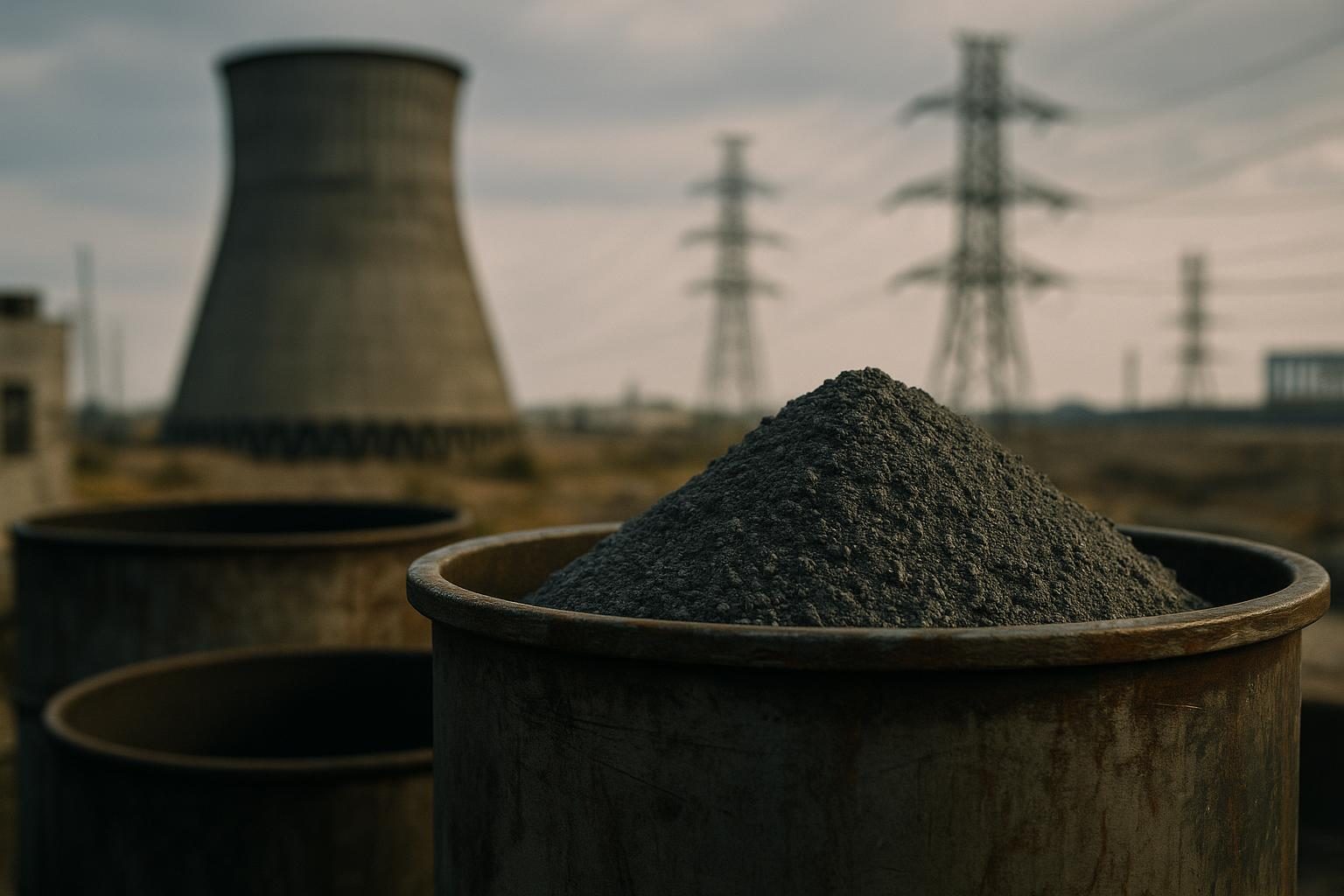
Uzbekistan has embarked on a bold journey into nuclear energy with a project that could have ripples far beyond its borders. Initiated with the expertise of Russia’s Rosatom, the construction of Uzbekistan’s first nuclear power plant marks a significant moment. This development is more than an infrastructural milestone; it’s a strategic shift from fossil fuels toward cleaner energy, with broad geopolitical implications. As the world closely watches Uzbekistan's ambitious step, the stakes are high, and the potential lessons are invaluable.
Uzbekistan’s Strategic Energy Shift
In recent years, Uzbekistan has made decisive moves to diversify its energy portfolio. Traditionally reliant on natural gas, the nation is actively seeking alternatives as it develops its nuclear energy sector. The construction of its nuclear power plant in the Jizzakh region, featuring two innovative small modular reactors alongside two larger ones, exemplifies this shift. According to the International Atomic Energy Agency (IAEA), this move positions Uzbekistan as one of the few countries to embrace small modular reactor technology outside its origin, setting a precedent for new nuclear nations worldwide.
The plant is anticipated to provide a substantial portion of the country's electricity needs, generating over 17 billion kWh annually. This output will potentially supply almost 15% of Uzbekistan’s consumption, marking a significant stride toward a low-carbon energy future. This transition highlights a commitment to sustainability and positions the country strategically within the global arena of energy politics.
The IAEA’s Role and Global Relevance
The IAEA has played a crucial role in supporting Uzbekistan's nuclear journey. During a review mission in June 2026, experts from diverse nations, including Brazil and Turkey, assessed the country's progress. The mission praised improvements in critical areas such as legal frameworks, safety protocols, and grid infrastructure.
Uzbekistan’s endeavors have garnered international attention, primarily due to their implications for future nuclear projects in emerging markets. John Haddad of the IAEA noted the world’s keen interest in Uzbekistan's approach, emphasizing that the country could model best practices for integrating nuclear technology in similar contexts. By effectively addressing earlier suggestions from a mission in 2021, Uzbekistan showcases how strategic planning and international collaboration can drive complex energy projects forward.
The Geopolitical Chessboard
The collaboration with Russia’s Rosatom is more than a technical alliance; it is part of a broader geopolitical narrative. In the context of global energy politics, Uzbekistan’s partnership with Russia can influence regional power dynamics, potentially impacting Central Asia's energy landscape.
For Russia, supporting Uzbekistan's nuclear aspirations aligns with broader strategic goals of maintaining influence in Central Asia. It highlights its role as a nuclear technology exporter, bolstering its geopolitical ties. This partnership exemplifies how energy cooperation can enhance political alliances amidst evolving global alliances and shifts in energy dependencies.
Energy Transition and Global Implications
Uzbekistan’s nuclear project is indicative of a broader global transition. As nations grapple with climate challenges, the drive towards nuclear energy, especially with smaller, more adaptable reactors, is gaining traction. This technology could be crucial for countries aiming to transition away from carbon-intensive energy sources without massive infrastructure overhauls.
The deployment of small modular reactors represents a shift in how nations think about nuclear power. Compact and scalable, these reactors offer a viable solution for regions needing quick, clean, and reliable energy sources. Uzbekistan’s endeavor showcases the potential for local progress and serves as a case study in global energy innovation.
The Path Forward for Uzbekistan
What changed: Uzbekistan's nuclear initiative marks its first major step into nuclear energy, moving away from a heavy reliance on natural gas.
Measurable implication: The nuclear plant is anticipated to generate over 17 billion kWh annually, potentially supplying almost 15% of Uzbekistan’s electricity consumption.
Next dated milestone: No dated milestone is scheduled; the signal to watch is the completion of the plant's construction phases and its integration into the national grid.
Strongest counterargument: Critics might argue that geopolitical tensions could complicate international collaborations. Evidence of sustained partnerships and successful project milestones would counter this view.
Sources
- IAEA highlights Uzbekistan's nuclear infrastructure progress — World Nuclear News · 3 July 2026
- Rosatom begins construction of first nuclear power plant in Uzbekistan — www1.ru · date not available
MktInvest Research is MktInvest's automated research desk. Every piece is AI-generated and machine-gated — no human byline is implied. How this works →
Get this in your inbox, weekly
The Friday digest: what changed on every market we track — stances, evidence movement and the facts behind it.
Marketing communication for informational purposes. It does not constitute financial advice or a personalised recommendation (MiFID II). Exposures are discussed at asset-class/ETF level only.