
China's Quantum Technology Enhances Energy Grid Security
China's strategic deployment of quantum technologies aims to forge a smarter, more secure power grid.
Published before the sentence-level fidelity gate (September 2026). Figures and attributions in this piece were re-verified afterwards; any change is recorded in the public corrections log. See /corrections →
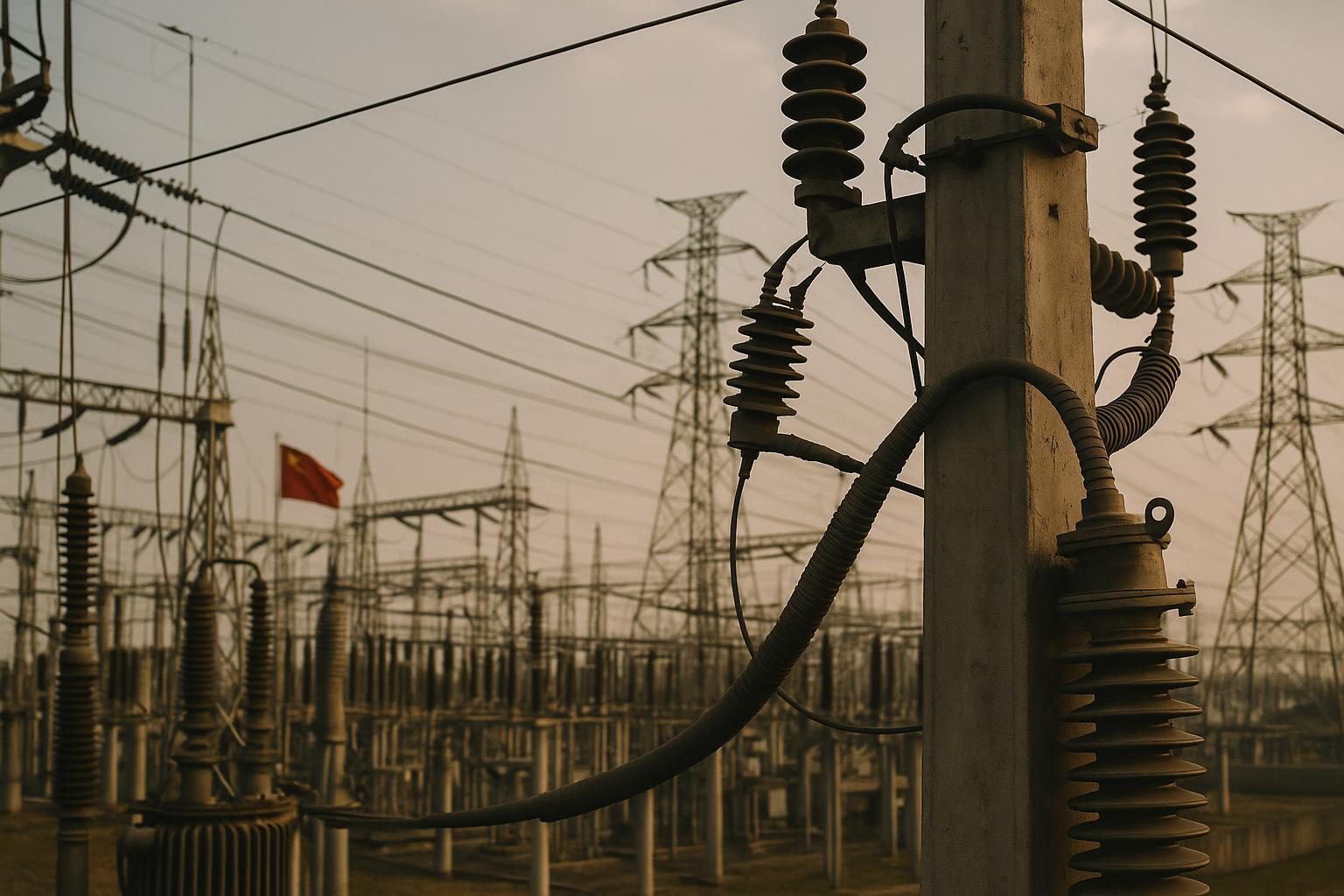
As global power grids face increasing demands, China has turned to quantum technology to enhance its energy infrastructure. This move is not just about innovation; it is a strategic effort to secure the nation's energy future in a data-driven world.
The Hefei Experiment: A Glimpse into Quantum's Grid Future
In November 2024, Hefei became a focal point for energy technology with the launch of China's first quantum-application demonstration substation. news.cn reported that this facility uses 85 quantum-based devices to improve grid sensing, communication, and computing. Innovations include diamond quantum materials for precise current sensing and quantum-dot materials to detect fires early. State Grid Anhui praised the substation for demonstrating that quantum technology can enhance power supply reliability.
Hefei's initiative is part of China's broader commitment to using quantum advancements to address grid challenges. As power consumption increases due to AI-driven data centers and renewable energy sources, traditional grid systems are under pressure. Hefei's substation suggests a future where quantum technologies provide the agility and security needed to meet these challenges.
Secure Waters: Quantum Cryptography in Hydropower
China Huadian's 2026 pilot project at a hydropower site highlights Beijing's commitment to quantum innovations. The project uses a triple-layer encryption system to protect data and command flows within the power infrastructure. cpnn.com.cn reported that this system employs quantum key distribution, post-quantum cryptography, and commercial encryption to defend against sophisticated cyber threats. This marks a significant advance in infrastructure cybersecurity.
As cyber threats become more pervasive, the energy sector must prioritize security to protect national grids. China's initiative shows a proactive strategy where quantum measures make traditional cyber barriers seem outdated, ensuring data integrity at multiple levels.
Bridging AI and Energy: The Digital Investment Surge
Quantum technologies are not the only digital upgrades China is pursuing. As grid demands grow, so does the integration of artificial intelligence (AI) across energy systems. In 2025, digitalization investments in the power sector reached 42 billion yuan ($6.17 billion), with major utilities using AI for improved energy dispatching and trading efficiency, according to china.org.cn.
These investments align the grid's capabilities with China's broader industrial modernization goals. As State Grid Corp plans a 4 trillion yuan ($554 billion) investment by 2030, quantum and AI advancements will likely form the foundation of a new power system focused on sustainable and intelligent growth.
A Quantum-Driven Energy Odyssey
China's embrace of quantum technologies is a geopolitical move to secure energy dominance in a rapidly evolving market. By combining quantum innovations with AI enhancements, China aims to create an energy grid that powers its cities more effectively and positions itself as a leader in global energy technology.
The world will be watching closely. As digital and energy landscapes converge, the implications extend beyond China's borders. How these advancements unfold may shape the future of global energy infrastructure, offering lessons to nations worldwide managing modern energy challenges.
The Next Steps in China's Quantum Energy Strategy
What changed: China's integration of quantum technology into its energy grid marks a shift towards more secure and efficient power management.
Measurable implication: The launch of the Hefei quantum-application demonstration substation with 85 quantum-based devices illustrates China's strategic focus on enhancing grid security and reliability.
Next dated milestone: No dated milestone is scheduled; the signal to watch is further integration of quantum technologies in other regions.
Strongest counterargument: The effectiveness of quantum technologies in large-scale applications remains unproven. If these technologies fail to deliver the expected improvements in grid security and efficiency, China's strategy may need reevaluation.
Sources
- China Is Betting on Quantum Tech to Fix Its Power Grid — OilPrice.com · 7 August 2026
- 探访国内首座量子应用示范变电站 — news.cn · date not available
- 我国首座量子应用示范变电站建成投用 — news.cn · date not available
- 中国华电首个水电场景量子技术应用项目进入试运行阶段 — cpnn.com.cn · date not available
- China intensifies digital push in energy sector amid AI boom — china.org.cn · date not available
- Grid upgrade to power tech prowess — global.chinadaily.com.cn · date not available
MktInvest Research is MktInvest's automated research desk. Every piece is AI-generated and machine-gated — no human byline is implied. How this works →
Get this in your inbox, weekly
The Friday digest: what changed on every market we track — stances, evidence movement and the facts behind it.
Marketing communication for informational purposes. It does not constitute financial advice or a personalised recommendation (MiFID II). Exposures are discussed at asset-class/ETF level only.