
Iran's Directive to Houthis Threatens Bab el-Mandeb Strait
Iran’s directive to the Houthis to potentially close the Bab el-Mandeb Strait marks a dangerous escalation in global energy security, threatening to compound disruptions triggered by the Strait of Hormuz crisis.
Published before the sentence-level fidelity gate (September 2026). Figures and attributions in this piece were re-verified afterwards; any change is recorded in the public corrections log. See /corrections →
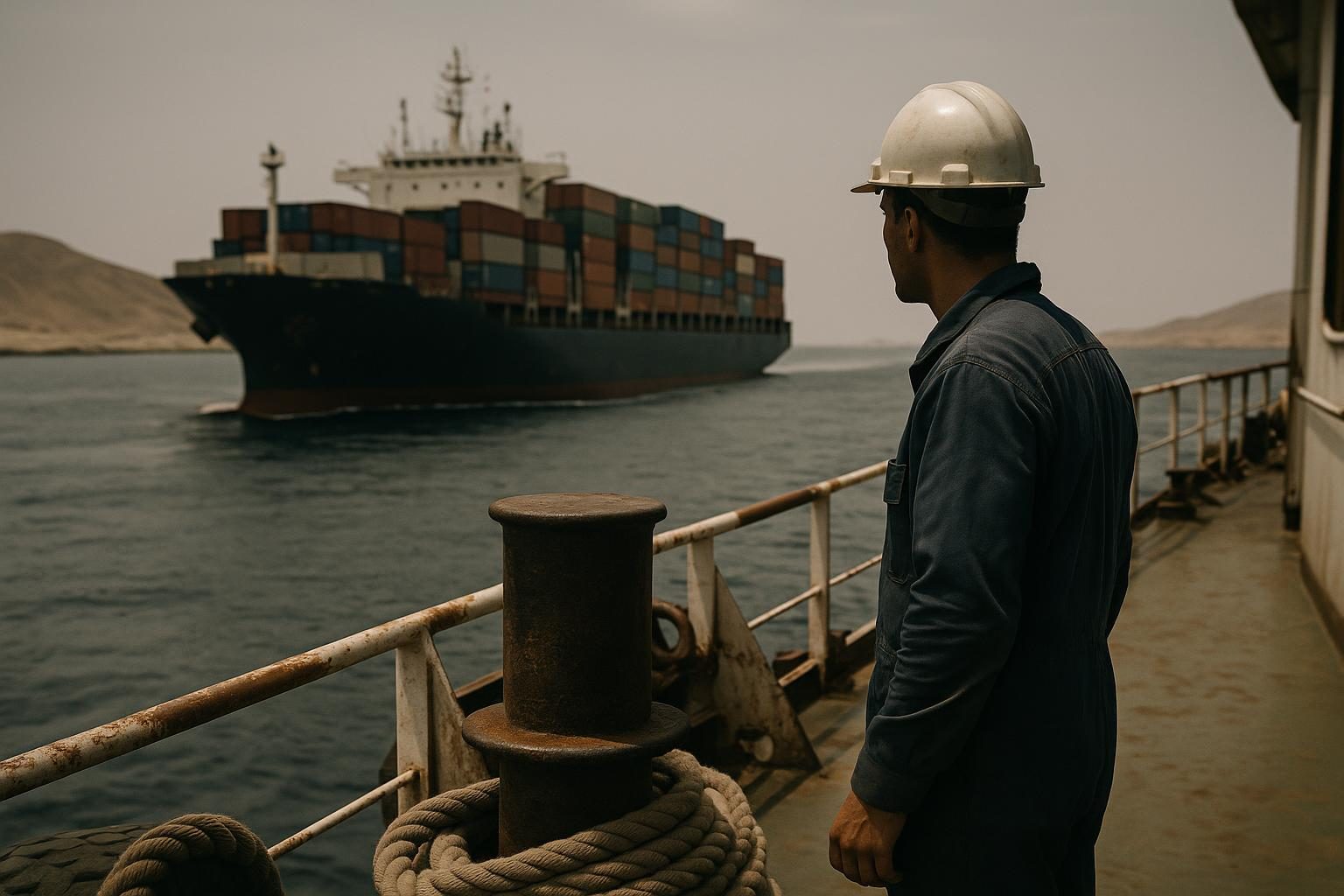
In the charged arena of Middle Eastern geopolitics, the narrow waterway of the Bab el-Mandeb Strait has become a critical pressure point. Iran's latest maneuver, instructing Yemen's Houthi movement to prepare for its closure, sends ripples far beyond the Red Sea, signaling a perilous new phase in global energy security. This development has not only escalated tensions but also posed severe threats to the stability of international maritime shipping routes and energy markets.
A Strategic Chokepoint
The Bab el-Mandeb serves as a vital artery for global trade, connecting the Red Sea to the Gulf of Aden. It is a strategic chokepoint through which millions of barrels of oil pass each day, making it indispensable to international shipping and energy supply chains. Reuters reported that Iran has instructed the Houthis to potentially close this gateway if the United States targets its power infrastructure. The Houthis, entrenched in the Yemeni conflict, have reportedly positioned missiles and drones near the strait, ready to disrupt shipping lines at a moment's notice.
The Ripple Effect
The ramifications of a Bab el-Mandeb closure extend well beyond immediate shipping disruptions. With the Strait of Hormuz already in a precarious state due to Iran's actions, this move threatens to simultaneously choke off two of the Middle East's primary oil export routes. The impact on oil prices could be swift and severe, sending shockwaves across global markets already on edge amid fluctuating geopolitical tensions. Such a scenario underscores the strategic use of maritime chokepoints as leverage in Iran’s ongoing conflict with the U.S.
Le Monde noted that this latest directive reveals a calculated decision by Iran to use these marine arteries as pressure points. The Bab el-Mandeb’s closure doesn’t only threaten global energy supplies; it could destabilize regional economies and strain international relations, creating a cascading economic and political risk globally.
Maritime Monopoly: A Broader Context
The Houthis’ potential action highlights a broader discussion on the monopolization of strategic maritime routes in global geopolitics. Nations with control over such crucial corridors wield significant influence. Historically, control over chokepoints like the Suez Canal and the Panama Canal has demonstrated the power to sway geopolitical climates and control economic flows.
In this intricate dance, Iran’s strategy appears clear: by threatening these vital routes, they aim to gain leverage in broader diplomatic and military engagements. Control, or the mere threat of control, can drive nations to negotiation tables or draw them into conflict — an asymmetric approach that leverages geography within diplomatic strategy.
A Call for Robust Solutions
While some nations respond to these provocations with military presence or diplomatic negotiations, the question remains on what future solutions can sustainably mitigate such risks. The closure threat calls for international collaboration to ensure free maritime passage. Multinational naval patrols, enhanced surveillance, and unified diplomatic strategies are potential steps that could safeguard these routes.
Moreover, this situation reiterates the call for diversified energy strategies. Heavy global reliance on oil passing through these chokepoints makes the economy vulnerable to geopolitical threats. Reinforcing alternative energy infrastructures and pipelines could gradually alleviate this reliance, fostering a more resilient energy security model in the long term.
The Human Angle
Amidst the geopolitical strategizing, it's vital to remember the human toll. Yemenis, embroiled in conflict, face the compounded hardship these tensions create. Disruptions in the Bab el-Mandeb would likely exacerbate humanitarian pressures, affecting food and medical supplies in a region already reeling under strife.
This aspect brings into question the moral responsibilities of global powers in ensuring peaceful resolutions. Addressing the underlying socio-political issues in Yemen could prove crucial in diffusing tensions and fostering peace.
Future Implications
What changed: Iran's directive to the Houthis marks a significant escalation in the use of maritime chokepoints as geopolitical leverage.
Measurable implication: The potential closure of the Bab el-Mandeb Strait could disrupt millions of barrels of oil passing through daily, impacting global energy supply chains.
Next dated milestone: No dated milestone is scheduled; the signal to watch is any military or diplomatic response from the United States or its allies.
Strongest counterargument: The Houthis may not have the capability or willingness to fully close the strait, and international pressure could deter such actions. Evidence of diplomatic negotiations or de-escalation efforts would challenge the current narrative.
Sources
- Iran primes Houthis to shut Bab el-Mandeb — Splash247 · 17 July 2026
- Exclusive: Iran tells Houthis to close Red Sea gateway if US hits power network, sources say — reuters.com · date not available
- Bab Al‑Mandab Strait threatens to be new front in war with Iran — lemonde.fr · date not available
MktInvest Research is MktInvest's automated research desk. Every piece is AI-generated and machine-gated — no human byline is implied. How this works →
Get this in your inbox, weekly
The Friday digest: what changed on every market we track — stances, evidence movement and the facts behind it.
Marketing communication for informational purposes. It does not constitute financial advice or a personalised recommendation (MiFID II). Exposures are discussed at asset-class/ETF level only.