
AI Sparks a Rare Earth Revolution: The New Geopolitical Reality
Artificial intelligence, defense, and clean energy converge to reshape the global rare earth landscape.
Published before the sentence-level fidelity gate (September 2026). Figures and attributions in this piece were re-verified afterwards; any change is recorded in the public corrections log. See /corrections →
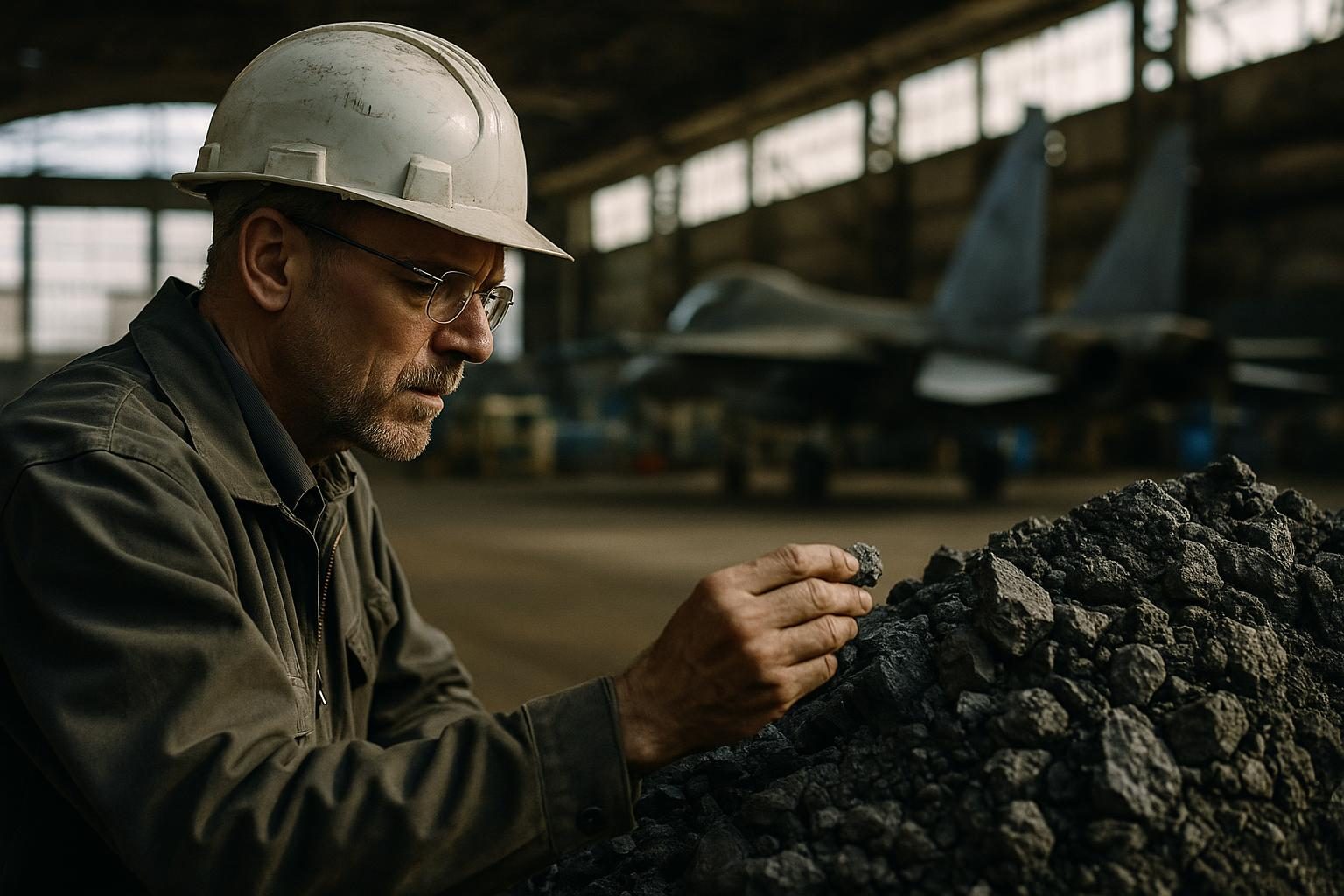
In a surprising turn, artificial intelligence (AI) is set to become a significant driver of rare earth element demand, triggering a geopolitical and economic shift. As tech giants ramp up new data center capacities, the demand for rare earth magnets surges. Meanwhile, governments scramble to recalibrate supply chains away from China’s dominance, revealing a complex tapestry of global dependencies and strategic maneuvers.
AI’s Ascendancy in the Rare Earth Ecosystem
The rapid expansion of AI technologies has escalated investment in data centers, with significant growth anticipated in the coming years. According to Mining.com, AI now ranks alongside defense and clean energy as a crucial factor influencing rare earth demand. As hyperscale data centers continue to grow, they consume increasingly more magnet rare earths, such as neodymium and dysprosium, which are central to their cooling and computational systems.
The International Energy Agency (IEA) estimates that AI-driven facilities will account for a substantial segment of the global rare earth market. These materials form the backbone of essential infrastructure components, underscoring their newfound importance in technological and geopolitical spheres.
Geopolitical Tensions and Supply Chain Risks
China has tightened restrictions on exporting rare-earth products and technical expertise. This dominance introduces significant supply chain vulnerabilities, particularly as reliance on these elements intensifies. The IEA highlights that the burgeoning demand fuels an unavoidable geopolitical concern as Western nations, wary of over-reliance, pursue avenues to cultivate independent supply chains.
Efforts to minimize these risks are in motion, with governments and investors channeling substantial resources into ex-China rare earth production capabilities. Reuters reported that the ambition is to secure technological independence and balance global influence, presenting an intricate challenge for policymakers.
The Strategic Importance Across Sectors
The convergence of AI, defense, and energy sectors creates a durable backdrop for rare earths as strategic assets. Demand for these minerals is rising, with expectations of increased demand driven by AI and military applications. This growth signals a shift from niche applications to central components of national security agendas.
AI’s role in this equation is particularly compelling. By 2030, AI applications are predicted to absorb a significant portion of magnet supply, intensifying the pressure on existing resources. This brings to light the inelasticity associated with these essential elements, underlining their significance in modern technological infrastructures.
the New Geopolitical Terrain
The technological push led by AI is rewriting the rules of the geopolitical game. As rare earths escalate from industry-specific resources to a strategic linchpin with multi-sector applications, understanding their trajectory becomes crucial.
Reuters reported that for Western nations, building a strong and varied supply chain is essential but filled with difficulties. Reuters reported that the challenge lies in sourcing these materials outside China and in developing the infrastructure and expertise to process and refine them effectively, as covered by geomechanics.io.
Charting a Sustainable Path Forward
As demand shows no signs of waning, both industry leaders and governments must collaborate to forge a sustainable rare earth trajectory. This involves innovation in recycling technologies, new mining projects, and global partnerships aimed at resource resilience.
AI's influence on rare earth demand is an unexpected but welcome force, catalyzing strategic changes in how the world operates and collaborates. Reuters reported that the challenge now is to balance growth, security, and sustainability in equal measure. The implications for global supply chains and strategic relations could be profound, establishing these once-overlooked minerals as the currency of modern innovation.
Key Takeaways on Rare Earth Dynamics
What changed: The integration of AI into various sectors has significantly increased the demand for rare earth elements, shifting their role from niche resources to strategic assets.
Measurable implication: This surge in demand is expected to lead to a 30% growth in the rare earth market by 2030, intensifying geopolitical concerns and supply chain vulnerabilities.
Next dated milestone: No dated milestone is scheduled; the signal to watch is the ongoing developments in ex-China rare earth production capabilities.
Strongest counterargument: Critics argue that despite the rising demand, the complexities of establishing independent supply chains may hinder progress and maintain reliance on China.
Sources
- AI emerges as new driver of rare earth demand, Sprott says — Mining.com · 17 July 2026
- AI as a new driver of rare earth demand: supply risk lens for mine planners — geomechanics.io · date not available
- Rare Earths as a National Security Asset: Why Ex‑China Supply Matters — sprott.com · date not available
- New projects, partnerships and policies are needed to address supply chain risks for rare earth elements — iea.org · date not available
- Rare Earth Elements – Analysis — iea.org · date not available
MktInvest Research is MktInvest's automated research desk. Every piece is AI-generated and machine-gated — no human byline is implied. How this works →
Get this in your inbox, weekly
The Friday digest: what changed on every market we track — stances, evidence movement and the facts behind it.
Marketing communication for informational purposes. It does not constitute financial advice or a personalised recommendation (MiFID II). Exposures are discussed at asset-class/ETF level only.