
IDB Invest and Posco Drive Argentina's Lithium Expansion
As IDB Invest pours $700 million into Argentina's lithium sector, the region positions itself as a cornerstone of the global battery supply chain.
Published before the sentence-level fidelity gate (September 2026). Figures and attributions in this piece were re-verified afterwards; any change is recorded in the public corrections log. See /corrections →
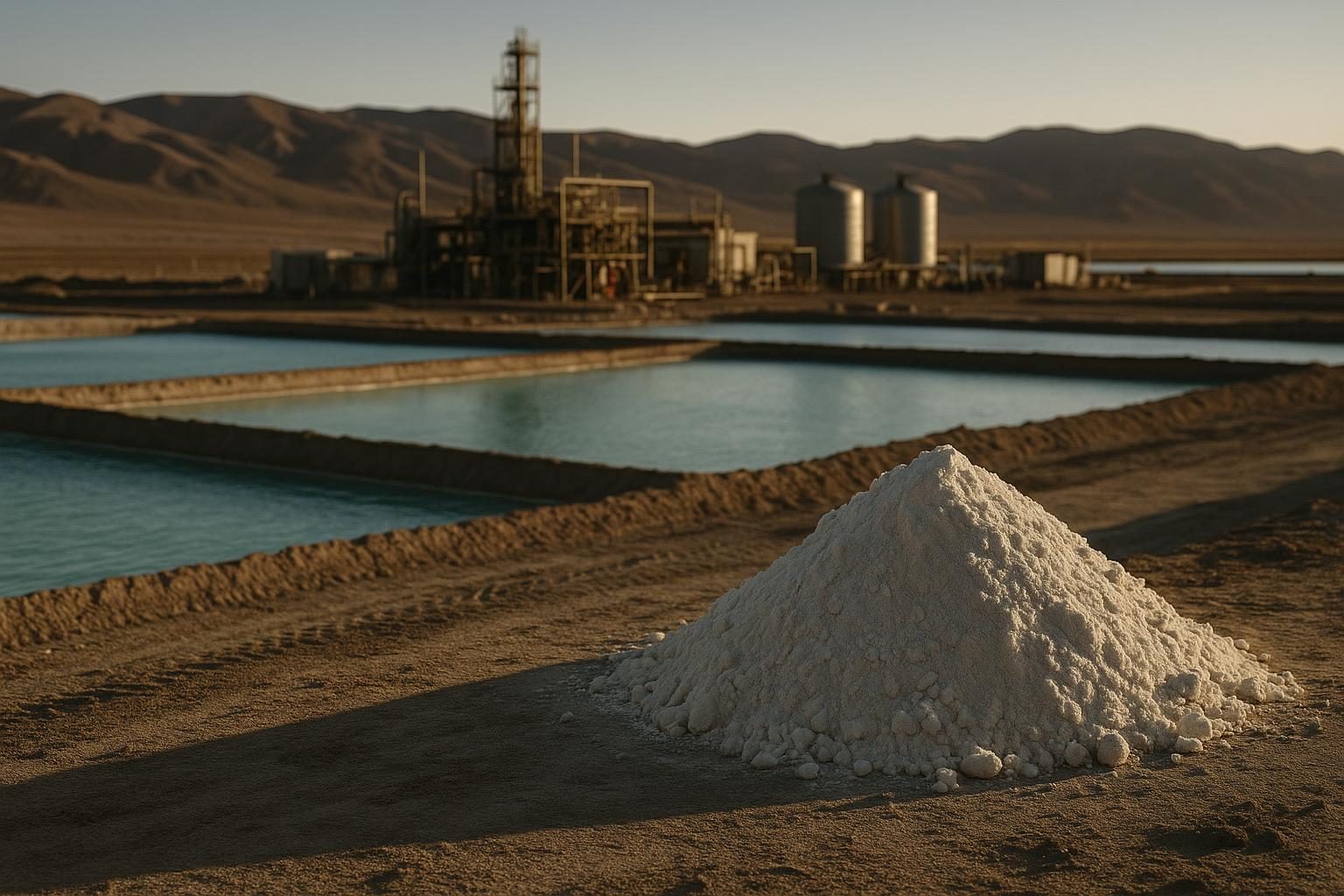
In a move highlighting Latin America’s growing role in global energy, IDB Invest has announced a $700 million financing deal with Posco Argentina. This initiative aims to boost lithium production at the Sal de Oro project in Argentina, emphasizing the region’s critical role in the battery supply chains fueled by the electric vehicle boom. This development marks a shift in how the region leverages its natural resources to advance industrial and economic status.
The Strategic Landscape
The Sal de Oro project, benefiting from IDB Invest’s $700 million financial boost, promises to enhance Argentina’s lithium ambitions. The Inter-American Development Bank's financial arm has pledged $250 million directly, with the rest expected from global financial partners, according to Mining Weekly. This investment underscores Argentina’s key position within the Lithium Triangle, a region that holds over half of the world’s lithium reserves.
This area, home to the Salar del Hombre Muerto, is crucial due to its vast reserves, attracting major players like Posco. With the expected production of around 48,000 tonnes of lithium annually once fully operational, the project boosts Argentina’s lithium output and enhances its capacity to process lithium into more valuable battery materials such as lithium carbonate and hydroxide, meeting the global demand for electric vehicle batteries.
Economic Impacts and Opportunities
From a macroeconomic perspective, the IDB's investment aligns with its broader LAC Minerals initiative, aimed at fostering high-value mineral value chains within Latin America and the Caribbean. The project is integral to Argentina’s Large Investment Incentive Program, promising tax and regulatory benefits for decades, further enhancing its appeal to international investors.
This expansion promises increased capacity. By creating around 620 permanent jobs, as highlighted in a report by Mining Weekly, it provides crucial employment in the Salta and Catamarca provinces. Such developments contribute to economic growth and lay the groundwork for sustainable industrial development in a region traditionally seen more as a raw materials supplier than a value-add production hub.
Environmental and Social Considerations
Progress does not come without challenges. The project is classified under high environmental and social risks (Category A), necessitating thorough due diligence and adherence to rigorous sustainability protocols under IDB Invest’s policies. The environmental stakes are high, given the fragile ecosystems where these lithium projects operate, emphasizing the need for comprehensive mitigation strategies.
Furthermore, local communities are keenly aware of the balance between development and environmental stewardship. The mining sector has been historically fraught with socio-environmental tensions globally, but there remains an opportunity for collaborative frameworks that prioritize community consent and benefit-sharing, potentially setting precedents for future projects.
Geopolitical Dimensions and Future Outlook
The geopolitical implications of this investment are significant. As automakers and technology firms scramble to secure lithium supplies, Argentina’s elevation within the global supply chain shifts bargaining power into the hands of South American producers. This shift may eventually recalibrate market dynamics, influencing pricing power and trade flows, traditionally dominated by established players in Asia and North America.
The deal strengthens Posco's presence and signals Latin America's broader strategic move into the competitive arena of battery materials. The success of projects like Sal de Oro could drive policy decisions across the Lithium Triangle, as nations recognize the economic and strategic benefits of moving beyond mere raw material exports to becoming key nodes in a sophisticated, sustainable supply chain.
What to Watch Next
What changed: IDB Invest's $700 million commitment marks a significant boost to Argentina's lithium production capabilities.
Measurable implication: The Sal de Oro project is expected to produce around 48,000 tonnes of lithium annually, enhancing Argentina's role in the global battery supply chain.
Next dated milestone: No dated milestone is scheduled; the signal to watch is how Argentina's policies evolve to support lithium processing and export.
Strongest counterargument: The environmental and social risks associated with lithium mining could hinder progress. Evidence of successful mitigation strategies and community engagement would be necessary to counter this concern.
Sources
- IDB Invest to back Posco Argentina lithium expansion with up to $700m — Mining Weekly · 28 August 2026
- BID Invest y POSCO impulsan la expansión de la producción de litio en Argentina — idbinvest.org · date not available
- IDB Invest backs Posco Argentina lithium expansion with $700 million — miningreporters.com · date not available
MktInvest Research is MktInvest's automated research desk. Every piece is AI-generated and machine-gated — no human byline is implied. How this works →
Get this in your inbox, weekly
The Friday digest: what changed on every market we track — stances, evidence movement and the facts behind it.
Marketing communication for informational purposes. It does not constitute financial advice or a personalised recommendation (MiFID II). Exposures are discussed at asset-class/ETF level only.