
Venezuela's Potential Exit from OPEC Raises Questions
As Venezuela contemplates leaving OPEC, a profound geopolitical shift toward U.S. influence seems to be emerging.
Published before the sentence-level fidelity gate (September 2026). Figures and attributions in this piece were re-verified afterwards; any change is recorded in the public corrections log. See /corrections →
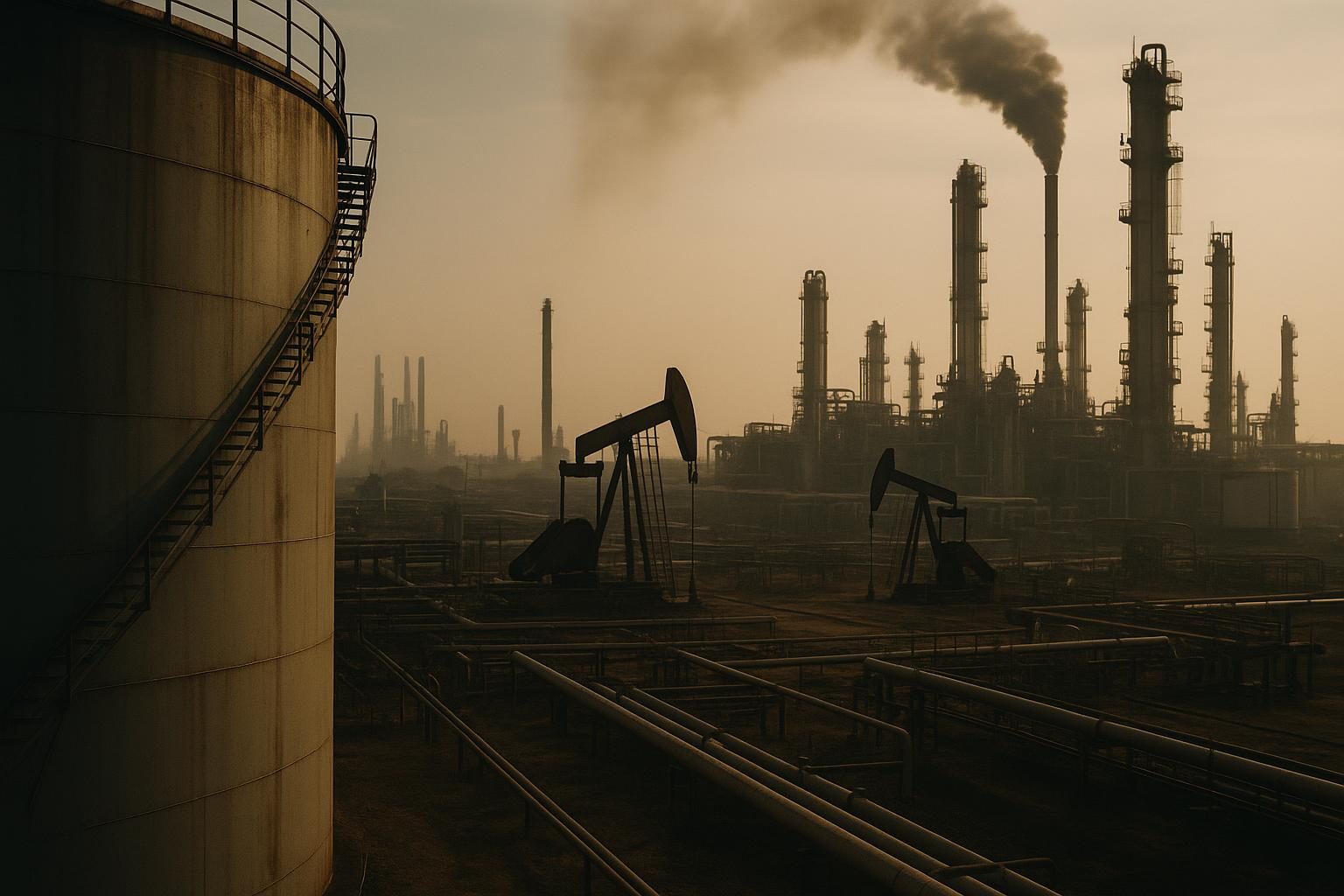
The Organization of the Petroleum Exporting Countries (OPEC) has been a key player in controlling oil supply and prices. However, Venezuela, a founding member, is contemplating leaving, which could have significant implications for global oil markets. This move, supported by Washington, might increase U.S. influence in the energy sector.
The Historical Weight of Venezuela in OPEC
Venezuela's involvement in OPEC is both historical and symbolic. As a founding member in 1960, Venezuela helped shape the cartel's policies. Bloomberg reported that internal discussions suggest a possible departure, reflecting a broader political realignment with the United States.
For OPEC, Venezuela's potential exit occurs amid existing tensions. The recent departure of the United Arab Emirates and unrest among members like Iraq indicate weakening cohesion, suggesting that the era of unified strategy may be ending.
U.S. Influence and Venezuelan Realignment
Venezuela’s possible exit from OPEC highlights a geopolitical shift towards U.S. influence. Discussions with U.S. officials, noted by Bloomberg Línea, suggest a deeper realignment. This was unexpected a few years ago, given past strained relations due to sanctions and political differences.
For the U.S., involvement in Venezuela's oil sector could reduce OPEC's influence over global oil narratives. Some strategists envision a future where collaboration with Venezuela alters the global oil power balance, turning potential adversaries into partners.
Fragmentation and Global Oil Market Consequences
The fragmentation within OPEC, highlighted by Venezuela's potential withdrawal, poses risks to the cartel's influence. Internal divisions challenge its ability to manage global supply. As more countries pursue independent paths, OPEC's control over production targets could weaken, leading to increased competition and potentially volatile oil prices.
Venezuela's output, though 1.117 million barrels per day in July, is modest globally. However, its strategic location and potential for increased production make it a key player if international investments grow.
The Future of International Oil Collaborations
Despite reduced production due to economic challenges, Venezuela remains attractive to international oil companies. Exiting OPEC could lead to increased foreign investment in its oil sector. Global firms are eager to explore new opportunities, especially as the world diversifies its energy resources.
These discussions and decisions will shape Venezuela’s future role in the energy landscape and influence the global oil market's evolution. If more nations, dissatisfied with OPEC’s politics, choose independent paths, new alliances could emerge, reshaping traditional power structures.
In the broader context of oil politics, Venezuela's deliberations are more than a national decision. They reflect a changing world where alignments are redefined, and traditional oil powers may need to renegotiate their influence. As Caracas considers its next steps, the implications for OPEC and the global energy market are significant.
The Implications of Venezuela's Decision
What changed: Venezuela's contemplation of leaving OPEC marks a shift towards aligning with U.S. interests, breaking from its historical role.
Measurable implication: Venezuela's potential exit from OPEC could lead to increased foreign interest in its oil sector, given its strategic location and production potential.
Next dated milestone: No dated milestone is scheduled; the signal to watch is Venezuela's official decision regarding its OPEC membership.
Strongest counterargument: The best case against this read is that Venezuela might remain in OPEC to maintain influence within the cartel. Evidence of renewed cooperation with OPEC members could challenge the current trajectory.
Sources
- Venezuela Helped Build OPEC. Now It May Help Break It Apart — OilPrice.com · 28 August 2026
- Venezuela Weighs OPEC Exit as US Discusses Oil Fields Stake — bloomberg.com · date not available
- Venezuela weighs OPEC exit as producer group faces growing fragmentation — worldoil.com · date not available
MktInvest Research is MktInvest's automated research desk. Every piece is AI-generated and machine-gated — no human byline is implied. How this works →
Get this in your inbox, weekly
The Friday digest: what changed on every market we track — stances, evidence movement and the facts behind it.
Marketing communication for informational purposes. It does not constitute financial advice or a personalised recommendation (MiFID II). Exposures are discussed at asset-class/ETF level only.