
Canada Faces 20-Year Mine Development Challenge
As global demand for critical minerals surges, Canada’s extended mine development timeline may leave billions stranded.
Published before the sentence-level fidelity gate (September 2026). Figures and attributions in this piece were re-verified afterwards; any change is recorded in the public corrections log. See /corrections →
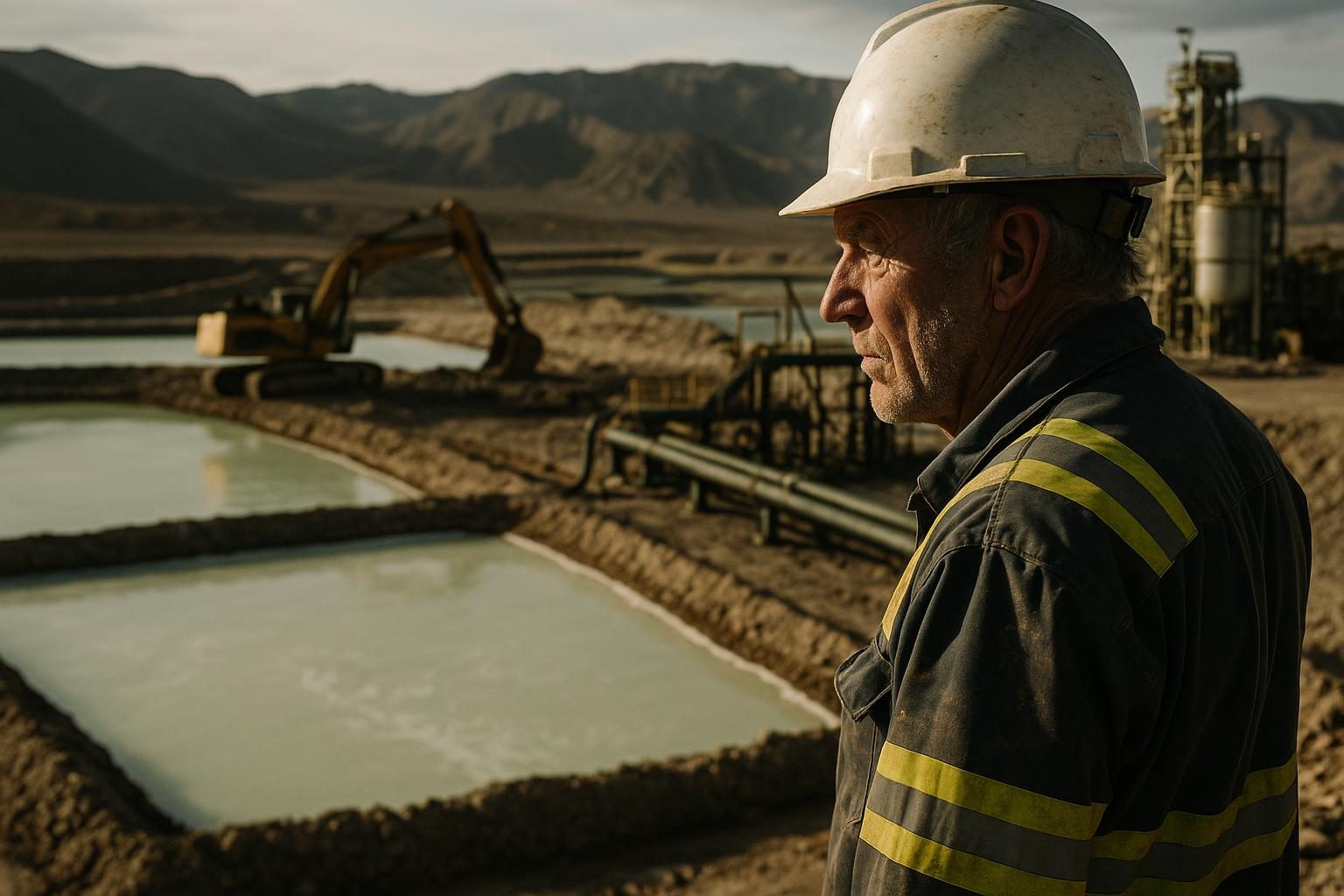
Canada, known for its geological abundance, faces a paradox in realizing its mining potential. With a mine development timeline stretching over two decades, Canada is lagging behind faster competitors like Australia. This bureaucratic molasses could threaten over C$11 billion in critical minerals investment, potentially fracturing Canada's position in the global minerals supply chain.
The Cost of Complexity
As the world intensifies its search for critical minerals to fuel the digital and green revolutions, Canada’s potential is undeniable. Yet turning this potential into reality has become an exercise in endurance. Mining.com reported that PwC Canada’s Mine 2026 report reveals it takes approximately 20 years to permit and build a mine in Canada, compared to just 14 in Australia. This prolonged timeline is driven by a web of federal and provincial assessments that create uncertainty for investors.
Monica Banting of PwC Canada explained to MINING.COM that “Canada has world-class geology, but projects must move through a complex system of assessments and permitting requirements.” This intricate system, coupled with costly operating conditions, presents a substantial barrier to critical minerals investment.
Navigating the Bureaucratic Labyrinth
Competing on a global stage requires more than geological richness. The challenges of the Canadian mining sector lie in its regulatory morass, which seems to bind projects in a slow dance of paperwork. High operating costs and cumbersome processes further deter potential investment. To remain competitive, the industry has called for time-bound decisions, reduced review duplications, and the introduction of "concierge" contacts to assist with permitting.
Proposed solutions aim to streamline the process, such as digital permitting tools and stronger equity-sharing mechanisms with Indigenous communities. These reforms could speed up project execution, addressing a significant competitiveness issue.
The Global Stakes of a Permit
The issue is as global as it is local. The international race for critical minerals, like lithium, essential for batteries and renewable technology, highlights a geopolitical tangle where countries with efficient permitting systems scale faster in meeting soaring demands. PwC warns that Canada risks losing projects to countries like Australia and the US, where policies are increasingly investor-friendly.
With nearly 140 mining projects in planning or proposal stages, valued at over $117 billion, the stakes for Canada’s economy are substantial. These projects are crucial for both national growth and the global push towards sustainable energy solutions.
Balancing Act: Environment and Economy
Amid calls for faster permitting, environmental concerns remain significant. Canada’s approach reflects an attempt to balance economic growth with ecological stewardship. As Canada introduces the Mine Permit Navigator, an initiative aimed at streamlining federal processes, it must ensure that regulatory acceleration does not come at the expense of environmental safety and community impact.
Geomechanics.io highlights the need for Indigenous partnerships as stakeholders in shaping development processes and sharing benefits. Such collaborations are crucial for maintaining social licenses that are vital for project success.
A Strategic Crossroads
What changed: Canada’s mining sector faces a critical challenge with its lengthy permitting process, risking its competitive edge.
Measurable implication: Canada's extended mine development timeline could jeopardize over C$11 billion in critical minerals investment.
Next dated milestone: No dated milestone is scheduled; the signal to watch is Canada's policy adjustments and their impact on project timelines.
Strongest counterargument: Critics may argue that the lengthy process ensures environmental and community safeguards. Evidence of successful, sustainable projects completed under current regulations could support this view.
Sources
- Canada’s 20-year mine timeline hits multibillion-dollar wall — Mining.com · 10 July 2026
- Canada’s 20‑year mine timeline: project risk and permitting fixes for engineers — geomechanics.io · date not available
- From potential to production | PwC Canada BC Mine report — pwc.com · date not available
MktInvest Research is MktInvest's automated research desk. Every piece is AI-generated and machine-gated — no human byline is implied. How this works →
Get this in your inbox, weekly
The Friday digest: what changed on every market we track — stances, evidence movement and the facts behind it.
Marketing communication for informational purposes. It does not constitute financial advice or a personalised recommendation (MiFID II). Exposures are discussed at asset-class/ETF level only.