
Kazakhstan's Nuclear Plant Deal with Rosatom Marks Strategic Shift
The new Balkhash nuclear plant signals a pivotal shift in Kazakhstan's energy strategy, reflecting broader geopolitical currents in Central Asia.
Published before the sentence-level fidelity gate (September 2026). Figures and attributions in this piece were re-verified afterwards; any change is recorded in the public corrections log. See /corrections →
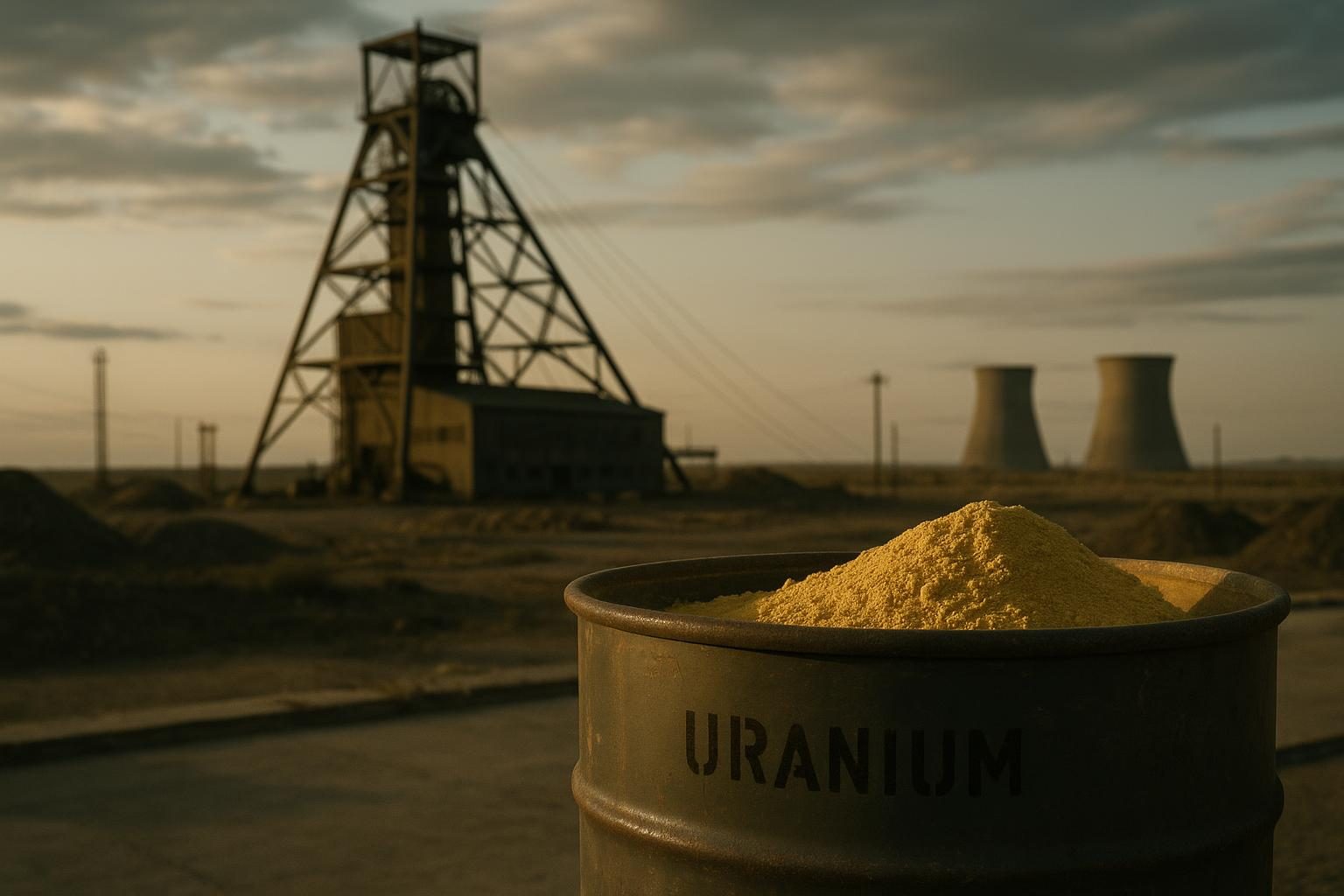
Kazakhstan's recent commitment to embarking on its first nuclear power journey through a monumental deal with Russia's Rosatom is more than an engineering milestone. It represents a realignment of geopolitical and energy strategies that reverberate beyond its borders. As the world's major uranium producer, Kazakhstan’s foray into nuclear energy isn't solely about power generation; it changes regional dynamics and reinvigorates historic alliances.
Building the Future, Rewriting the Past
Kazakhstan's power generation is on the brink of transformation. With the signing of the Engineering, Procurement, and Construction (EPC) contract between Rosatom and Kazakhstan Nuclear Power Plants LLP, the groundwork has been laid for the Balkhash Nuclear Power Plant. This leap, employing two VVER-1200 reactors to contribute approximately 2.4 GW, marks a significant stride, anticipated to account for around 9% of the country's existing power capacity.
The cost is pegged at around USD 16.4 billion, part of which will be financed by a Russian state loan. This alignment of financial and technical assets signals renewed cooperation reminiscent of Soviet-era connections, yet with a distinctly 21st-century strategic outlook.
The decision reflects rising domestic and global pressures to reduce carbon emissions, a fact emphasized by a 2024 referendum where over 70% of Kazakh voters backed nuclear power. With natural gas reserves becoming harder to tap and the volatility of fossil fuel markets, the nuclear option represents a stable and clean energy alternative.
Geopolitical Underpinnings
Kazakhstan’s alignment with Russia through this nuclear venture is a complex exercise in diplomacy. While it draws closer to Moscow by selecting Rosatom, beating out international players like China's CNNC and France's EDF, the move concurrently galvanizes Kazakhstan's autonomy in energy production. Interfax.kz notes this decision as part of a carefully calibrated diversification strategy, balancing Russian assistance with internal resource control.
Oil-rich Central Asia has historically been a geopolitical arena for energy-hungry nations. By embedding its energy strategy into nuclear capabilities, Kazakhstan solidifies its regional importance and diversifies its energy mix, leaning into the future that beckons for a global transition away from fossil fuels.
From Uranium Exporter to Nuclear Stakeholder
Though Kazakhstan has been the world leader in uranium production for years, the decision to harness this for domestic nuclear energy is transformative. This shift aligns with global trends, as countries revisit nuclear energy amidst mounting environmental imperatives.
Producing uranium and using it domestically can stabilize Kazakhstan’s economic returns while reducing exposure to the erratic global commodity markets. It offers synergy in resource use and upscales national industrial capabilities in nuclear tech. These efforts echo the broader ambition within Kazakhstan’s strategic policy to "sell the ore" and command a significant role along the nuclear value chain.
Environmental and Human Stakes
Building the Balkhash plant isn't merely an economic endeavor; it's a national commitment to sustainable development and an emblem of prospective environmental stewardship. With over 60 boreholes already sampled along Lake Balkhash, site selection, as reported by the World Nuclear News, has been meticulous—a symbolic nod to both environmental caution and high-tech precision.
Nevertheless, the plant's establishment faces logistical challenges and public scrutiny. Historical unease, rooted in Soviet nuclear projects, necessitates transparent risk assessments and robust community engagement. The move is fraught with anticipatory energy, as communities reckon with the promise of low-carbon energy juxtaposed against risk aversion rooted in Cold War legacies.
Implications for Central Asia and Beyond
Kazakhstan’s nuclear engagement is a bellwether for Central Asian energy dynamics, suggesting an increased regional tilt towards nuclear options. With Rosatom at the helm, the infrastructural partnership extends Russia's soft power into Kazakhstan, a nod towards cooperative dependency and mutual strategic interest.
For neighbors contemplating similar paths, Kazakhstan’s project sets a benchmark in international cooperation and local execution. It offers a template for combining regional resource use with global partnership models, as evidenced by Rosatom's previous ventures in Turkey and Egypt.
As Kazakhstan charts this course, the Eurasian heartland, rich in resources and strategic connections, plays host once more to geopolitical recalibrations with implications that ripple far beyond its borders. The Balkhash plant isn't just about lighting up Kazakhstan’s cities; it’s about a future in which energy sits at the center of Central Asian geopolitics.
The Next Steps in Kazakhstan's Nuclear Journey
What changed: Kazakhstan's agreement with Rosatom marks a strategic shift towards nuclear energy, enhancing its energy independence and geopolitical influence.
Measurable implication: The planned two reactors will add approximately 2.4 GW to Kazakhstan's power capacity.
Next dated milestone: No dated milestone is scheduled; the signal to watch is the progress of construction and any shifts in regional energy policies.
Strongest counterargument: Critics argue that reliance on Russian technology and financing could limit Kazakhstan's autonomy. Evidence of successful diversification in partnerships beyond Russia would challenge this view.
Sources
- Rosatom signs EPC contract for Kazakhstan nuclear plant — World Nuclear News · 3 September 2026
- Rosatom signs EPC contract for Kazakhstan's first nuclear plant — nuclearnewsnetwork.com · date not available
- Rosatom, Kazakhstan sign EPC contract for Balkhash nuclear plant — interfax.kz · date not available
MktInvest Research is MktInvest's automated research desk. Every piece is AI-generated and machine-gated — no human byline is implied. How this works →
Get this in your inbox, weekly
The Friday digest: what changed on every market we track — stances, evidence movement and the facts behind it.
Marketing communication for informational purposes. It does not constitute financial advice or a personalised recommendation (MiFID II). Exposures are discussed at asset-class/ETF level only.