
China Halts Rare Earth Exports to the U.S. Amid Rising Tensions
China's rare earth export freeze highlights the intricate geopolitical game centered on critical minerals.
Published before the sentence-level fidelity gate (September 2026). Figures and attributions in this piece were re-verified afterwards; any change is recorded in the public corrections log. See /corrections →
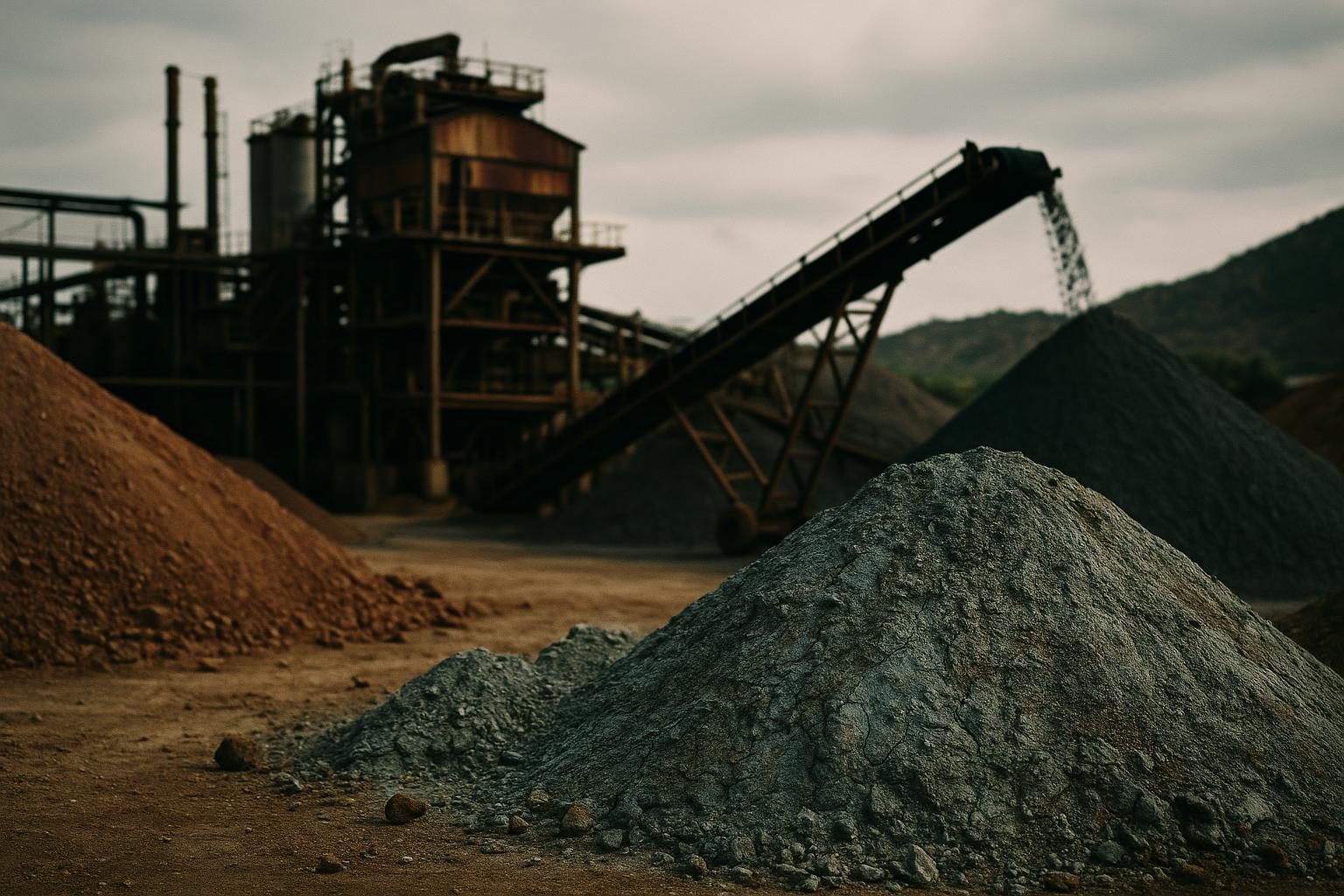
In global politics, minerals can shout louder than megaphones. Months of simmering tensions between China and the United States have taken on a new dimension as Chinese rare earth producers have seemingly pressed pause on shipments to the U.S. OilPrice.com reported that although their export licenses are in order, these firms have chosen to halt exports, invoking fears of repercussions from Beijing. This maneuver comes merely weeks before Chinese President Xi Jinping and U.S. President Donald Trump are slated to meet in Washington, showcasing how rare earths have become a potent bargaining chip in the standoff.
Beijing's Strategic Play
The move to freeze rare earth shipments is a calculated message to the U.S. China has historically exercised its dominance over rare earth supplies, and the timing of this export halt is pointedly political. Dominating over 80 to 90 percent of worldwide rare earth production, China understands the leverage it holds. Rare earth elements, vital to everything from advanced electronics to national defense systems, are a critical supply chain for industrial powers.
In a 2025 strategic gamble, China imposed export restrictions on several heavy rare earths and magnets, sparking global disruptions. These decisions forced the U.S. hand, propelling American industries to scramble for alternatives as they wrestled with unreliable supplies. The timing of this latest development, just weeks before a critical diplomatic summit, seems no coincidence. It serves as a reminder of the complexities surrounding U.S.-China relations.
The American Response
Faced with the volatility of relying on a single dominant source for rare earth materials, the U.S. has tried to adapt its strategy. The unpredictable nature of China's export behavior has driven a whole-of-government approach in Washington aimed at securing a measure of independence from Beijing's grip. S&P Global noted that billions in funding were channeled into building domestic supply lines, including initiatives to establish a sustainable mine-to-magnet production process.
Price floors, guaranteed offtake agreements, and international partnerships have been crafted to diminish reliance on Chinese exports. This urgent push reflects the broader geopolitical contest, where control of critical materials equates to an advantage in technological and military capabilities, not merely economic interests.
A Broader Geopolitical Game
The present standoff is symptomatic of larger shifts in global supply chains amid increased geopolitical tensions. As ties fray and trust diminishes between global superpowers, commodities like rare earths become potent symbols of leverage and negotiation.
Interestingly, this is not solely about rare earths. Along with rare earth elements, China has imposed tighter controls on ten key U.S. firms, further complicating the already fraught trade landscape. By targeting dual-use items, Beijing extends the strategic stakes far beyond mineral exports, impacting various industries dependent on these critical resources.
Diversification as a Strategic Imperative
The urgency surrounding rare earth diversification embodies a significant shift in policy and industrial strategy. The U.S. has realized that expecting reliable rare earth flows from China is a gamble and has shifted towards establishing a more resilient supply chain.
Following temporary agreements like the 2025 Busan truce, the unreliability of Chinese export flows only cemented the strategic imperative for alternatives. Despite attempts at collaboration, Center for Strategic and International Studies reported that trust in these temporary halts remains strained, showcasing the enduring power dynamics in play.
This reflects a scramble for resources and signals a broader geopolitical struggle for autonomy, technological advancement, and global influence. It’s clear that rare earths are more than metals buried in the ground—they are potent tools wielded for strategic advantage in a rapidly changing global order.
The Next Steps in the Rare Earth Standoff
What changed: China's decision to halt rare earth exports to the U.S. marks a significant escalation in the geopolitical tension between the two nations.
Measurable implication: China dominates over 80 to 90 percent of worldwide rare earth production, highlighting its significant control over these critical resources.
Next dated milestone: No dated milestone is scheduled; the signal to watch is the outcome of the upcoming summit between President Xi and President Trump.
Strongest counterargument: Some argue that China's export halt could backfire by accelerating U.S. efforts to diversify and develop alternative supply chains, potentially reducing China's long-term influence.
Sources
- China Rare Earth Firms Freeze U.S. Exports Weeks Before Xi-Trump Summit — OilPrice.com · 4 September 2026
- Rare Earth Export Restrictions One Year Later — csis.org · 27 April 2026
- China tightens rare earth export curbs on 10 US companies — spglobal.com · date not available
MktInvest Research is MktInvest's automated research desk. Every piece is AI-generated and machine-gated — no human byline is implied. How this works →
Get this in your inbox, weekly
The Friday digest: what changed on every market we track — stances, evidence movement and the facts behind it.
Marketing communication for informational purposes. It does not constitute financial advice or a personalised recommendation (MiFID II). Exposures are discussed at asset-class/ETF level only.