
Australia to Export Uranium to India Under New Agreement
Australia’s uranium export agreement with India marks a strategic pivot, reshaping nuclear energy diplomacy under strict safeguards.
Published before the sentence-level fidelity gate (September 2026). Figures and attributions in this piece were re-verified afterwards; any change is recorded in the public corrections log. See /corrections →
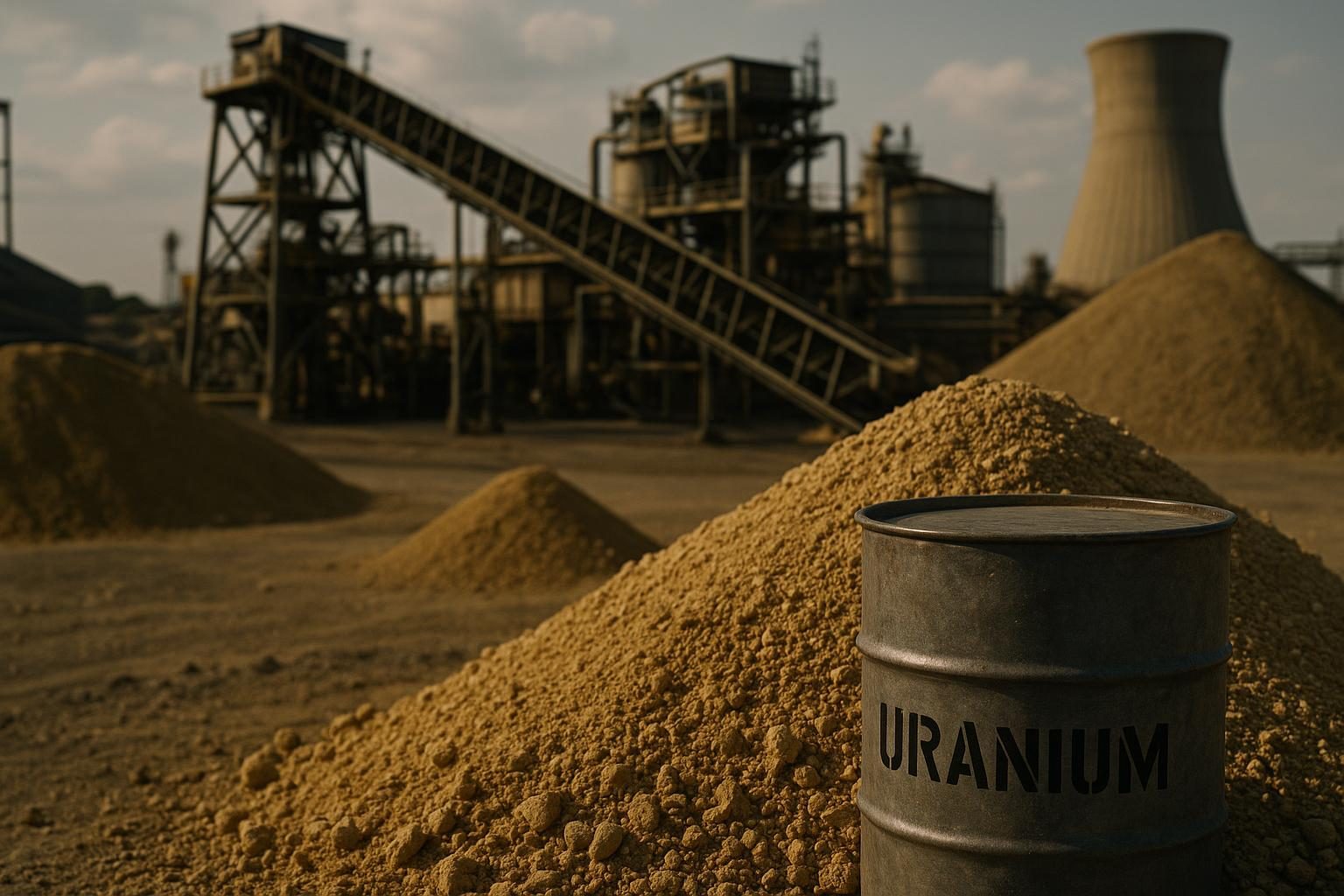
During a recent visit by Indian Prime Minister Narendra Modi to Australia, a monumental agreement was inked: Australia is set to export uranium to India, a move unlocking new civilian supply channels in global nuclear energy diplomacy. This agreement satisfies the procedural requirements of a nuclear cooperation pact signed over a decade ago and aligns with global non-proliferation standards. This development is a strategic milestone that could redefine energy and geopolitical dynamics across continents.
A Milestone in Nuclear Cooperation
Australia’s decision to commence uranium exports to India under strict safeguards is a calculated move in a tense geopolitical standoff. This could provide a significant boost to India’s ambitious nuclear energy program, which seeks to expand its capacity to 100 gigawatts by 2047. This demand opens a major market opportunity for Australia, the world’s fourth-largest uranium producer.
The deal includes a substantial contract with Cameco, a prominent Canadian uranium company, to supply nearly 22 million pounds of uranium ore concentrate to India's Department of Atomic Energy. This transaction, valued at CAD2.6 billion, highlights the economic potential for Australia and solidifies its role in the global nuclear supply chain. However, India’s exemption from the Nuclear Non-Proliferation Treaty (NPT) still raises questions about safety and control.
Beyond Trade: Geopolitical Implications
The strategic roots of this agreement dig deeper than mere export statistics. This development underlies a wider strategic and economic partnership between Australia and India, cautiously charted under the Australia–India Comprehensive Strategic Partnership. Australia's support for India's inclusion in the Nuclear Suppliers Group further highlights the geopolitical nature of this deal.
With India now firmly supported in its nuclear ambitions, the balance of power in the Indo-Pacific region may experience subtle yet significant shifts. Australia’s readiness to ally with a non-signatory of the NPT for civil nuclear trade underlines a careful but assertive approach to regional power dynamics, aligning with broader critical mineral cooperation strategies.
Challenges and Opportunities in Energy Security
India faces a paradox in its energy security strategy. It has rich reserves in coal and significant renewable energy ambitions, yet its limited uranium resources have historically constrained its nuclear energy pursuits. World Nuclear News explained that India’s appeal as a nuclear market stems from its determination to expand non-fossil fuel power capability, an aspiration shared by many nations striving for carbon neutrality amid global warming threats.
For Australia, this nuclear deal presents lucrative economic opportunities alongside complex diplomatic responsibilities. Selling uranium to India means adhering to stringent export controls to ensure the material is used solely for civilian purposes. This necessitates a robust bilateral safeguards treaty to monitor compliance and encourage transparency in nuclear trade, a framework echoed in Canberra’s public assurances.
Compliance and Safeguards: A Fine Line
A critical aspect of this arrangement lies in the assurance of compliance, one closely monitored by international bodies like the International Atomic Energy Agency (IAEA). Ensuring that Australian uranium powers only peaceful projects in India requires diligent oversight and collaborative commitment from both nations, respecting the 2008 International Atomic Energy safeguards agreement that unlocked international nuclear trade for India.
This requires a nuanced dialogue between export freedoms and non-proliferation duties, a balance Australia appears determined to strike. As both nations move forward, the success of this endeavor rests upon a shared commitment to energy security, economic growth, and international peace.
Conclusion: A Strategic Pivot
What changed: Australia’s agreement to export uranium to India marks a significant shift in nuclear diplomacy, aligning with non-proliferation standards while engaging a non-NPT signatory.
Measurable implication: The agreement includes a contract to supply nearly 22 million pounds of uranium ore concentrate to India, highlighting a significant economic opportunity for Australia in the nuclear supply chain.
Next dated milestone: No dated milestone is scheduled; the signal to watch is the implementation of the bilateral safeguards treaty ensuring compliance with civilian use.
Strongest counterargument: Critics argue that India's non-signatory status to the NPT could pose risks to nuclear safety and proliferation. Evidence of strict adherence to the bilateral safeguards and international oversight would be necessary to counter these concerns.
Sources
- Australia agrees to export uranium to India — World Nuclear News · 9 July 2026
- Australia agrees to sell uranium to India, ending a long stalemate — apnews.com · date not available
- Australia, India finalise arrangements for export of Australian uranium to India — marketscreener.com · date not available
- Third Australia–India Annual Summit Joint Statement — pm.gov.au · date not available
MktInvest Research is MktInvest's automated research desk. Every piece is AI-generated and machine-gated — no human byline is implied. How this works →
Get this in your inbox, weekly
The Friday digest: what changed on every market we track — stances, evidence movement and the facts behind it.
Marketing communication for informational purposes. It does not constitute financial advice or a personalised recommendation (MiFID II). Exposures are discussed at asset-class/ETF level only.