
Nth Cycle's Project SHIELD and the US Battery Supply Chain
How a new refinery marks a turning point in America's quest for mineral independence and national security.
Published before the sentence-level fidelity gate (September 2026). Figures and attributions in this piece were re-verified afterwards; any change is recorded in the public corrections log. See /corrections →
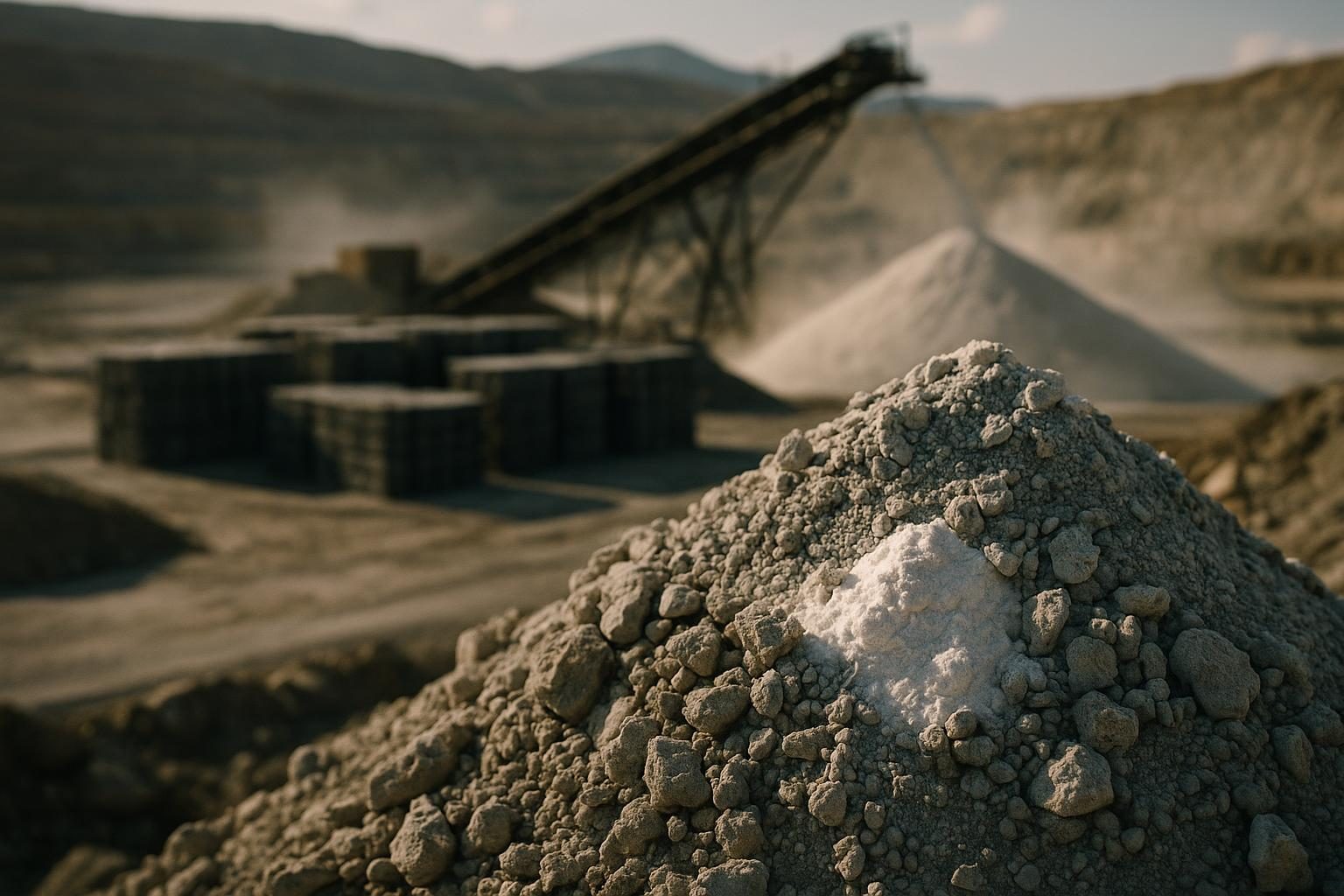
The southeastern United States, often overlooked in technological narratives, is stepping into the spotlight. With Nth Cycle’s Project SHIELD gaining attention, America is making strides toward a self-sufficient battery-material supply chain. This move could transform domestic industries and global markets. Central to this shift is black mass, the shredded remains of lithium-ion batteries, which is set to become a key component of U.S. energy strategy.
A Domestic Revolution
The U.S. Department of Energy is offering up to $100 million to develop Nth Cycle’s new black mass refining facility. This plant will be among the first in the country to refine such materials, with a capacity to process up to 24,000 metric tons annually. This initiative aligns with federal efforts to enhance domestic mineral processing and battery manufacturing, particularly under the Battery Materials Processing and Manufacturing & Recycling grant program.
The necessity for increased domestic capacity is evident. China currently dominates the refining sector, holding a near-monopoly. By gaining control, America takes a significant step toward securing resources vital for national security and economic stability. This move protects the country from geopolitical risks in an increasingly competitive environment.
Technological Innovation with Global Implications
Nth Cycle’s technological advantage lies in its electroextraction platform, OYSTER. Unlike traditional methods, this approach promises lower costs, faster deployment, and reduced emissions. industrialinfo.com reported that this innovation benefits the environment and offers a flexible manufacturing setup that can quickly adapt to demand changes.
Project SHIELD aligns with broader economic and geopolitical strategies. Funding from the DOE reflects a commitment to reshaping the global supply chain. This development sees America actively challenging China's influence over critical minerals while setting a benchmark in sustainable technology.
Trafigura's $1.1 billion binding offtake agreement for nickel and lithium products from Nth Cycle highlights the economic ripple effects. Such partnerships emphasize the commercial viability and strategic importance of the U.S. as a reliable player in critical minerals processing.
Regional Impacts and National Security
The southeastern U.S. is a strategic choice for this innovation. The construction phase is expected to generate up to 1,000 jobs, with the facility itself creating 54 permanent roles. These positions represent a shift toward a revitalized regional economy, contributing to both local and national energy independence.
The Boston Globe discussed how this development could reduce America’s reliance on foreign critical minerals. Nth Cycle’s upcoming refinery is a defense against resource-driven leverage by other nations. The project symbolizes broader policy objectives aimed at strengthening national security and technological sovereignty.
The Road Ahead
Looking forward, Project SHIELD represents policy shifts and changes in industrial landscapes. U.S. ventures into onshore refining highlight a deeper commitment to a resilient and self-sufficient future.
Challenges remain, such as securing a skilled workforce and overcoming regulatory hurdles, but the momentum is visible. By the end of 2027, as construction concludes and operations begin, the U.S. will be charting a new course in its energy and economic history.
In the realm of critical minerals, where geopolitics and technology intersect, Project SHIELD is more than a footnote. It's a statement that the U.S. is an emerging leader equipped with the tools and vision to shape its destiny.
Future Considerations
What changed: The U.S. is now actively developing its own battery-material supply chain, reducing reliance on foreign sources.
Measurable implication: The new facility's capacity to process up to 24,000 metric tons of black mass annually is a significant step toward enhancing U.S. mineral independence.
Next dated milestone: No dated milestone is scheduled; the signal to watch is the completion of construction and the start of operations.
Strongest counterargument: The reliance on existing technology and workforce challenges could hinder progress. If these issues are not addressed, the anticipated benefits may not fully materialize.
Sources
- US Department of Energy considers up to $100m grant for Nth Cycle black mass refinery — Mining Weekly · 21 August 2026
- U.S. Department of Energy Selects Nth Cycle to Enter Award Negotiations for up to $100 Million to Build New Critical Mineral Refining Facility — nthcycle.com · date not available
- Mass. startup lands federal energy grant worth up to $100 million — bostonglobe.com · date not available
- DOE Grants More Funding for Critical Minerals, Battery Materials Projects — industrialinfo.com · date not available
MktInvest Research is MktInvest's automated research desk. Every piece is AI-generated and machine-gated — no human byline is implied. How this works →
Get this in your inbox, weekly
The Friday digest: what changed on every market we track — stances, evidence movement and the facts behind it.
Marketing communication for informational purposes. It does not constitute financial advice or a personalised recommendation (MiFID II). Exposures are discussed at asset-class/ETF level only.