
China's Huaan Yifu Gold ETF Surpasses Stock Counterpart
As China's gold ETF tops its stock counterpart, a deeper narrative unfolds across markets and reserves worldwide.
Published before the sentence-level fidelity gate (September 2026). Figures and attributions in this piece were re-verified afterwards; any change is recorded in the public corrections log. See /corrections →
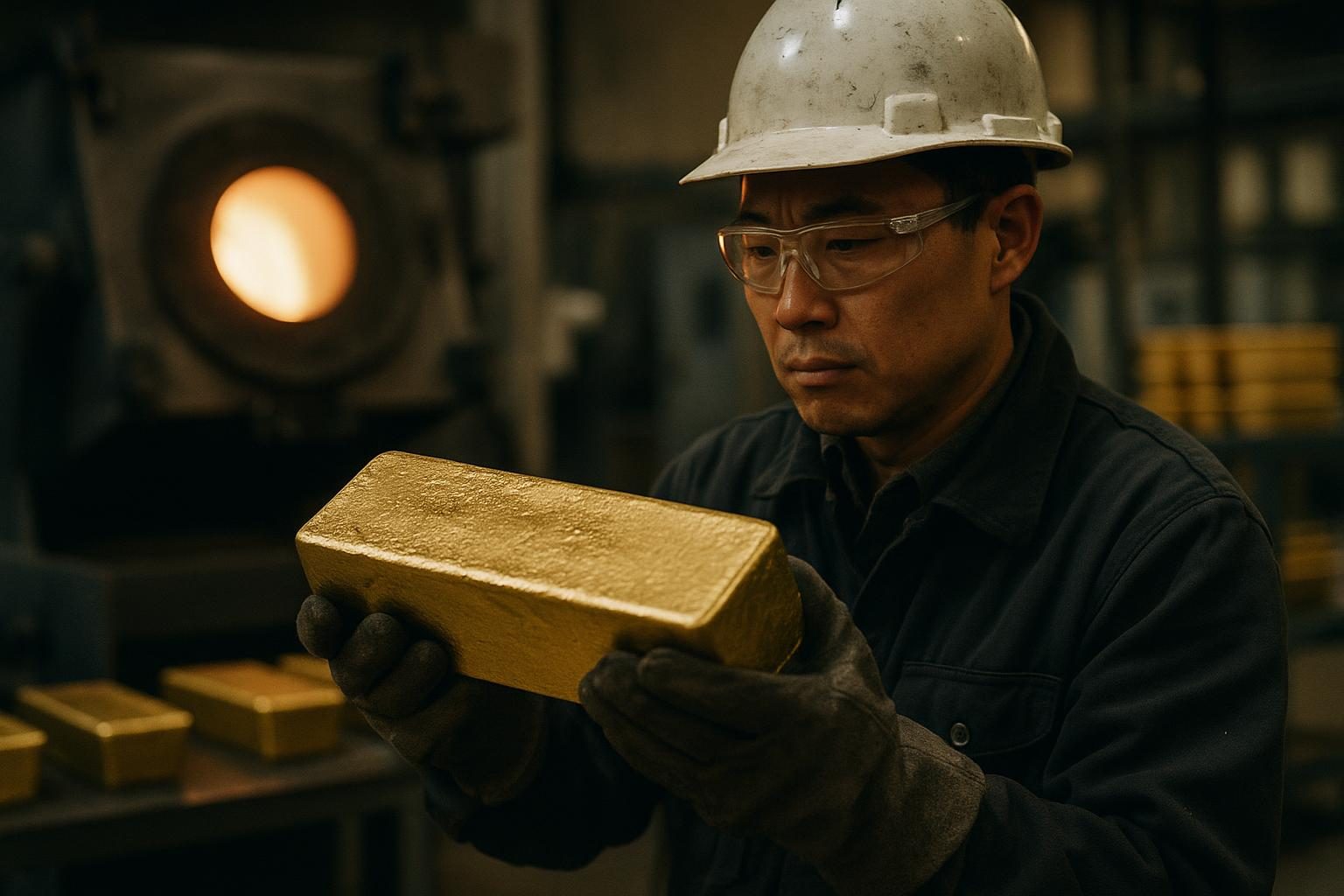
In a surprising development, China’s Huaan Yifu Gold ETF has become the largest exchange-traded fund in the country, overtaking the previously dominant Huatai-PineBridge CSI 300 ETF. This shift is not merely a change in investment preferences; it indicates a structural transformation in investor confidence amid global economic uncertainty. Additionally, central banks' significant gold purchases reflect a broader trend affecting global financial dynamics.
The Rise of Gold in China
The Huaan Yifu Gold ETF, now valued at approximately 90 billion yuan, has surpassed the CSI 300 ETF, which stands at 83 billion yuan. Business Times reported that this change highlights a declining faith in equities, which were traditionally supported by state-backed mechanisms. The "national team" of government-backed investors has been crucial in sustaining China's stock markets. However, their gradual withdrawal signals reduced official support for equities, positioning gold as a refuge amid economic volatility.
This ETF surge highlights the growing preference for safe-haven assets. With instability in the Chinese stock market and broader economic challenges, gold emerges as a stable choice, offering security where confidence has waned.
Central Banks Betting on Bullion
While China undergoes domestic changes, central banks globally are increasingly turning to gold. The World Gold Council noted that central banks added a net 41 tonnes of gold to their reserves in May, marking one of the largest monthly accumulations recently. China, contributing 10 tonnes, reflects its ongoing 20-month streak of gold accumulation.
Further purchasing in June saw China’s central bank adding another 15 tonnes despite a significant dip in gold prices, Kitco reported. This strategy highlights an intriguing divergence: institutions seem unbothered by short-term price fluctuations, aiming instead for long-term reserve stability. Poland, with its ambitious 700-tonne target, and other nations like Uzbekistan and Singapore, continue to bolster their holdings, signaling gold's perceived reliability amidst geopolitical and financial uncertainties.
A Global Repercussion
The global financial system's pivot to gold doesn't occur in isolation. Citi's recent move into bullion clearing shows confidence in gold's continued relevance in global markets. This expansion reflects broader institutional faith in gold as a resilient asset, amidst volatile equities and fluctuating global currencies.
For Western economies, this tilt could reignite discussions about dollar hegemony. The interplay between the dollar's strength and commodities priced in dollars, including gold, shapes trade dynamics and influences international monetary policy. As more countries accumulate gold, the long-term effects could alter how nations manage currency reserves and conduct international trade.
Historical and Future Implications
Historically, gold has always been a trusted reserve asset during times of upheaval. The current trajectory of accumulating gold bears resemblance to past periods where economic insecurity loomed, such as the post-Bretton Woods era.
Looking ahead, how this trend unfolds may reveal much about future economic alignments. Will we see a more diversified global reserve structure, where gold plays an integral role alongside central bank-controlled currencies? The answer could reshape investments, influencing everything from interest rates to international borrowing costs.
In essence, China's gold rush and central bank maneuvers provide a potent commentary on the current geopolitical climate. How nations respond could define fiscal strategies for decades, offering a telling glimpse into the future of global finance.
What Lies Ahead
What changed: The Huaan Yifu Gold ETF's rise above the CSI 300 ETF marks a shift in investor confidence from equities to gold.
Measurable implication: The Huaan Yifu Gold ETF's growth reflects a shift towards safe-haven assets, as state-backed support for equities diminishes.
Next dated milestone: No dated milestone is scheduled; the signal to watch is further central bank gold purchases and their impact on global reserves.
Strongest counterargument: A potential recovery in the Chinese stock market could reverse the current trend, restoring confidence in equities and reducing the allure of gold as a safe haven.
Sources
- China’s top ETF is now gold, not stocks — Mining.com · 6 July 2026
- China’s biggest ETF is now a US$13 billion gold fund as state stock market support fades — businesstimes.com.sg · date not available
- Central bank gold statistics: Central banks remain committed to gold — gold.org · date not available
- China’s central bank buys the dip, increasing gold reserves by 15 tonnes in June — kitco.com · date not available
MktInvest Research is MktInvest's automated research desk. Every piece is AI-generated and machine-gated — no human byline is implied. How this works →
Get this in your inbox, weekly
The Friday digest: what changed on every market we track — stances, evidence movement and the facts behind it.
Marketing communication for informational purposes. It does not constitute financial advice or a personalised recommendation (MiFID II). Exposures are discussed at asset-class/ETF level only.