
NexGen Energy's Rook I Project Aims for 30 Million Pounds of Uranium Annually
The launch of Saskatchewan’s Rook I Project signals a structural shift in nuclear energy supply, amid growing demand and geopolitical tension.
Published before the sentence-level fidelity gate (September 2026). Figures and attributions in this piece were re-verified afterwards; any change is recorded in the public corrections log. See /corrections →
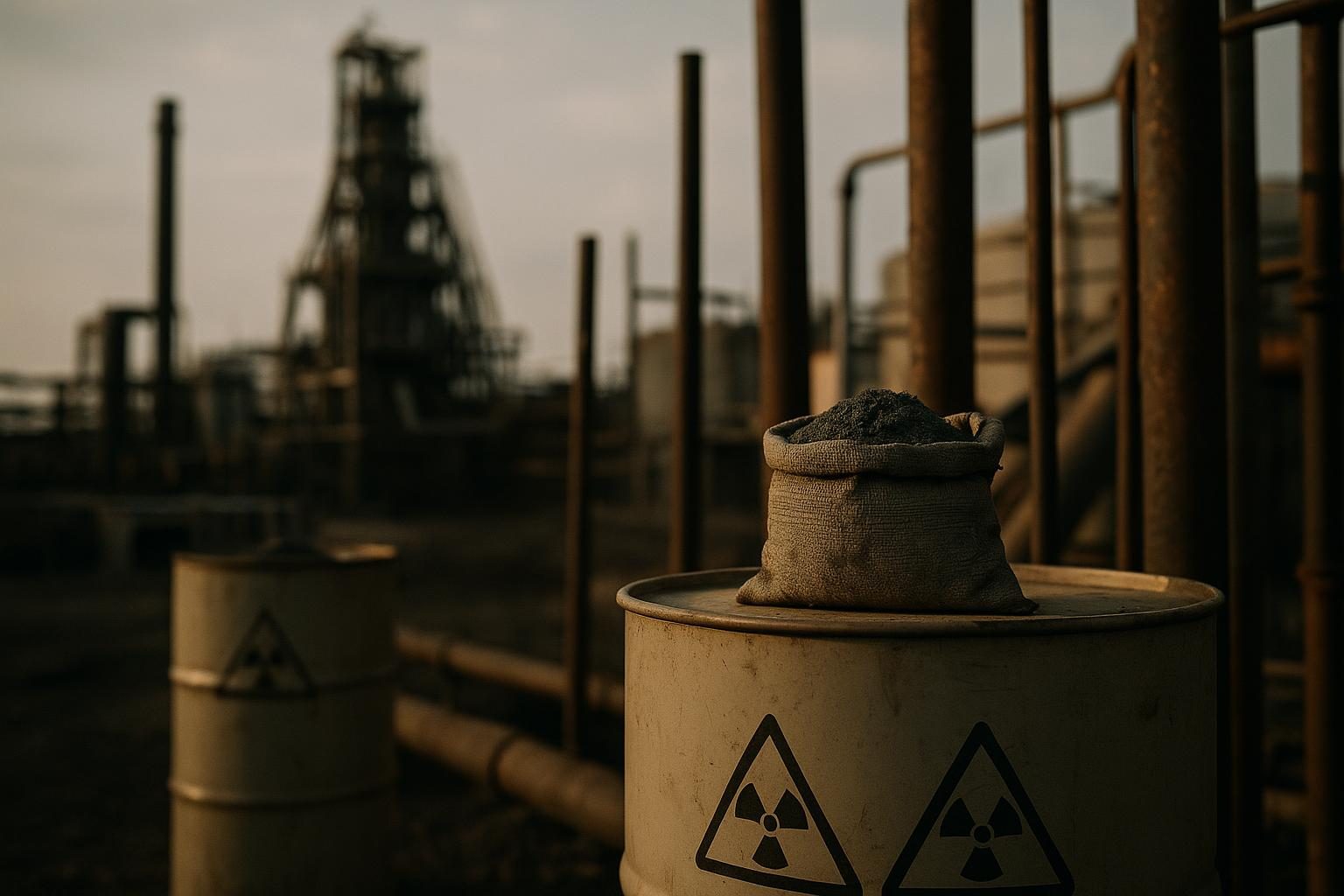
In a remote corner of Canada’s Athabasca Basin, construction has kicked off on what promises to be the world’s largest uranium mine. Reuters reported that the Rook I Project, backed by NexGen Energy Ltd, is set to transform the nuclear fuel supply, positioning Canada as a heavyweight in the industry. With a target production of 30 million pounds of uranium per year, this project could satisfy over 20% of the global demand. Reuters reported that while the mine represents a leap forward for energy security and economic growth, it also highlights the urgent dynamics of a world in transition.
More Than Just a Mine
The stakes are high for Rook I. As the largest development-stage uranium project in Canada, it has drawn the attention of industry leaders and policymakers. NexGen’s CEO, Leigh Curyer, highlighted during the groundbreaking ceremony that, “Uranium has become one of the world’s most strategic resources.” This was no exaggeration. With the accelerated pace of electrification and energy security concerns, nations are scrambling to secure stable nuclear fuel supplies.
Rising demand for uranium coincides with the depletion of legacy mines. Reuters reported that this places fresh projects like Rook I in a key position to tackle a looming supply deficit. The International Monetary Fund (IMF) notes that as countries like China and India expand their nuclear capabilities, the demand for uranium could soar, making projects such as Rook I more critical than ever.
Economic Winds of Change
Reuters reported that Rook I is not only about energy; it’s also a significant economic engine. The project has a capital expenditure of approximately C$2.2 billion, with expected economic benefits rippling through Saskatchewan. NexGen anticipates annual payments to Saskatchewan of C$288.5 million. These figures are impressive, but also necessary, given the low price context of around US$50/lb for uranium.
The economic implications extend nationally. Canada could see C$103.9 million annually, a boon that the Saskatchewanuranium.ca detailed in conjunction with the broader benefits of job creation and infrastructure development. The project goes beyond numbers, however. Reuters reported that it marks Canada’s return this time with strength into the field of strategic resources, potentially adjusting global trade dynamics as countries reassess nuclear energy amid tensions and shortages.
The Geopolitical Ballet
Global geopolitics doesn’t sleep when it comes to energy. The launch of Rook I is happening against a backdrop of shifting alliances and energy-driven diplomacy. With mines in unstable regions seeing fluctuating outputs due to regional conflicts, having a dependable source in Canada provides an attractive counter-option.
The Western world’s reliance on Russian and Kazakh uranium came under pressure following the Ukraine crisis. NexGen’s Rook I positions Canada as a dependable partner in nuclear fuel supply, potentially reducing Western reliance on less stable regions.
Yet, with this power comes responsibility. NexGen has committed to rigorous environmental and Indigenous engagement standards, as noted by the SEC’s detailed project reports. Reuters reported that this approach involves ethical supply chain management alongside geopolitics; if Canada is to play a dominant role, it must do so with a careful balance of interests.
Future of Energy in a Nuclear Age
NexGen's Rook I also propels the narrative on sustainable and secure energy in the face of climate change. Reuters reported that as nuclear power becomes a key factor in the race to reduce carbon emissions, the role of uranium and, by extension, projects like Rook I, comes into sharper focus.
The International Atomic Energy Agency forecasted increased interest in nuclear energy as nations strive to meet climate targets. As the demands of artificial intelligence and advanced manufacturing intensify electricity needs, nuclear energy offers a solution that is both reliable and scalable. NexGen’s project, with its planned high outputs, offers a silver lining to the looming energy crisis.
Yet, the push towards nuclear is not without its critics. Concerns about nuclear waste management and the finite nature of uranium resources remain on the table. However, as TerraPower and other advanced reactor technologies gain ground, these issues are being addressed with new innovations that aim to make the nuclear cycle more sustainable and less wasteful.
Reuters reported that Rook I represents a shift in resource availability. Reuters reported that it reflects a broader change in energy systems that the world is experiencing. Against a backdrop of growing demand, geopolitical tension, and an urgent climate agenda, Rook I could well be the project that redefines the global uranium and energy landscape in the coming decades.
Key Takeaways from Rook I's Launch
What changed: The Rook I Project has officially begun construction, marking a significant shift in global uranium supply dynamics amid rising demand and geopolitical tensions.
Measurable implication: With a target production of 30 million pounds of uranium annually, Rook I could meet over 20% of global demand, enhancing energy security and economic growth in Canada.
Next dated milestone: No dated milestone is scheduled; the signal to watch is the project's anticipated economic benefits, including C$288.5 million in annual payments to Saskatchewan.
Strongest counterargument: Critics remain concerned about nuclear waste management and the finite nature of uranium resources, which could challenge the project's long-term viability.
Sources
- Construction starts at Saskatchewan uranium mine — World Nuclear News · 14 August 2026
- NexGen Receives Final Federal Approval for the Rook I Uranium Project — sec.gov · date not available
- Rook I Uranium Project Moves into Construction — globalflowcontrol.com · date not available
MktInvest Research is MktInvest's automated research desk. Every piece is AI-generated and machine-gated — no human byline is implied. How this works →
Get this in your inbox, weekly
The Friday digest: what changed on every market we track — stances, evidence movement and the facts behind it.
Marketing communication for informational purposes. It does not constitute financial advice or a personalised recommendation (MiFID II). Exposures are discussed at asset-class/ETF level only.